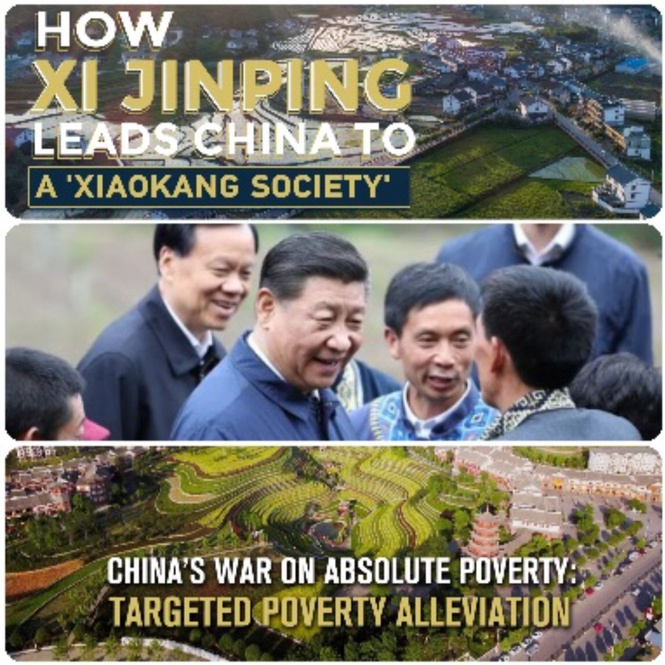
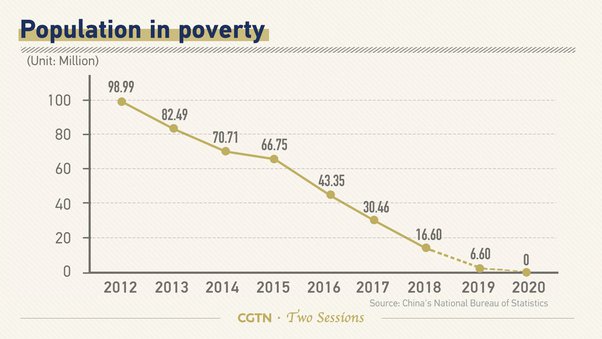
Over the past four decades, China has achieved a remarkable feat: lifting nearly 800 million people out of extreme poverty.
This achievement, measured by the World Bank's International Poverty Line of $1.90 per day, represents nearly three-quarters of the global reduction in extreme poverty.
A comprehensive study, “Four Decades of Poverty Reduction in China: Drivers, Insights for the World, and the Way Ahead,” conducted by China’s Ministry of Finance, the Development Research Center (DRC) of the State Council, and the World Bank, provides an in-depth look at the drivers behind China’s success and offers lessons for other developing nations.
China's poverty alleviation strategy was anchored on two main pillars:
• Broad-based economic transformation
• Targeted poverty alleviation
The broad-based economic transformation aimed to open up new economic opportunities and raise average incomes.
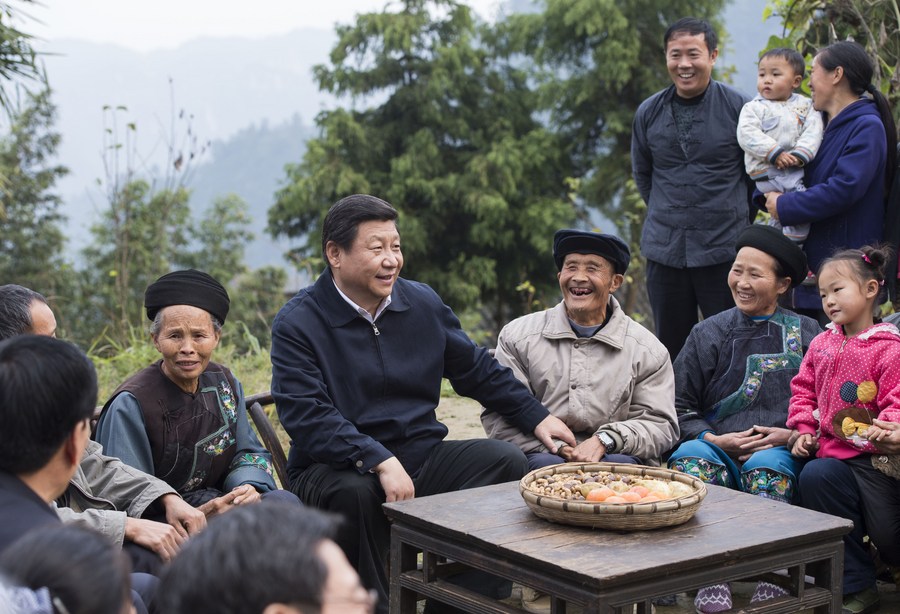
While, the targeted poverty alleviation support focused on alleviating persistent poverty, particularly in geographically disadvantaged areas and among individual households.
Economic Transformation
China’s economic transformation began with market-oriented reforms in the late 1970s, which unleashed rapid economic growth. The shift from a centrally planned economy to a more market-oriented one created a dynamic environment for private enterprise and foreign investment. This transformation was characterized by:
1. Agricultural Productivity:
Reforms in agriculture, including the household responsibility system, boosted agricultural productivity and rural incomes.
2. Industrialization:
Incremental industrialization provided employment opportunities and facilitated urbanization.
3. Urbanization and Migration:
Managed urbanization and rural-to-urban migration allowed surplus rural labor to be absorbed into more productive urban sectors.
4. Infrastructure Development:
Sustained public investments in infrastructure, such as roads, bridges, and communication networks, connected rural areas with markets and services.

Targeted Poverty Alleviation
Recognizing that broad economic growth alone was insufficient, China implemented targeted poverty alleviation measures. Initially, these efforts focused on regions disadvantaged by geography and lack of opportunities. Over time, the focus shifted to individual households, particularly after 2012, with the introduction of targeted poverty alleviation strategies.
Key elements included:
- Education and Training:
Investments in education helped enhance human capital, making individuals more employable and adaptable to changing economic conditions.
- Social Protection:
Expansion of social protection policies provided a safety net for the most vulnerable populations.
- Local Governance and Rural Revitalization:
Effective governance at local levels ensured coordinated efforts across multiple government agencies and the involvement of non-government stakeholders.
Rural revitalization strategies emphasized industry development, human capital, culture, ecological environment, and local governance.
Governance and Implementation
The success of China’s poverty reduction efforts can be largely attributed to effective governance. Coordinated actions by various government agencies and the engagement of non-government stakeholders facilitated the implementation of policies and programs. The government’s role in creating an enabling environment for economic growth and ensuring that the benefits of growth were widely shared was crucial.
Lessons for Other Countries
China’s experience offers several lessons for other developing nations:
1. Focus on Education:
Enhancing human capital through education is vital for sustainable poverty reduction.
2. Economic Openness:
An outward-oriented economic policy can drive growth and create opportunities.
3. Public Investments:
Sustained investments in infrastructure are essential for connecting rural areas to markets and services.
4. Structural Policies:
Policies that support competition and innovation can foster a dynamic economic environment.
Future Challenges and Policy Directions
As China continues to transition towards a consumption-driven and high-value service economy, it faces new challenges. The report highlights the need for:
- Closing Educational Gaps:
Addressing disparities in the quality of education between rural and urban areas.
- Improved Social Protection:
Enhancing social protection for migrant workers and better integrating existing social security policies.
- Labor Mobility and Skill Upgrading:
Supporting greater labor mobility and upgrading skills to match shifting labor demands in a low-carbon growth model.
This extensive study underscores China's significant contributions to global poverty reduction and provides a blueprint for other countries aiming to achieve similar success. The ongoing efforts to sustain and expand poverty alleviation gains, coupled with a focus on rural revitalization and high-quality development, aim to realize the vision of common prosperity.
China's poverty reduction story is one of persistent growth through economic transformation. As China adjusts to a new growth model, its social policies must evolve to ensure a just transition, as emphasized by Manuela V. Ferro, World Bank Vice President for East Asia and Pacific
By: Kpost
Main Information Source:
Kpost is a content creator under the Newswav Creator programme, where you get to express yourself, be a citizen journalist, and at the same time monetize your content & reach millions of users on Newswav. Log in to creator.newswav.com and become a Newswav Creator now!
The User Content (as defined on Newswav Terms of Use) above including the views expressed and media (pictures, videos, citations etc) were submitted & posted by the author. Newswav is solely an aggregation platform that hosts the User Content. If you have any questions about the content, copyright or other issues of the work, please contact Newswav.