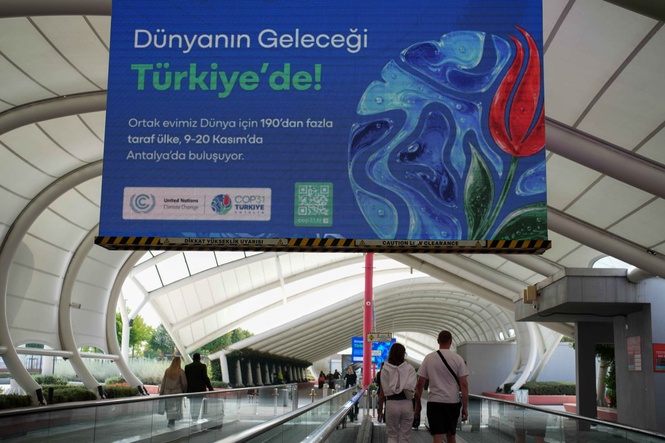
The United Nations’ annual climate talks open in Turkey on Monday as Cop31 – with experts suggesting we are already heading for a long-term breach of the crucial limit of global temperatures hitting 1.5C above pre-industrial levels.
As nearly 200 countries gather for the two-week summit in the Mediterranean resort city of Antalya, governments must deal with an energy crisis fuelled by the war in the Middle East and a growing list of disasters, including deadly floods in Nepal, heatwaves in Europe and wildfires in Indonesia.
These UN talks come at a time when global temperatures already stand at about 1.4C above pre-industrial levels, and 1.5C, the goal set under the 2015 Paris Agreement, is very likely to be breached. The UN Environment Programme’s latest report said last month that it is now about managing the overshoot, to then return below 1.5C.
Overshoot describes a period in which temperatures rise above 1.5C before any return below it. The UN report’s best remaining route holds peak warming to between 1.7C and 1.8C around 2050, with a 50 per cent chance of returning to 1.5C by 2100, and requires emissions to fall 18 per cent by 2030, 45 per cent by 2035 and 69 per cent by 2040, compared with 2025 levels. Current national climate plans would cut emissions by only 11 to 15 per cent by 2035, according to the report, and would lead to about 2.6C of warming by 2100 even if fully delivered.
An exceptionally strong El Nino forecast to peak later this year could also help make 2026 or 2027 the hottest year on record.
Campaigners and analysts heading to Antalya warn that the window to control a breach has closed unless countries arriving there put in real work to turn it around.
“The world is not short of climate promises, but we’ve run out of time to prevent a 1.5C overshoot,” says Jasper Inventor, head of Greenpeace’s Cop31 delegation. “An agreement at Cop31 that falls short of what science demands is not a breakthrough, no matter how many countries sign up to it.”
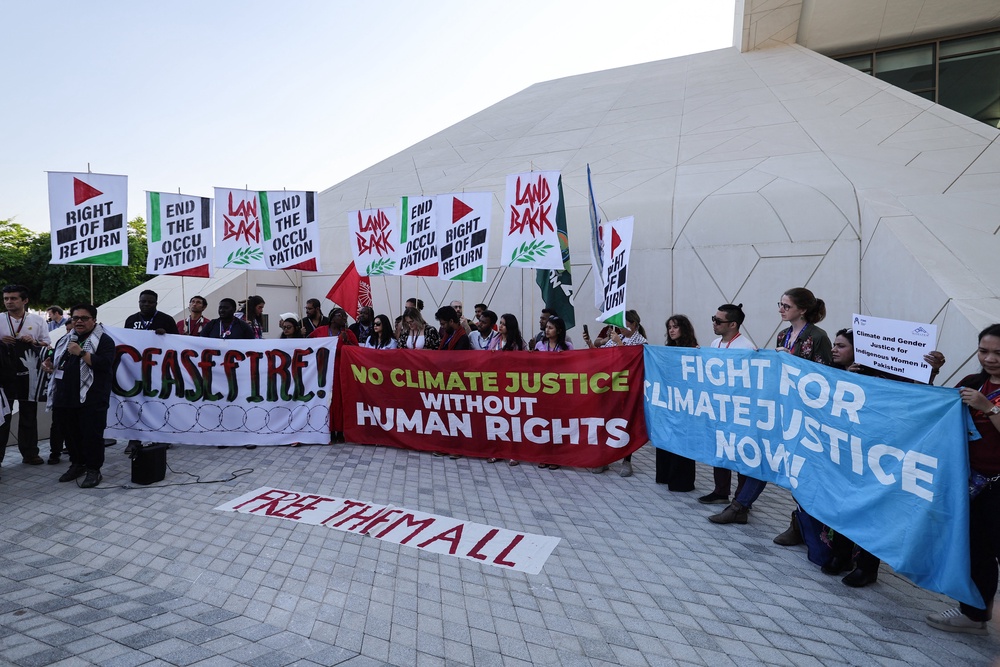
“The possible overshoot of 1.5C is a grave indictment of decades of climate inaction,” says Ilana Seid, ambassador and chair of the Alliance of Small Island States, which represents 39 small island and low-lying coastal countries. “We [island nations] contributed the least to this crisis, yet we are bearing its harshest consequences.”
Seid says an intensifying El Nino is bringing drought to island regions, leaving families in her home country of Palau struggling to find safe drinking water, and that millions across the Pacific face the risk of severe food and water shortages.
Harjeet Singh, founding director of the Satat Sampada Climate Foundation, says: “The reason we are seeing the breach of 1.5 degrees Celsius of warming is because we avoided the absolutely fundamental question of how climate change happened and what’s responsible, the source of the problem and that’s fossil fuels.”
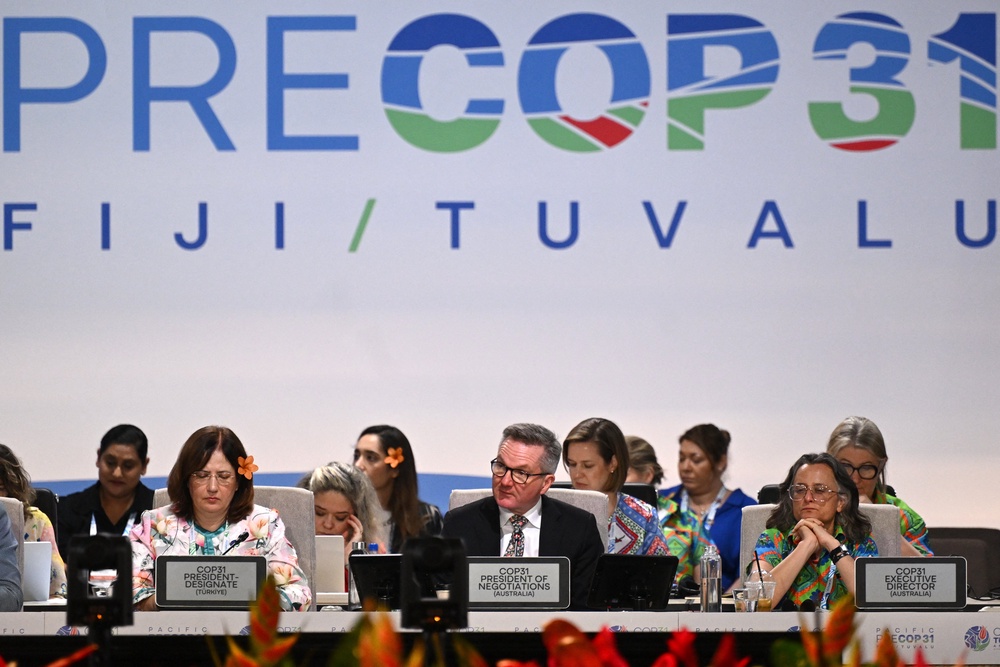
Australia, which is co-hosting the summit with Turkey and leading the negotiations between nations, has appointed three Pacific envoys to cover the 1.5C limit, the oceans and climate finance, but small island states say the damage is already underway.
“People everywhere are saying enough. Enough of wars, enough of watching their homes and livelihoods destroyed, enough of governments claiming there is no money to protect them,” says Tasneem Essop, executive director of Climate Action Network International, an alliance of campaign groups.
Essop says governments are “finding trillions for weapons and fossil fuel subsidies” and that “people are demanding something better for the sake of their very survival”.
Nepal, where a glacier collapse killed more than 1,500 people in August, is expected to press for faster and more accessible money from the UN loss and damage fund – which pays countries for climate disasters they cannot adapt to – and to highlight the needs of mountain regions. The country was the first ever to trigger the fund’s emergency mechanism this year, which led to an approval of $20m in aid, an amount that is less than one per cent of its losses.
The summit runs until 20 November, with major breakthroughs not anticipated and the United States, the largest historic emitter of greenhouse gases and carbon dioxide, not taking part.
Paul Watkinson, France’s former chief negotiator at climate summits, told AFP: “This is not going to be the Cop that changes the world.” Instead, he called it “an intermediate Cop in many ways” but one that “does need to make sure it makes progress”.
Ashley Lashley, a youth activist from Barbados, says: “The science has become more alarming, but yet politically we seem to be negotiating how much failure we are prepared to tolerate.”
Seid says any suggestion that the impending overshoot should justify abandoning ambition was “egregious”, and that “1.5C is not an ambition that can simply be discarded because the world has failed to act with the urgency required”.
African negotiators want a pledge made last year to triple adaptation finance, which pays for protection against the impacts of the climate crisis, added to the formal agenda.
This article has been produced as part of The Independent’s Rethinking Global Aid project
Read MoreUK extreme weather shows why Cop31 is vital, says minister
These states can expect a white Christmas, according to the Old Farmer’s Almanac
The ‘fragility penalty’ stopping nations getting the help they need has to end
Wildfire smoke killed an estimated 3,560 people in Indonesia
Dozens of pilot whales die in mass stranding on New Zealand coast
Delhi air pollution tracker: Why is winter haze so bad in India’s capital?