Ever wonder how much your friends are spending on groceries? Or what your fashion-forward neighbor pays every year for their wardrobe?
A new report, released earlier this month by the Bureau of Labor Statistics, shows how much the average American consumer spent last year in categories typically found in monthly budgets.
These include areas such as groceries, housing, clothes, healthcare, transportation and entertainment.
Overall, consumers spent an average of $81,905 in 2025, a monthly total of around $6,825, according to the Bureau, and expenses rose 4.3 percent between 2024 and 2025.
Five spending categories saw prices go up at least 10 percent from 2024 to 2025: entertainment (13.2 percent), miscellaneous vehicle expenses aside from gas (13.3 percent), meat/poultry/fish/eggs (11.7 percent), rent (10.8 percent) and miscellaneous costs (10.3 percent).
Supermarket sweep
Consumers spent an average of $6,491 on groceries in 2025, or $541 a month. That’s an individual number - a two-person household would spend twice as much, on average.
The Bureau of Labor Statistics has five subcategories in its grocery category - here are those five groups along with a consumer’s average monthly spend:
- Cereals and bakery products: $61.75
- Meats, poultry, fish and eggs: $131.58
- Milk, cheese and other dairy products: $53.67
- Fruits and vegetables: $82.33
- Other groceries: $211.58.
The bureau’s grocery category doesn’t include alcoholic beverages because it includes alcohol bought for home and alcohol bought at a restaurant, bar or similar location. The average monthly alcohol spend was $52.50 in 2025.
Home, sweet home
Consumers spent an average of $27,790 on housing in 2025, or $2,315.83 a month. The housing bucket includes five subcategories, which are listed below along with the average monthly spend for each one:
- Rent or mortgage: $1,468.83
- Utilities and public services like garbage collection: $410.92
- House cleaners, childcare, home maintenance, etc.: $169.50
- Housekeeping supplies: $70.33
- Furniture, dishes, decor, linens, curtains, etc.: $296.25.
Car costs
Vehicle costs and public transport are under one Bureau of Labor Statistics category: transportation. On average, consumers spend $8,469 a year and $705.75 a month on transportation. The category is broken down into three subcategories:
- Gasoline and other fuel: $208.58
- Engine fluids, parking fees, tolls, driver’s license, registration, etc.: $397.08
- Public and other transportation: $99.92.
Healthcare habits
Americans spend an average of $6,470.00 a year and $539.17 a month on healthcare, a category that includes expenses related to doctor visits, prescriptions and supplies and equipment:
- Health insurance: $359.17
- Doctor visits: $105.00
- Medication: $56.00
- Medical supplies and equipment: $19.
Fashion passion
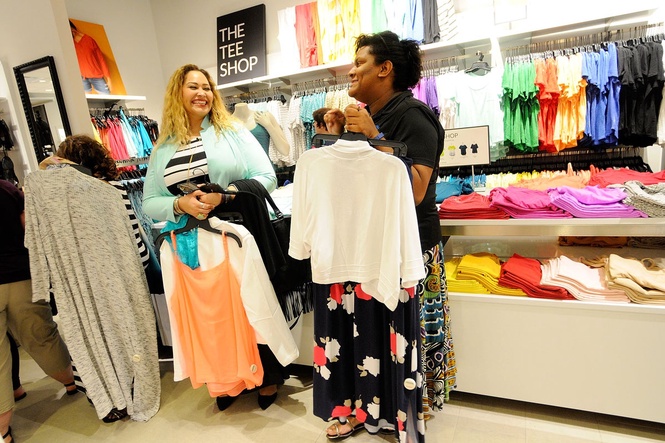
The typical consumer spends an average of $2,010 a year and $167.50 a month on clothing and shoes, watches, jewelry and related services such as dry cleaning, laundry and jewelry repair.
All the rest
The Bureau of Labor Statistics has eight standalone costs that aren’t included in other categories. Combined, these costs averaged $20,879 a year and $1,739.92 a month. Here’s how much consumers spend on these categories each month, on average:
- Tickets, TVs, speakers, pets and pet supplies, sports equipment, etc.: $340.33
- Personal care products and services: $82.17
- Books and magazines: $9.50
- Tuition, preschool, lessons, etc.: $131.92
- Tobacco products and supplies: $30.42
- Miscellaneous: $111.25
- Cash gifts, child support, alimony, political donations, etc.: $186.47
- Personal insurance and retirement contributions: $847.92.
This article is sponsored by Credit Karma. We may earn a commission if you engage with their services using links in this article.
Gas prices, tariffs, Iran war - Trump ignored voters’ real pain and paid the price
How much Americans have in savings - at every age
Online grocery sales rising as in-store figures decline
DoorDash to buy Instacart for $17bn creating a home delivery giant for everyday goods
Even McDonald's is hit by the brutal economic crunch bleeding US wallets
Here’s how past midterm flips in Congress have impacted taxpayers