Police investigating a former Conservative councillor who drugged and raped his wife before recruiting other men to sexually abuse her sought help from the French team behind the Gisèle Pelicot case, prosecutors have revealed.
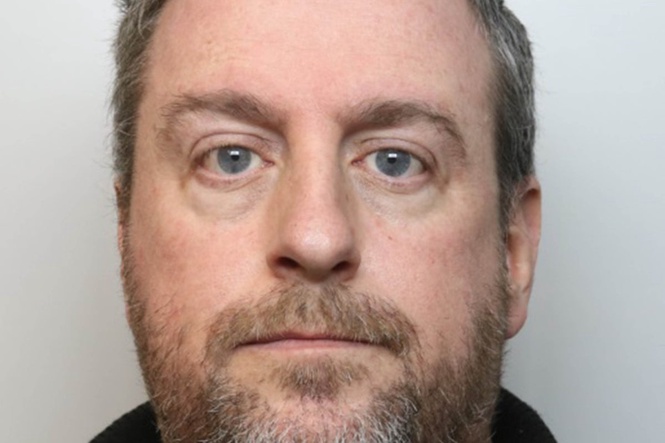
Philip Young, from Swindon, Wiltshire, was convicted in what the Crown Prosecution Service (CPS) described as the first case of its kind in the UK involving organised drug-facilitated sexual abuse orchestrated by a husband.
Detectives from Wiltshire Police held a Teams meeting with investigators in France who worked on the case of Dominique Pelicot, who drugged and raped his wife Gisèle and invited dozens of men to abuse her. Pelicot was jailed for 20 years in France in 2024.
The UK investigation also used the expertise of the same forensic scientist involved in the French case, who examined hair samples taken from Joanne Young in August 2024 to establish evidence of sedative drugs in her system.
James Foster, a specialist CPS prosecutor, said the trial represented a landmark prosecution in the UK.
“This is the first time in the UK that a jury have convicted or been asked to consider a case of organised drug-facilitated sexual abuse, which has been organised by the husband,” he said.
He stressed that each defendant was responsible for their own actions and that Philip Young could not consent on his wife's behalf.
“None of these defendants was entitled to simply assume that she was willing – consent is personal, it cannot be given by somebody else, it cannot simply be assumed,” Mr Foster said.
He added that videos considered by the jury showed the men had taken virtually no steps to establish whether Joanne Young was willing to engage in sexual activity.
How the Pelicot investigation helped UK police
Mr Foster said prosecutors had benefited from “valuable international learning” through their contact with the French investigators.
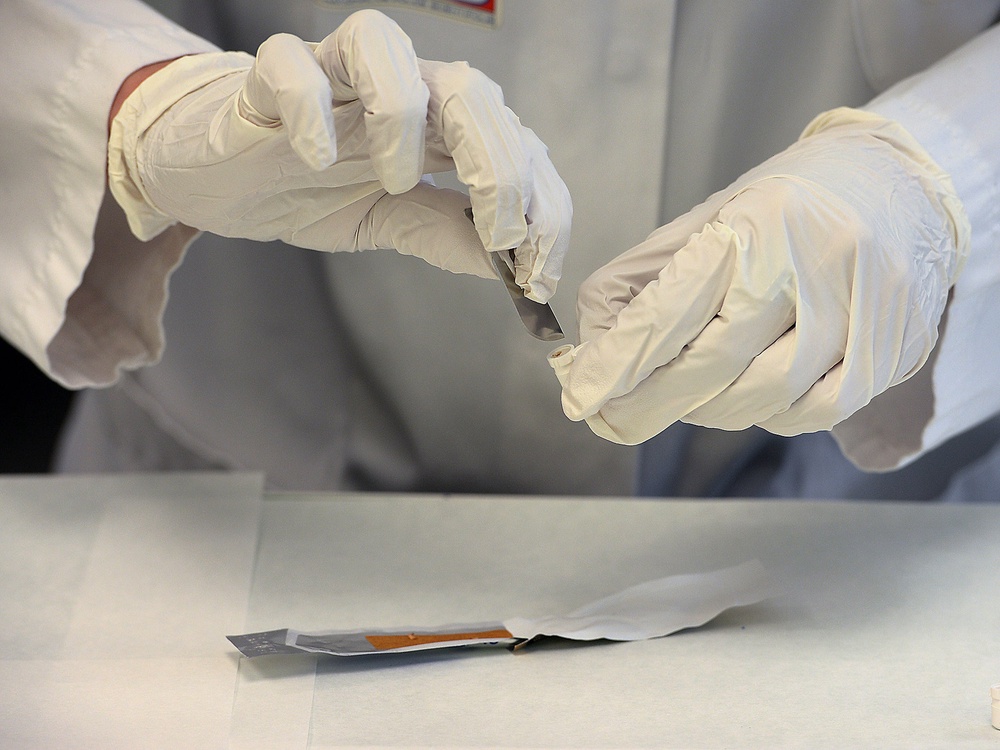
Dr Vincent Cirimele, scientific director of Laboratoire ChemTox in France, who worked on the Pelicot case, examined hair samples taken from Mrs Young. His analysis indicated exposure to two sedative drugs from late 2023 into 2024.
Mr Foster said the hair analysis was particularly significant because it offered a longer-term record of drug exposure, helping prosecutors build their case alongside other evidence.
Philip Young now accepts that his wife had been drugged throughout the offending, he said.
A Wiltshire Police spokesperson said the French team's experience had helped investigators consider additional lines of inquiry and provided further scientific insight into their evidence.
“Although the legal frameworks and criminal justice processes differ between the two jurisdictions, the opportunity to hear first-hand how the team identified and progressed their suspects was invaluable,” the spokesperson said.
The force also said discussions with the French investigators had helped reassure officers that safeguarding and victim-support arrangements for Mrs Young were consistent with the approach taken in France.

CPS warns over organised drug-facilitated sexual abuse
Siobhan Blake, the CPS's national lead for rape and serious sexual offences, said organised drug-facilitated sexual assault was among the most serious offending she had encountered.
She said such crimes frequently involved sedatives, often within intimate or long-term relationships, and the sharing of abuse online, with many victims unable to remember what happened.
“Our prosecutors are seeing an increasing number of these cases,” she said, adding that the CPS would continue working with police, the National Crime Agency and other partners to bring offenders to justice.
The CPS urged anyone who believes they may have experienced similar abuse, even if they are uncertain, to report it to police.
Rape Crisis offers support for those affected by rape and sexual abuse. You can call them on 0808 802 9999 in England and Wales, 0808 801 0302 in Scotland, and 0800 0246 991 in Northern Ireland, or visit their website at www.rapecrisis.org.uk. If you are in the US, you can call Rainn on 800-656-HOPE (4673).