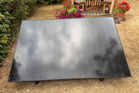
Today’s solar panels are built to last a long time, with most modern systems expected to keep producing electricity for up to three decades – and even after that, they don’t suddenly stop working when the warranty expires. Instead, they gradually, and somewhat predictably, produce less electricity as they age.
How long panels last depends on factors like build quality and specifications, how they are installed, and external factors like weather exposure. And, while 25 to 30 years is a solid guideline for the panels themselves, other components – particularly the inverter – may need replacing sooner.
If you’re considering solar, but concerned about their longevity, this guide explains the typical lifespan of solar panels in the UK. We also explain how quickly performance declines over time, and when it might make financial sense to replace them.
Read more: Best solar panels, compared
Get a quote for solar panels for your home
Use our comparison tool to get free quotes from leading solar panel installers.
How long do solar panels last?
Modern solar panels should last at least 25 years, and many will continue generating electricity well beyond this. However, their output tends to decline as they age, so an older solar panel system typically produces less electricity than when it was new.
Exactly how long any particular solar panel installation lasts depends on a number of factors, including the quality and specification of the panels, how well they were installed, and their exposure to weather.
When should you replace solar panels?
Old age alone isn’t a reason to replace existing solar panels, and they shouldn’t necessarily be removed and recycled just because they have reached the end of their expected 25- or 30-year lifespan. If they are still in good working order by then, and generating enough electricity for your needs, they can remain in use.
You should really only consider replacing them if their electricity output has fallen significantly, or if they are damaged or faulty.
But since 30 years is a long time, especially when it comes to this kind of technology, you might find replacing old panels with newer, more efficient ones greatly increases the amount of electricity produced by the same roof space.
Solar panel efficiency has risen dramatically since the technology’s inception, with several times more power generated from the same roof space by today’s panels compared to those from decades ago. If you do decide to replace panels, a solar panel installer can assess an older system and advise on whether repairs or a total replacement makes more sense.
Will the inverter need replacing before the solar panels?
Yes. Solar panel inverters typically have a shorter lifespan than the panels themselves, and are likely to need replacing first. The Energy Saving Trust, an independent energy advice organisation, advises that an inverter will usually need replacing after around 12 years – less than half that of the panels.
An essential part of any solar panel system, the inverter converts direct current (DC) electricity generated by the panels into the alternating current (AC) electricity used in your home.
Check your inverter warranty terms when you install it, as some can be extended for extra peace of mind. A solar panel installer will be able to advise whether a failing inverter can be replaced without changing the panels and the rest of the system.
Read more: Best solar panel installers, compared
What is solar panel degradation?
Solar panel degradation is the gradual decline in the amount of electricity a panel can generate as it ages. This is perfectly normal, as exposure to sunlight, temperature changes and other weather gradually affects the materials and components within a panel, reducing its ability to function and lowering its power output over time.
Since solar panels have been around for decades, manufacturers can estimate panels’ degradation rate with decent accuracy. According to research cited by the European Commission’s Joint Research Centre, solar panels typically lose around 0.5 per cent of their power each year.
Although this can vary slightly between panel manufacturers and models – some claim a loss closer to 0.3 per cent annually – this means a panel should still be producing around 90 per cent of its original output after 20 years.
What does a solar panel warranty cover?
Solar panels typically come with two types of warranty.
The first is known as a product warranty, which covers faults with the panel itself, such as material or manufacturing defects.
The second is a performance warranty – this guarantees how well the panel generates electricity through its life. In practice, this is a guarantee that the power output of the panel will not fall below a specified level over a set period of time. A bit like how electric car manufacturers guarantee the battery to charge to a certain amount, like 70 per cent, a number of years after it was produced.
Solar panel performance warranties commonly last for 25 to 30 years, but the length of product warranties can vary between manufacturers. Some companies provide product warranties of 10 to 15 years, while others offer double that. It’s worth checking the warranty coverage of the panels you want before placing an order.
How do I know if my solar panels have stopped working?
It’s a good idea to regularly keep an eye on your solar panel performance in the system’s smartphone app, and watch out for warning lights, error messages or similar alerts. You don’t want to ignore panel performance and only realise there’s a problem when your next electricity bill arrives – and in any case, variable electricity costs and seasonal weather changes will affect your power costs every month or quarter, so waiting for your bill isn’t the best approach.
It’s important to remember that solar panel performance varies with weather and the seasons. But a sudden or sustained drop in power generation can be a sign of a fault. If you think there’s a problem, contact your installer or the panel manufacturer for more assistance, rather than inspecting or repairing the panels yourself.
Also remember that a sudden drop in power generation might not be caused by damage to the panels themselves, since issues with the inverter, isolator, wiring or other system components can also stop electricity being produced.
What happens to solar panels after 30 years?
The short answer to this is, they do not suddenly stop working. If by then they’re still in good condition, they‘ll continue to generate electricity, albeit with a lower output than when they were new.
At this point, you can decide whether their output is still enough for your needs, or if they could be replaced for newer, more efficient panels. You could also consider keeping them and adding more panels, either to the same roof, another part of the roof, or elsewhere on your property if there’s a suitable location.
Can solar panels be recycled?
Yes, much of a solar panel can be recycled, including its glass, aluminium and copper. Some elements of the computer circuits, like semiconductors, can also be removed and recovered.
But importantly, solar panels should not be thrown away with general household waste, and should not be taken to your local recycling centre without prior research.
In the UK, solar panels are covered by the Waste Electrical and Electronic Equipment Regulations, and should therefore be disposed of through an appropriate collection and recycling scheme. If unsure about what to do with old panels, the installer or supplier or your system – or the panel manufacturer itself – should be able to advise on how they can be collected and recycled.
Should I insure my solar panels?
Solar panels are commonly covered by buildings insurance, as they are classified as permanent fixtures of your home. However, you should still tell your insurer before having panels installed, then check exactly what the policy covers.
Your buildings insurance policy will likely cover solar panels against risks like fire, theft, and damage by impact or extreme weather. But coverage against wear and tear or mechanical failure is not usually covered – for the latter you’ll need to consult the manufacturer or installer’s guarantee. Accidental damage might not be covered either, but that will depend on your specific policy.
As an example of how coverage works, Aviva’s policy includes “fixed clean energy installations such as solar panels and wind turbines”.
What can reduce a solar panel’s lifespan?
Poor installation, prolonged exposure to high temperatures and physical damage from severe weather can all shorten the life of solar panels and accelerate degradation. Panel quality also matters, and problems such as water ingress or damage to electrical connections can cause faults.
Read more: Solar panel grants, explained
Read MoreAre solar panels worth it in the UK? An expert guide on how they work for your home