Greeks never fail to be stunned by what visitors from the north will do in the sun.
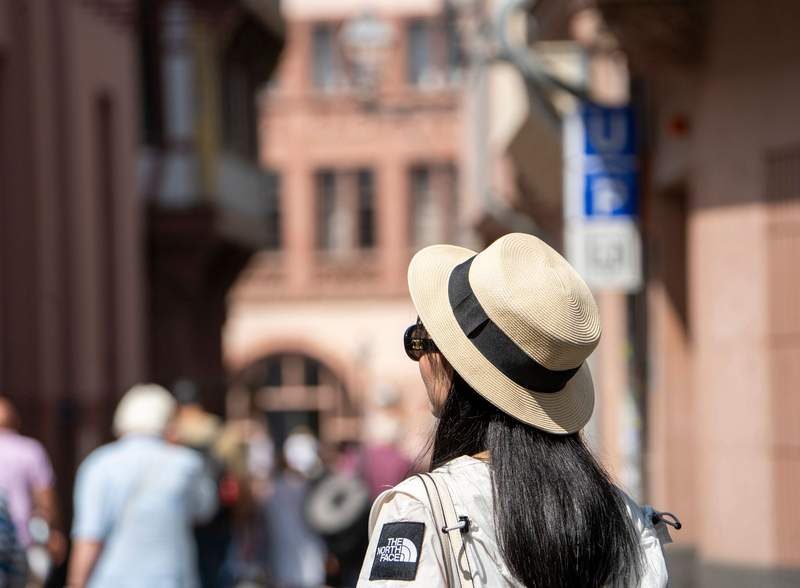
Tourists scurry about in the blazing sun without a hat. Some drink their first beer at 11 am or earlier. Others spend hours on the beach, leaving them burned raw and red.
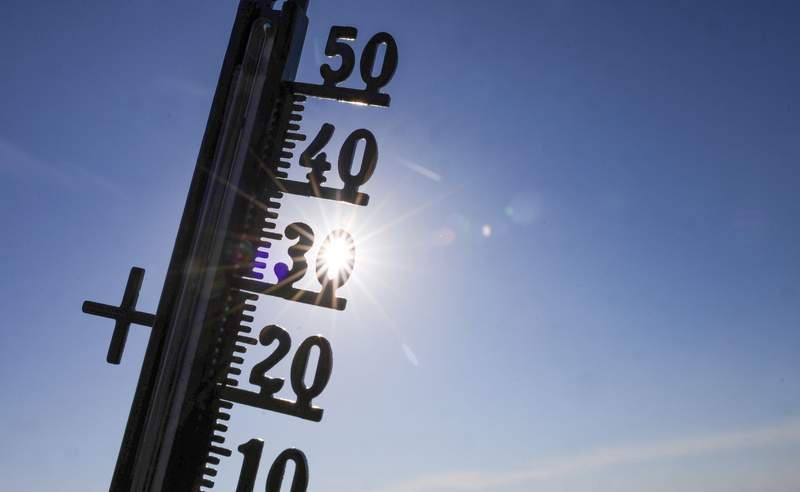
As heatwaves send temperatures soaring to new records in central and northern Europe, many are looking to the south for tips on how to survive the hot weather.
The dangers of heatstroke
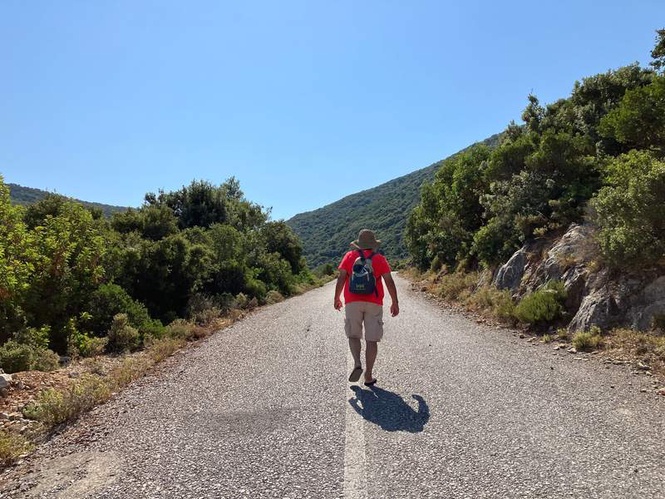
Several tourists have died of heatstroke in Greece in recent years. Many fail to realise the risks involved in taking a hike in the midday heat.
When it’s 37 degrees Celsius in the shade, temperatures in direct sunlight can easily rise to 60 degrees. Greek doctors warn that you can become dehydrated very quickly. The risk of heatstroke is high, particularly for older people.
When you get heatstroke you may feel confused and disorientated. Such symptoms have repeatedly led to fatal accidents, particularly in remote hiking areas where people lost their way, were unable to call for help by phone and could not be found quickly enough.
Greeks would never dream of going for a hike or a stroll during the hot midday hours. In the middle of the day, many lie down in darkened rooms to rest – ideally after having cooled the room down properly with the air conditioning. People keep their shutters closed round the clock during heatwaves.
Emergencies in Iberia
Tourists from northern Europe who come to Spain and Portugal frequently underestimate the power of extreme heat of around 40 degrees and the much more intense sunlight.
However, these can swiftly become life-threatening, especially for children and the elderly.
In Mallorca, a popular island for holidaymakers, paramedics are repeatedly called out to treat people suffering from heat-related illness.
Some head out on hikes during the hottest part of the year, without water and wearing flip-flops rather than shoes. If they then lose their way, they may be in danger.
Others from colder countries get sunburned by the second day of their trip, unused to the weather and failing to use enough sun cream or one with a sufficient sun protection factor.
Locals head to the beach in the morning and head back home again at around 10 am, or only go in the evening after 6 pm, avoiding the hottest hours in between.
While holidaymakers loll on beaches, Spaniards and Portuguese people take a siesta if they can. Many shops shut for this period of the day.
But tourists tend to organize their days much as they would in their cooler home countries, even biking or jogging during the warmest hours.
The advice of locals is to stick to light meals during the day and avoid any tourist snack bars tempting visitors with "home-cooked food" such as fish and chips or schnitzel. Locals don't eat their main meal until around 9 pm.
Hydrating is key
In Italy, people relax on many small, well-established everyday habits, starting with staying hydrated.
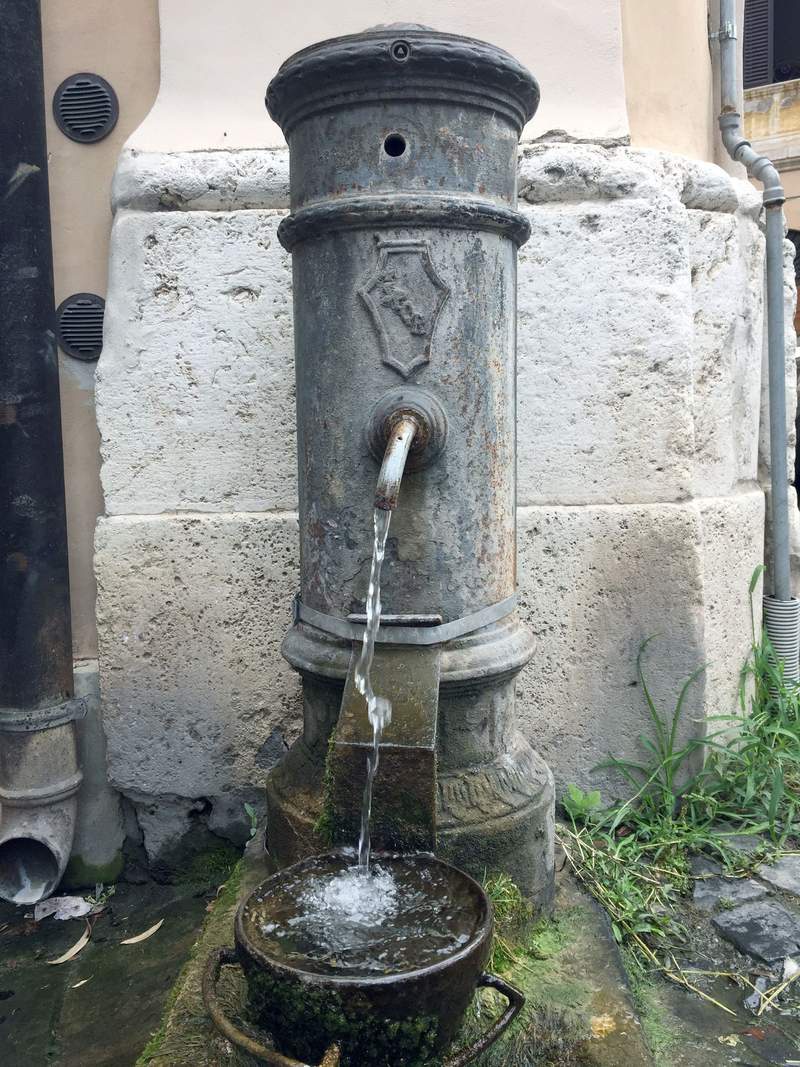
Temperatures are often about 35 degrees in the warmest time of year, people rely on many public drinking fountains in cities. Romans head to "nasoni," fountains with drinking water where you can fetch water and briefly cool your hands or wrists. They routinely make a quick stop, have a few sips, then head on.
People also instinctively head for the shade, picking their routes deliberately to avoid standing in blazing sun.
Generally, Italians plan their daily routines carefully, avoiding errands during the hot midday hours and resting instead. Most villages or towns only come back to life when the temperatures drop in the evening.
Seek refreshment
French people make it a rule to dampen their skin when it is hot outside. Spray bottles are widely available in chemists and even health insurers recommend moistening at least your face and forearms several times a day.
As soon as you leave the house, you should carry a small water spray bottle with you alongside your water bottle, if possible. Such small bottles are a common sight both on the street and indoors.
The French spray their faces a few times, plus cool down the nape of the neck or arms and legs. Many are also happy to spray a little to the left and right, sharing some freshness with others.