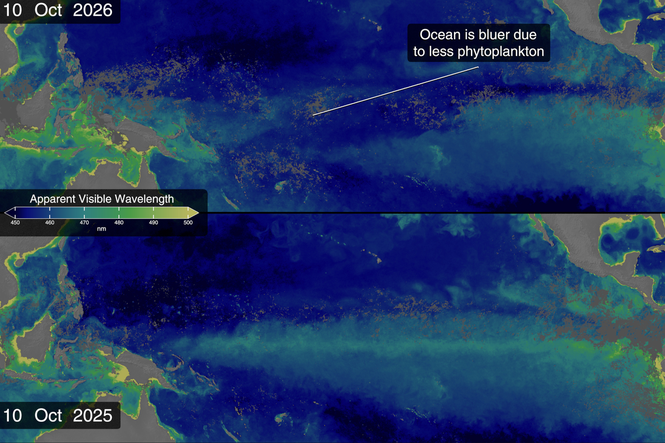
Earth’s oceans are undergoing a dramatic visual shift, as satellite data reveals that a powerful "Super El Niño" weather pattern is turning green ocean waters a starker, deeper blue.
The visual transformation comes down to phytoplankton – tiny, floating microscopic marine plants that live near the surface of the sea.
Just like trees and plants on land, phytoplankton contain chlorophyll, the green pigment used to turn sunlight into energy. Because of this green pigment, areas packed with floating marine life reflect green light back into space, giving healthy ocean waters a distinct green tint.
When these plant populations die off, the green pigment disappears, leaving the water looking far clearer and much more blue.
Under normal conditions, strong trade winds push warm surface water westward across the Pacific toward Asia. This movement allows cold, nutrient-rich water from the deep ocean to rise to the surface along the equator and the South American coast – a process known as upwelling.
These deep-sea nutrients act as a natural fertiliser, sparking massive blooms of microscopic plants that feed everything from small fish to massive whales.
During a Super El Niño, however, those trade winds weaken or reverse direction. Warm water sloshes back across the Pacific, creating a heavy blanket that traps the nutrient-rich cold water deep below.
According to The National Oceanic and Atmospheric Administration (NOAA), there is an 83 per cent chance that the strongest El Niño event since 1950 is currently unfolding.
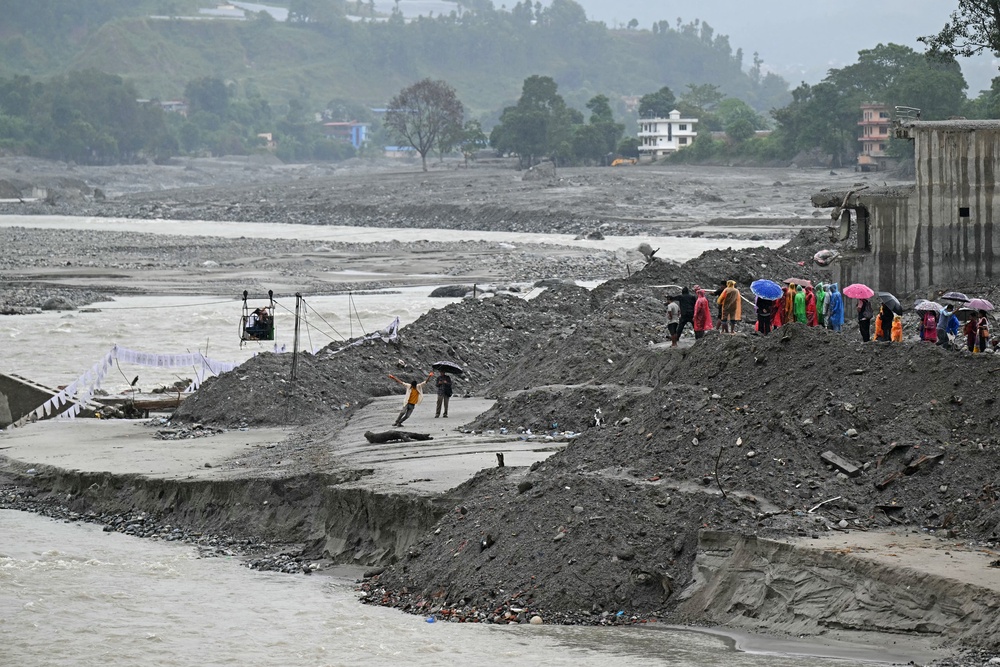
Satellite imagery from early 2026 showed massive underwater warm pulses – known as Kelvin waves – sloshing east across the Pacific, elevating sea levels near South America by up to 1.3 feet and warming surface temperatures roughly 1.7C above normal.
“Kelvin waves are like the heartbeat of El Niño,” said Josh Willis, project scientist for sea level missions at NASA's Jet Propulsion Laboratory. “And our sea level satellites let us peer into the ocean and watch every beat.”
The current climate event marks the first El Niño tracked by NASA’s advanced PACE satellite, which was launched in 2024 to monitor ocean colour in real time.
“Some people think of water as being just blue, but it's amazing the multitude of colours the ocean can be,” explained Matthew Kehrli, a lead research scientist on the PACE team at NASA's Goddard Space Flight Center.
Cut off from their vital food supply, phytoplankton populations have dropped sharply across the equatorial Pacific, causing normal green hues to vanish as a bluer shade fills in.
“You have expectations of what you would think would happen,” Kehrli added regarding the satellite's real-time ocean colour maps. “But to visually see the results with the data products that you're working with in real time is gratifying.”
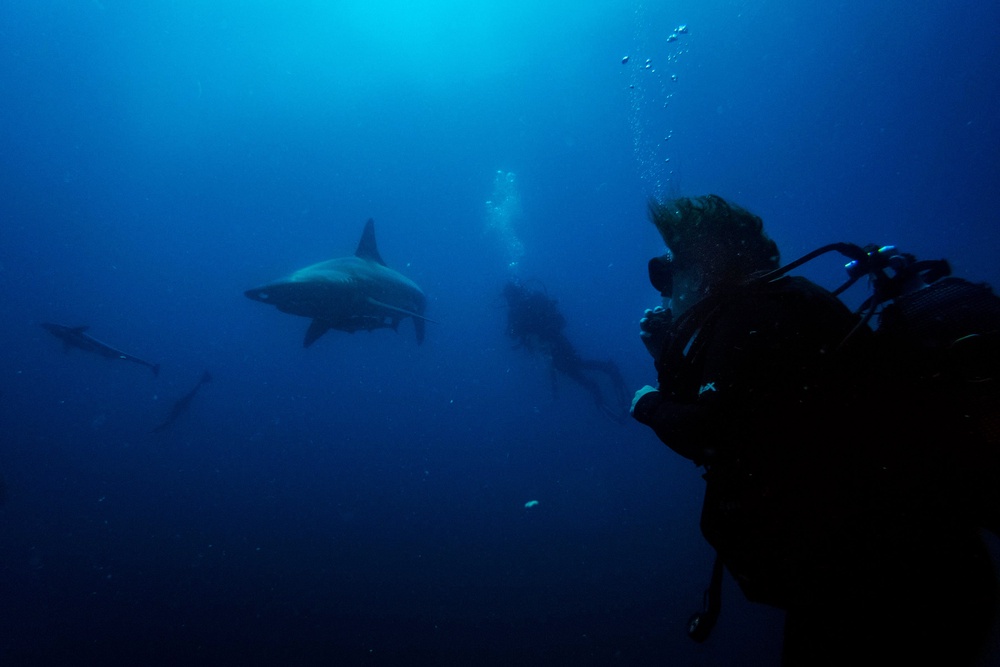
But while a deep blue ocean might look clear and picturesque, scientists warn that this shift signals a serious problem facing marine life.
Phytoplankton form the very bottom of the ocean food chain. When they disappear, the shortage ripples upward, forcing marine life to relocate and threatening global fisheries.
At the same time, these microscopic plants play a crucial role in absorbing carbon dioxide from the air. Fewer plants in the water mean the ocean absorbs less carbon, leaving more greenhouse gases trapped in Earth's atmosphere.
As NASA continues monitoring the phenomenon from orbit, Willis noted the far-reaching consequences of the ocean's changing colours: “El Niño touches almost all of us in some way every time it occurs. While many have seen what it can do, we look to the ocean to understand why.”