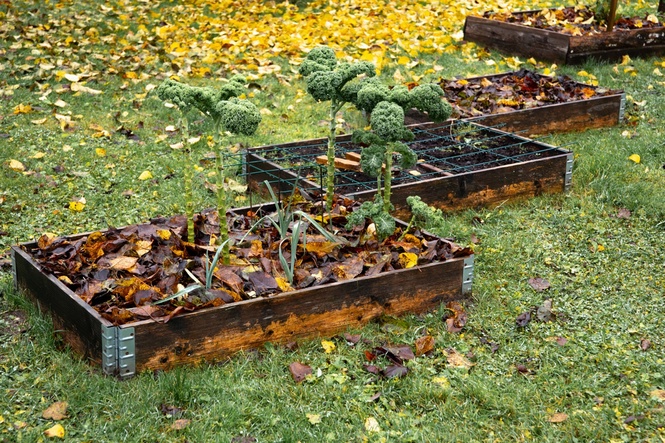
By October, it is tempting to look at a fading garden and declare weed season officially over. Unfortunately, chickweed, henbit, dandelions, bindweed, and other winter annual or perennial weeds may have very different plans, and ignoring them now can mean considerably more work next spring. The University of Illinois notes that fall is an especially useful time to manage weeds because perennial species are moving sugars and nutrients into their roots and underground storage structures as they prepare for winter. That makes fall garden weed control less about creating a perfectly spotless bed and more about preventing today’s small problems from becoming next year’s established ones. A few strategic jobs now—pulling mature weeds, protecting bare soil, and dealing with aggressive perennials—can dramatically reduce the amount of spring cleanup waiting for you.
Pull Weeds Before They Drop More Seeds
The weed that’s already six inches tall matters, but the hundreds of potential weeds inside its seed heads may matter even more. Penn State recommends doing a final fall weeding before unwanted plants go to seed and create a new generation for the following year. Pay particular attention to weeds that are flowering, forming seed heads, or hiding beneath vegetables and perennials where they escaped notice during summer. Pulling after rain or watering can make removing taproots and established plants easier because the soil is softer, but try to remove as much of the root system as practical. Effective fall garden weed control begins by stopping weeds from adding another batch of seeds to the soil.
Don’t Disturb More Soil Than Necessary
Aggressively turning an entire garden bed can sometimes create the opposite of the weed control you intended. Weed seeds can remain buried in garden soil, and unnecessary cultivation may move some closer to the surface where conditions favor germination. University of Minnesota recommends lightly scraping out young weed seedlings rather than cultivating deeply enough to damage desirable plant roots. When you’re clearing a vegetable bed, remove weeds and unwanted crop debris without automatically assuming every square foot needs deep tilling. Less soil disturbance can mean fewer opportunities to bring another layer of the garden’s weed-seed bank into favorable growing conditions.
Put 2 to 4 Inches of Mulch Over Bare Soil
One of the simplest fall garden weed control strategies is also one of the least expensive: don’t leave good garden soil naked all winter. The University of Minnesota recommends applying approximately 2 to 4 inches of mulch and explains that mulch suppresses weeds primarily by limiting sunlight at the soil surface. Shredded leaves, wood chips, bark, straw, and other materials can work depending on whether you’re covering vegetable beds, pathways, shrubs, or perennial plantings. Organic mulch can provide additional benefits as it decomposes, including adding organic matter, moderating soil temperatures, and reducing moisture loss. Remove established weeds first rather than simply burying a mature weed patch and hoping mulch solves everything underneath it.
Be Careful What You Use as Mulch
Free mulch isn’t much of a bargain if it introduces thousands of weed seeds into a previously manageable garden. Straw can work well in vegetable gardens, but University of Minnesota specifically recommends making sure it is weed-free before spreading it around plants. Grass clippings can also be useful, but apply them in relatively thin layers because thick, wet piles may mat together and restrict airflow. Be cautious about clippings collected from lawns recently treated with herbicides, particularly when you’re planning to use the material around vegetables or other sensitive plants. Good fall garden weed control shouldn’t accidentally become next year’s weed-distribution system.
Don’t Ignore Perennial Weeds in Fall
Dandelions, bindweed, creeping Charlie, thistles, and other persistent weeds deserve more attention than tiny annual seedlings because their underground structures can survive winter and restart growth. The University of Illinois explains that perennial weeds move sugars and nutrients from their leaves into roots, rhizomes, bulbs, and other storage structures as temperatures cool. Digging may work for some weeds when you can remove enough of the root system, while repeated removal may be necessary for plants capable of regenerating from underground pieces. Gardeners choosing an herbicide should identify the weed first, make sure the product is labeled for the intended location, and follow all label directions rather than spraying indiscriminately around desirable plants. If using a systemic product in fall, timing matters because weeds should still be green and actively growing rather than damaged by a hard frost.
Plant a Cover Crop in Empty Vegetable Beds
A vegetable bed doesn’t have to sit completely empty between the final tomato harvest and next spring’s planting. Penn State describes cover crops as living mulch that can protect soil from erosion and compaction while also helping suppress weeds and retain nutrients. Options vary considerably by climate and planting date, so rye, oats, clover, or another crop may be appropriate depending on your location and what you plan to grow next year. The important detail is planning ahead because some cover crops winter-kill while others survive and must be terminated before spring vegetables are planted. Used correctly, a cover crop occupies space that weeds would otherwise happily claim for themselves.
Watch the Edges of Your Beds
Sometimes the weeds taking over a carefully mulched garden didn’t start inside it at all. University of Minnesota notes that weeds can invade from adjacent lawns, fields, and wooded areas, with creeping species sending shoots or underground stems into cultivated soil. Inspect the edges of raised beds, fences, pathways, and perennial borders for grasses, vines, and spreading weeds attempting to move inward. This is particularly important with perennial species because underground structures can continue expanding even when the visible garden surface looks relatively clean. Including the perimeter in your fall garden weed control routine can prevent you from spending next spring fighting weeds that quietly entered from next door.
A Little Fall Weeding Can Save Hours in Spring
You don’t need to strip every garden bed bare or wage war against every green plant before winter arrives. Instead, remove weeds before they seed, tackle persistent perennial weeds while they’re still actively growing, cover exposed soil, and consider a cover crop where vegetable beds would otherwise remain empty. A 2- to 4-inch mulch layer can provide weed suppression while also protecting soil and moderating temperature, giving you benefits beyond simply making the beds look tidy. Most importantly, fall garden weed control interrupts weeds before they get months of unattended time to establish themselves and greet you when gardening season returns.
Do you clean weeds from your garden beds in fall, or do you usually leave the job waiting until spring?
What to Read Next
6 End-of-Summer Weeds You May Want to Identify Before Pulling
That “Weed” in Your Yard Could Leave You With Painful Blisters
Make the Switch to Microclover Lawns: Clover Mixes Feed Themselves, Suppress Weeds and Stay Green
The post How to Prevent Weeds From Taking Over Fall Garden Beds appeared first on Frugal Gardening.