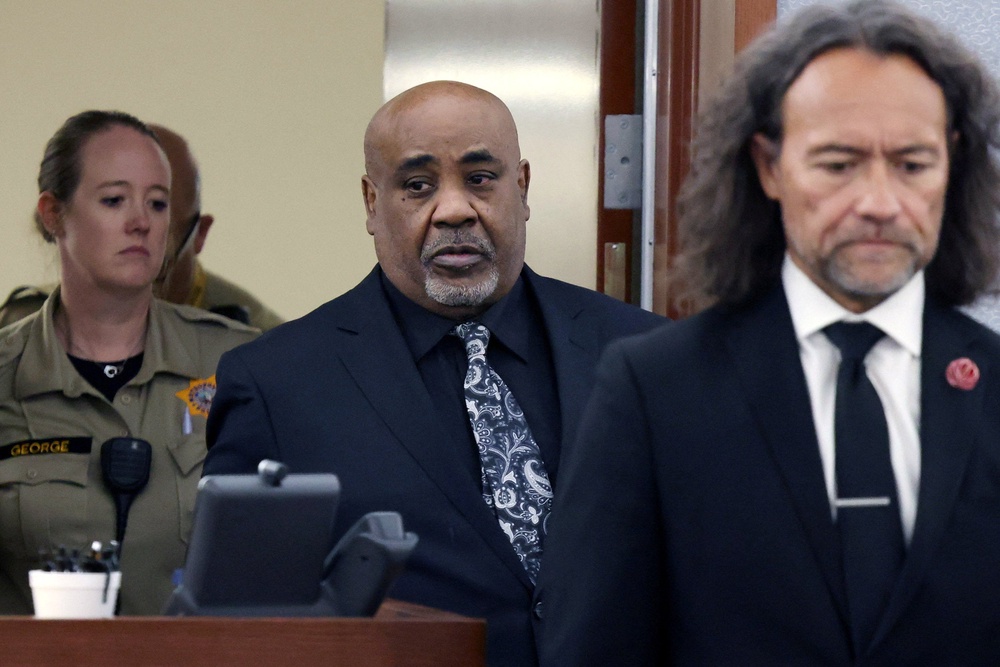
A Las Vegas jury has found Duane “Keffe D” Davis guilty of orchestrating the 1996 killing of rap icon Tupac Shakur, delivering the first conviction in a case that has gripped hip-hop for nearly three decades.
Davis, 63, was convicted Monday of murder with a deadly weapon after jurors deliberated for less than three hours following a weekslong trial. He could be sentenced to life in prison.
The verdict brings a dramatic measure of legal resolution to one of music's most enduring mysteries, a case shaped by reluctant witnesses, dead suspects and the bitter East Coast-West Coast rivalry that consumed hip-hop during the 1990s.
Prosecutors argued Davis was the ringleader behind the attack on Shakur in Las Vegas in September 1996, even though they did not accuse him of personally firing the fatal shots.
Under Nevada law, someone who helps orchestrate a killing can be held criminally responsible for murder even if another person carries it out.
The roots of the case stretch back years before Shakur's death and into the volatile feud that divided some of rap's biggest names.
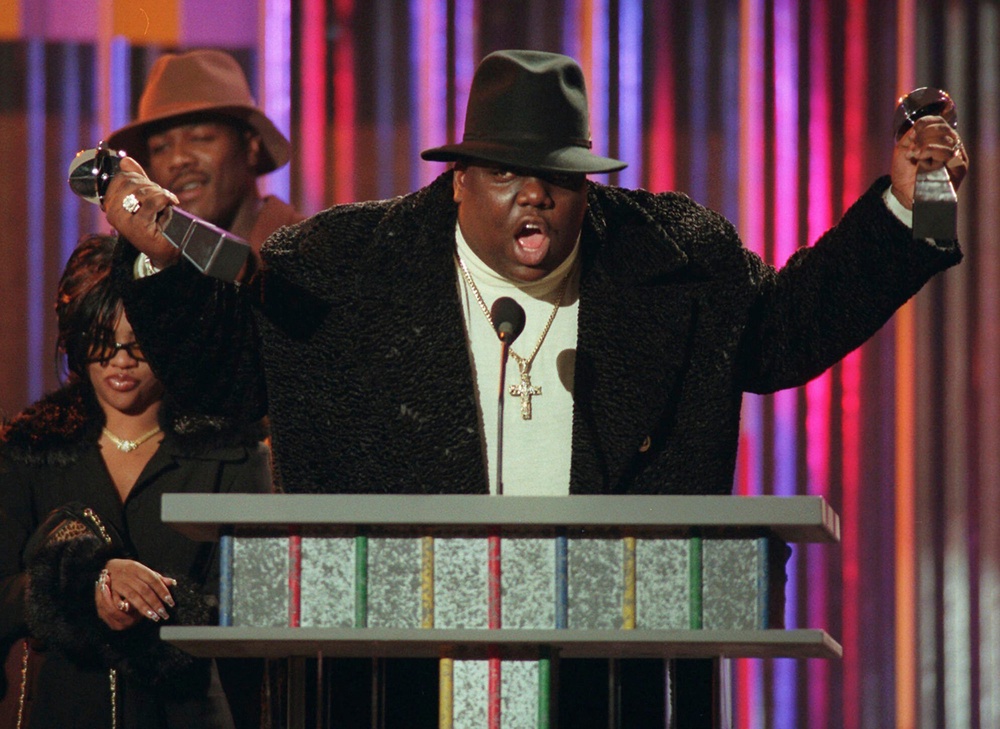
Before becoming symbols of opposing sides of the East Coast-West Coast divide, Shakur and Christopher Wallace — better known as the Notorious B.I.G. or Biggie Smalls — were friends.
They performed together and spent time together as their careers took off.
“It was an intense, personal and beautiful friendship,” Justin Tinsley, author of the Wallace biography “It Was All a Dream,” previously told The Associated Press.
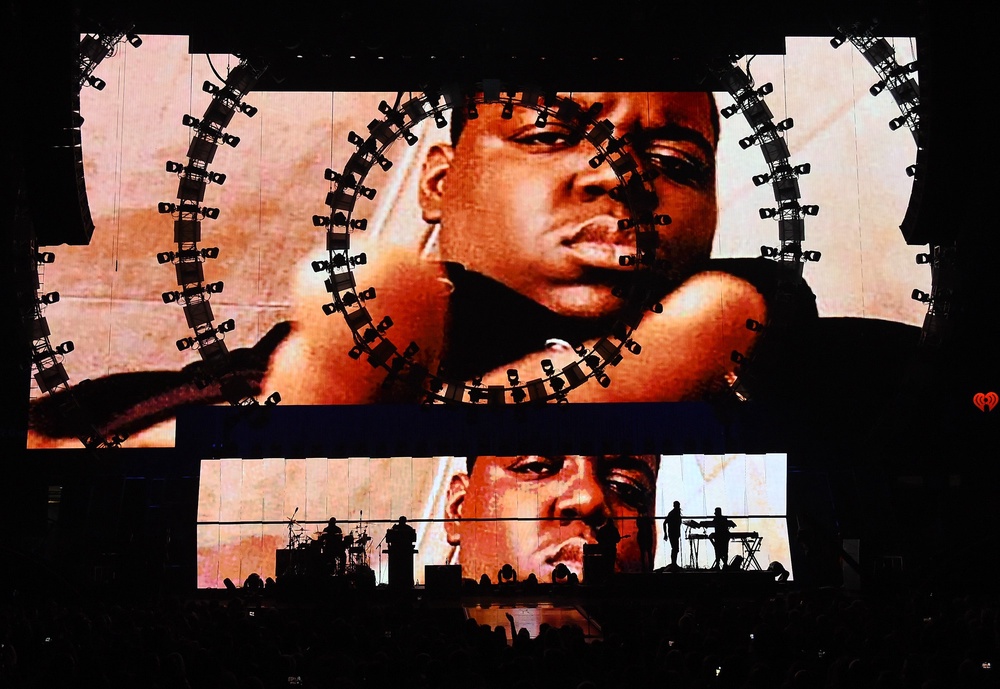
Everything changed after Shakur was wounded and robbed at a New York recording studio in 1994.
Shakur learned Wallace and Sean “Diddy” Combs were at a nearby recording studio that night and later publicly accused them of knowing about the attack in advance. Both vehemently denied the allegation.
The episode shattered Shakur and Wallace's friendship and helped fuel a rivalry that would soon engulf the rap industry.

While Shakur was later serving a prison sentence on an unrelated case, Wallace released “Who Shot Ya?”
Shakur interpreted the song as a taunt about the New York attack. Wallace maintained it had been recorded earlier and was not aimed at Shakur.
After leaving prison, Shakur signed with Los Angeles-based Death Row Records and increasingly became identified with West Coast rap.

Wallace and Combs, meanwhile, were among the biggest names associated with New York-based Bad Boy Records.
The rivalry became increasingly public.
Death Row co-founder Marion “Suge” Knight took a swipe at Combs during the 1995 Source Awards in New York. Shakur later released a notorious diss track attacking Wallace and Bad Boy Records.
Malcolm Greenidge, a rapper known as E.D.I. Mean and a longtime friend of Shakur, described the growing divide as “rap beef” during grand jury testimony.
But another dangerous rivalry was developing away from the recording studios.
Former Compton homicide detective Robert Ladd testified that Davis was a major figure in the South Side Compton Crips and had risen from dealing drugs on the street to becoming one of the city's biggest narcotics dealers.

Tensions between the South Side Crips and Mob Piru, a Bloods gang associated with figures around Death Row Records, had already erupted into violence.
Ladd described one particularly intense period of retaliation as the “Ten Day War.”
“It blew up,” former Davis associate Denvonta Lee testified. “It was definitely a war.”
Those rivalries collided in Las Vegas on Sept. 7, 1996.
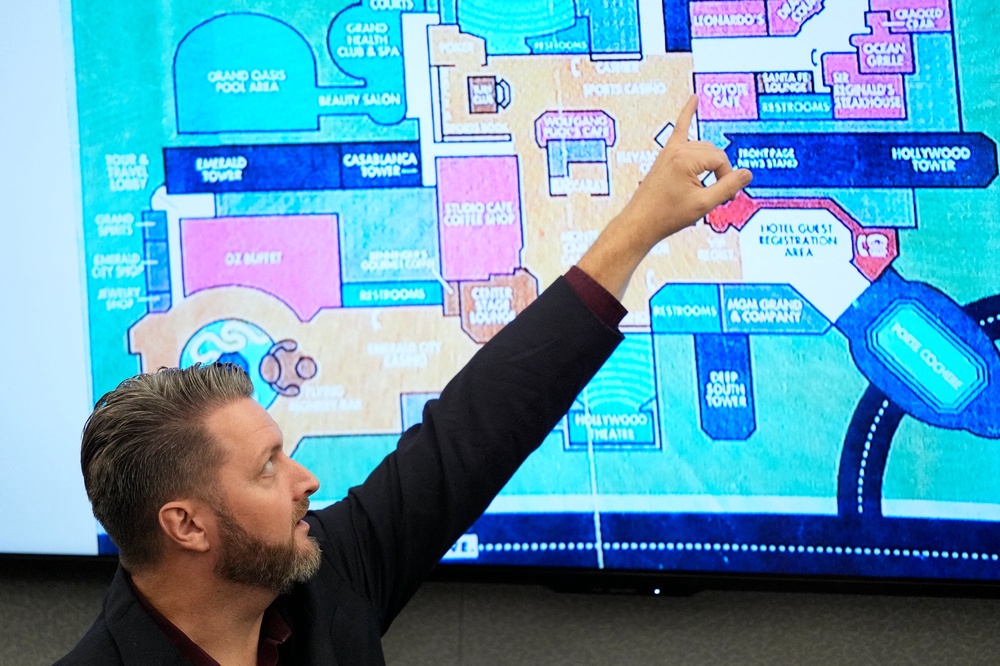
Shakur, Knight and their associates were at the MGM Grand for Mike Tyson's heavyweight fight against Bruce Seldon.
After the bout, Shakur and members of his entourage encountered Davis' nephew, Orlando Anderson, inside the casino.
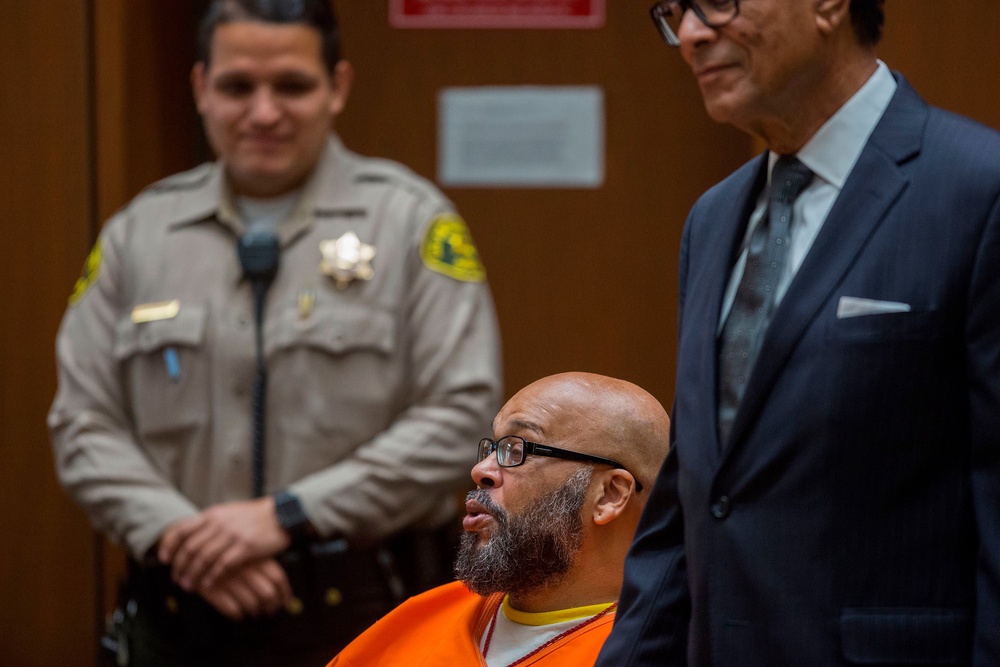
Anderson had previously been linked to an attempt to steal a Death Row Records necklace from one of Knight's associates.
Shakur and others confronted Anderson, and a fight broke out inside the MGM Grand.
Prosecutors argued that the confrontation provided the immediate motive for what happened later that night.

Shakur and Knight subsequently left the casino and headed toward a nightclub as part of a convoy traveling through Las Vegas.
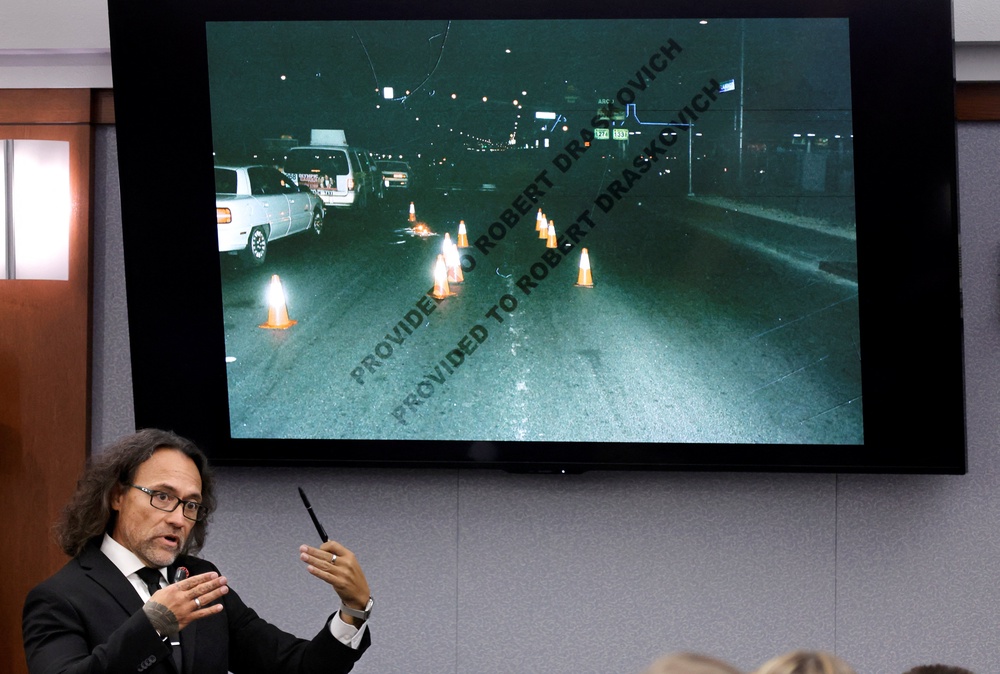
Authorities said a white Cadillac carrying Davis and several other men later pulled alongside Knight's BMW and someone inside opened fire.
Shakur was critically wounded. He died six days later at age 25.
The killing instantly became one of the most notorious unsolved cases in American music history.
Investigators long focused on the men inside the Cadillac, but no one was charged for decades.
Davis ultimately became the only surviving person among the men authorities connected to the vehicle.
Over the years, he publicly discussed the events surrounding Shakur's death and acknowledged being in the Cadillac.
Those statements eventually became a crucial part of the prosecution's case against him.
Prosecutors alleged Davis helped organize the retaliation against Shakur and provided the weapon used in the attack.

Former Davis associate Lee also testified about what he had been told by one of the men in the Cadillac, describing Davis as the leader whose associates followed his instructions.
“If Keffe D told you to do something, would you do it?” a prosecutor asked Lee.
“At that time, yes,” he replied.
Davis' defense argued his years of statements about the case amounted to exaggeration and bravado rather than reliable evidence that he was responsible for Shakur's death.
That argument gained attention during the trial when former Las Vegas homicide detective Dan Long acknowledged he had been unable to independently corroborate parts of the story Davis gave investigators in 2009.
“I wasn't able to verify any of that,” Long testified.
Davis did not testify in his own defense.
Ultimately, jurors sided with prosecutors, reaching their guilty verdict after less than three hours of deliberations.
Shakur's death sent shockwaves through hip-hop, including among the people who had once been his rivals.
Tinsley said Wallace was deeply affected by the killing and had hoped the former friends might eventually reconcile.
Six months later, on March 9, 1997, Wallace was killed after leaving a music industry event in Los Angeles. He was 24.
Wallace's killing remains unsolved.
The deaths of Tupac and Biggie became forever intertwined with the East Coast-West Coast rivalry and helped define one of the darkest periods in hip-hop history.
For nearly 30 years, however, no one had been convicted of Shakur's killing.
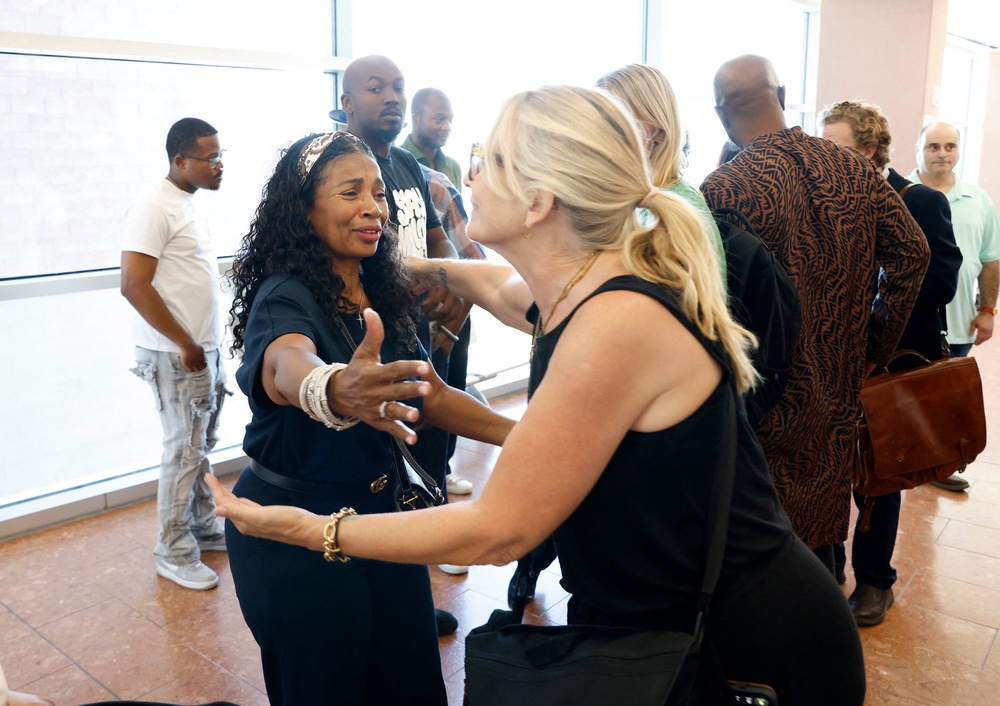
That changed Monday when a Las Vegas jury found Davis guilty, finally holding someone criminally responsible in a case that had remained unresolved for a generation.