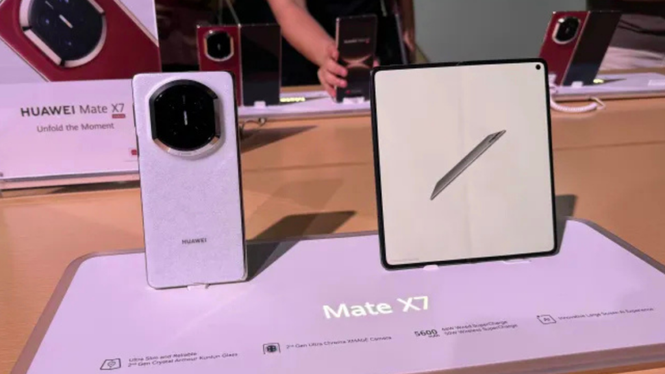
The research firm Omdia has published its latest report on foldable smartphones and things are looking on the up, at least for your book-type foldables. A big part of this is due to the emergence of the new wide-format foldable.
Pioneered by Huawei with the Pura X Max in China and then brought to the global stage when Samsung revealed the Galaxy Z Fold 8, Omdia analyst Zaker Li points to this new form factor as the key reason why the foldable smartphone market is seeing a fresh wave of growth, despite the smartphone scene being quite bad in general this year due to supply chain constraints and market uncertainty.
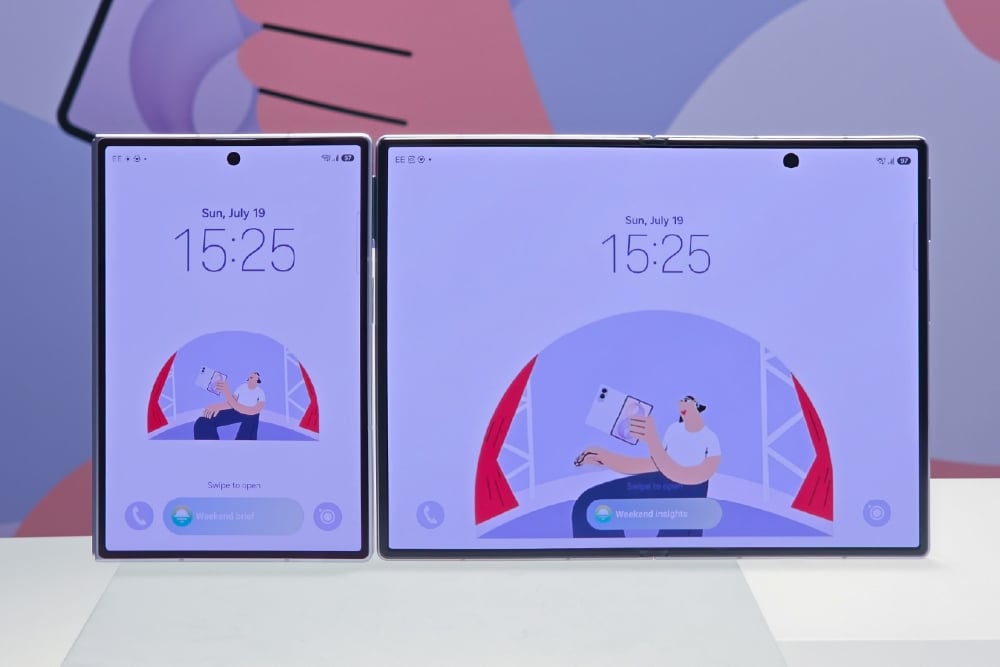
Indeed, with other companies such as Apple expected to launch their own takes of the wide-body foldable soon, Omdia thinks this form factor will become an important trend for the next generation of foldable devices.
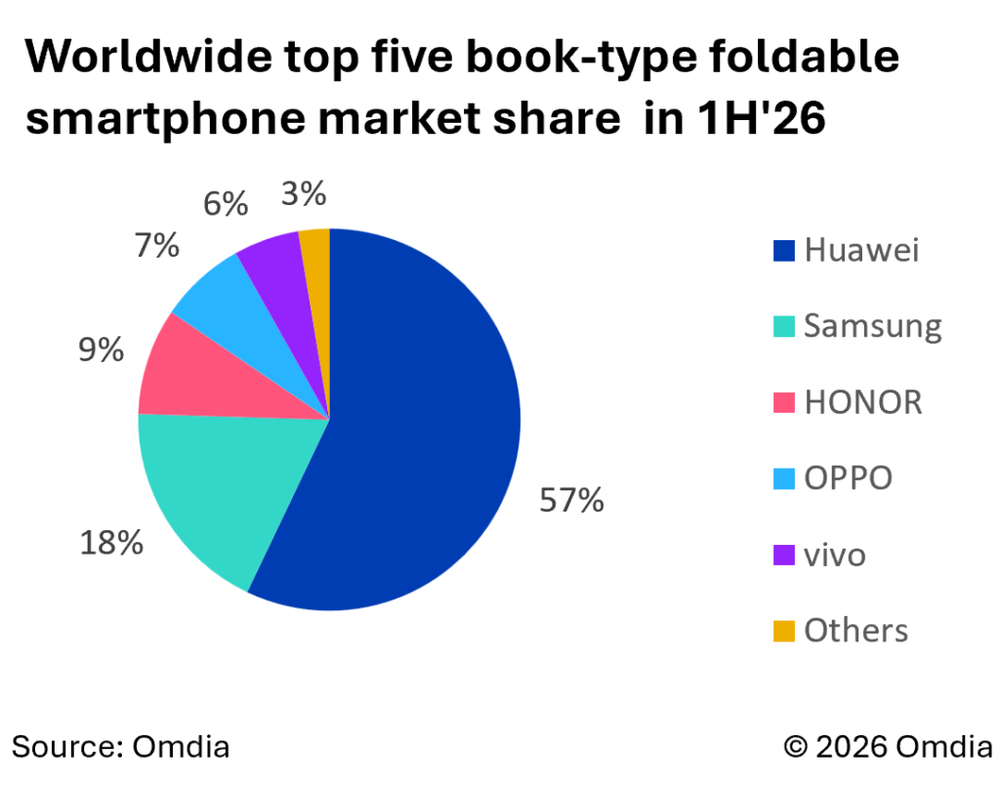
In terms of numbers, Omdia found that book-type shipments accounted for over two thirds of the overall foldable smartphone scene in the first half of 2026, taking 69% of all shipments. Huawei dominated the book-type foldable smartphone market share in the same time frame, netting 57% of all shipments while Samsung garnered just 18%. That being said, because this data is only for the first half of the year, it doesn’t take into account the popularity of the Galaxy Z Fold 8, which would’ve surely increased its share.
The biggest loser in all of this though is flip-type foldables. Despite once looking like the more popular and trendy form factor, the clamshell flip phone saw a 47% drop in the first half of 2026, compared to the same time period last year.
In 2026, there’s been 5.1 million units of foldable smartphones shipped so far, which is actually a 21.6% dip year-on-year. Again though, this did not take into account August’s launch of the Galaxy Z Fold 8, nor Apple’s upcoming foldable smartphone.
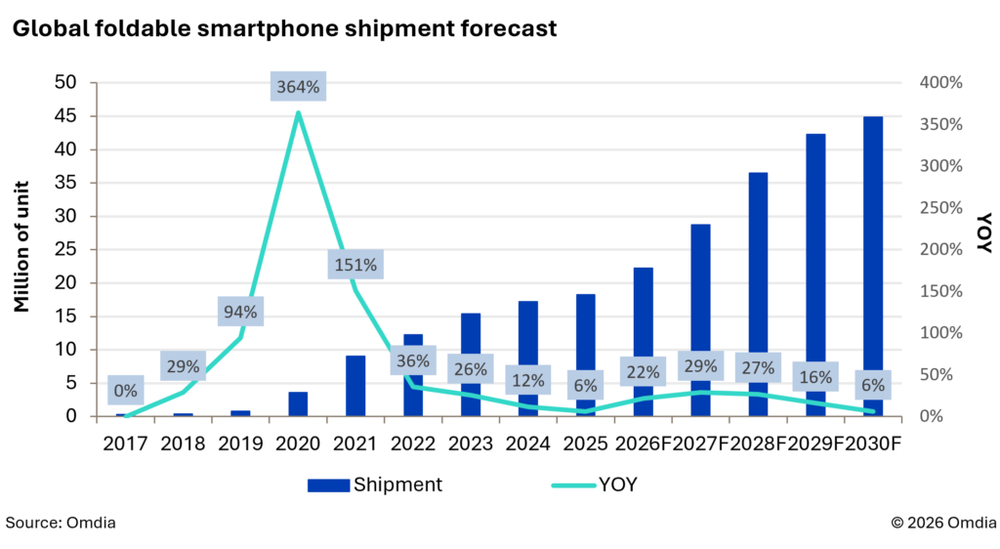
Omdia predicts that we will see an overall 22% rise in global foldable smartphone shipments for the year, reversing the slow growth of the segment over the past couple of years. In fact, the research firm expects foldables to exceed 22 million units this year alone, rising to 45 million units by 2030.
Nevertheless, that’s still just 3% of total global smartphone shipments. Foldable smartphones still struggle to drop structural cost barriers, as it not only requires more material in general but also more complicated designs, larger displays, specialised glass and so on.
Read more of our articles below!