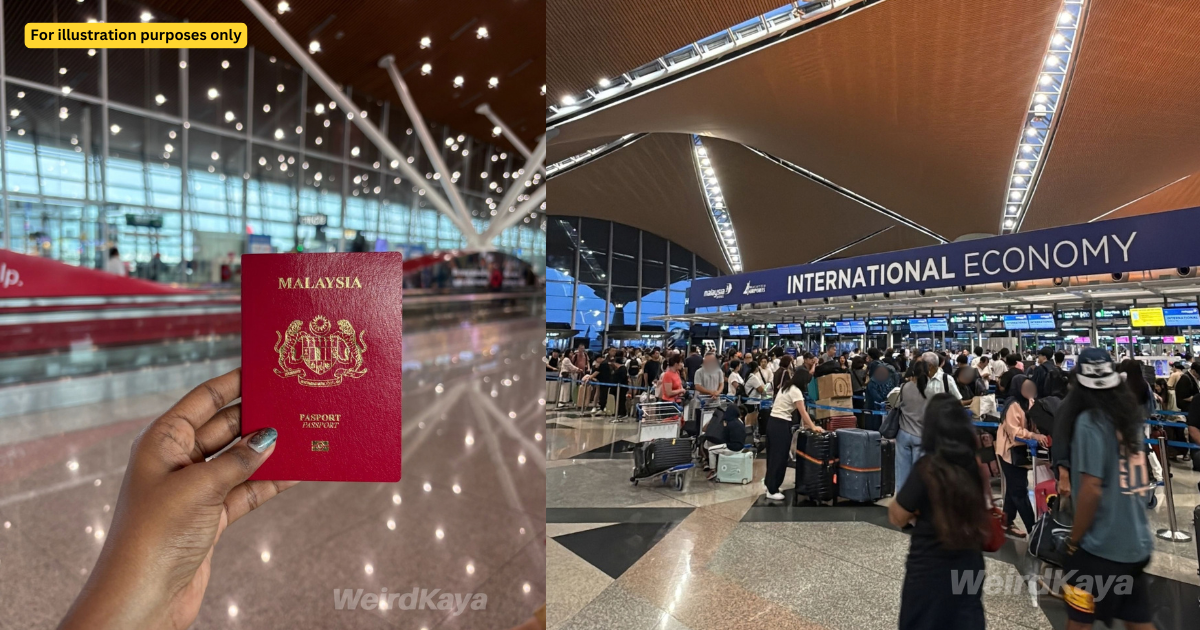
With discipline, it is possible to achieve.
Before any travel planning, EPF, SOCSO and EIS take their cut. At the standard rates of 11% for EPF, 0.5% for SOCSO and 0.2% for EIS, a RM3,000 gross salary loses roughly RM350 to RM410 a month.

Your RM3,000 is not really RM3,000
Calculator Malaysia puts the take-home figure at around RM2,590 to RM2,630. For a single person claiming basic reliefs, PCB at this income level is usually minimal or nil.
| Item | Monthly (RM) |
|---|---|
| Gross salary | 3,000 |
| EPF (11%) | -330 |
| SOCSO (0.5%) + EIS (0.2%) | about -21 |
| PCB (single, basic reliefs) | 0 to small |
| Working take-home figure | 2,630 |
What is left after basic living costs?
EPF’s own Belanjawanku 2024/25 guide says a single person in the Klang Valley who uses public transport needs about RM1,970 a month for a reasonable standard of living. Own a car, and that jumps to around RM2,800.

Here is where it gets uncomfortable.
Public transport user
RM2,630 minus RM1,970 leaves about RM660 a month, or roughly RM7,900 a year, for savings, emergencies and fun.
Car owner
RM2,630 minus RM2,800 leaves about -RM170 a month. Before a single flight is booked, the budget is already short.
So the honest answer to “can I travel on RM3,000?” is: it depends massively on whether you drive. Everything below assumes the RM660 surplus. If you are a car owner on this salary, your first job is fixing the monthly gap, not booking Bangkok.
How Malaysians actually travel
You are not alone in wanting a yearly trip.

UN Tourism data compiled by VisitBritain shows Malaysians made 11.9 million outbound trips in 2025. Tourism Malaysia’s own survey found that 35.1% of Malaysians took at least one overnight holiday abroad in 2023, and Thailand alone accounted for 30.2% of those trips.
The same survey found budget was the single biggest factor in deciding where to go, cited by 28.3% of respondents.
In other words, most of us are already doing short-haul, budget-first travel. The Instagram version of travel is the exception.
A 5-Day solo trip to 5 popular destinations
I used Calculator Malaysia’s 2026 estimates for return flights from KL and daily spending (which covers accommodation, food, local transport and activities, but not flights), plus single-trip travel insurance ranges. Ranges run from budget to comfortable mid-range.
| Destination | Return flight | Est. total |
|---|---|---|
| Thailand | RM350 to 600 | RM800 to 1,600 |
| Vietnam | RM380 to 650 | RM750 to 1,700 |
| Bali | RM450 to 750 | RM1,000 to 1,850 |
| South Korea | RM1,000 to 1,600 | RM3,500 to 5,500 |
| Japan | RM1,800 to 2,500 | RM5,000 to 7,000 |

These are solo numbers, so you pay the full room rate. Calculator Malaysia estimates that travelling in a pair or small group typically cuts cost per person by 20% to 35%, mostly from sharing a room.
How much do I need to save every month?
| Trip | Save per month |
|---|---|
| Thailand / Vietnam | about RM150-RM200 |
| Bali | about RM120-RM200 |
| South Korea | about RM450-RM550 |
| Japan | about RM550-RM600 |
Southeast Asia costs about the same as a couple of mamak dinners a week. Japan is a different story.
Putting 41% of your only buffer into one holiday means less for your emergency fund, less for any debt, and zero room if your phone dies or your landlord raises rent.
Japan or Korea on RM3,000 is possible, but I would treat it as an every-other-year trip, or go with a friend to share rooms.
A yearly trip within ASEAN is the sweet spot for this salary.
The costs nobody puts in their budget
Travel insurance
A 7-day single trip costs roughly RM25 to RM85 for ASEAN and RM45 to RM150 for Asia-Pacific. Skipping it to save RM50 is a bad trade when one hospital visit abroad can cost more than the whole trip.
Levies, baggage & getting to KLIA

Malaysia’s departure levy is RM8 for economy flights within ASEAN and RM20 beyond, usually baked into your fare. Budget airline promo fares rarely include checked baggage or seat selection, and the trip to and from the airport can add another RM50 to RM150.
Card fees and mobile data
Overseas card transaction and money changer spreads quietly eat a few percent of everything you spend. Add a travel eSIM or roaming pass on top. Budget an extra 10% of your trip total as a buffer for all of this.
Good news: visas
Malaysia’s passport is strong in Asia. China, for example, allows Malaysians visa-free stays of up to 30 days per visit under a mutual exemption agreement, so no visa fees for most of the destinations above. Always check official embassy sources before booking, since entry rules change.
How I would make it work on RM3,000 salary in M’sia
Emergency fund first
Build at least three months of expenses (around RM6,000) before a holiday gets priority. Travel is a want. A sudden job loss is not optional.
Open a separate travel pocket
Auto-transfer RM300 to RM500 on payday into a separate savings account or pocket so it never mixes with spending money.
Book one to three months ahead
That is what most Malaysians already do according to Tourism Malaysia. Set fare alerts, and avoid school holidays and long weekends when prices spike.
Travel with a friend
Sharing rooms and rides can cut your per-person cost by up to a third. That is the difference between Korea being a stretch and Korea being realistic.

What not to do
Paying for the trip with a credit card you cannot clear
Carrying a holiday balance at credit card interest rates turns a RM1,500 trip into something far more expensive.
Stacking BNPL instalments
Splitting flights, hotels and activities into separate instalment plans hides how much of next year’s surplus you have already spent.
Raiding EPF Akaun Fleksibel for a holiday
It is your money, but it is also retirement money that compounds. A holiday is exactly the kind of spending your monthly surplus should cover instead.
Travelling overseas once a year on RM3,000 is not a fantasy. If you take public transport, a Thailand, Vietnam or Bali trip only needs about RM150 to RM250 a month. That’s less than most of us spend on food delivery.
Japan and Korea are still possible, but they work better every other year or with a friend to split the costs. The real deal-breaker isn’t the destination. It’s whether you drive and whether your emergency fund comes first.
Sort those two out, and that yearly trip stops being a wish and becomes a plan.