
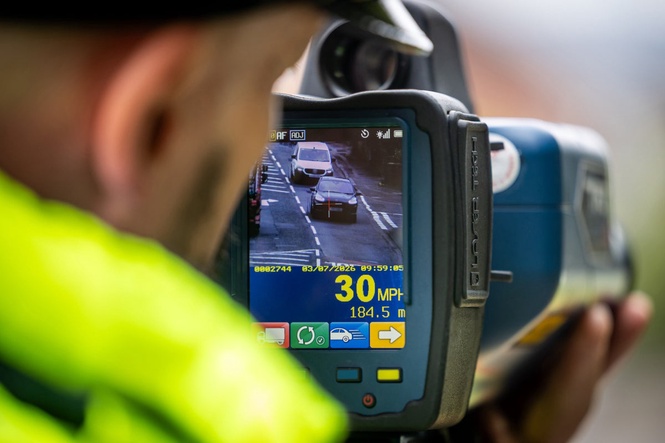
A woman says she was left “feeling completely helpless” as she faced a daily avalanche of motoring fines after her car number plate was cloned by criminals.
Heather Caddick was sent more than 120 penalty notices over a six-month period for driving in bus lanes, speeding offences and unpaid clean air zone charges for her Saab vehicle in Bristol.
Despite successfully appealing against the first batch of fines, they kept being sent, until Mrs Caddick was forced to re-register her vehicle with a private number plate.
“I was upset and anxious over the first fines, but by the end I was feeling angry,” she told The Independent.
“There were so many I was getting, up to 12 a day. I was even having to explain to the postman what was happening. Every one of the fines needed a response to appeal and cancel the payment. It turned into another job.”
Ms Caddick’s story is not unusual. Last year, DVLA data seen by The Independent showed 11,402 reports were made by people who received fines or penalties that were not related to their vehicle, up 54 per cent from 7,430 in 2021.
Cloning a licence plate, one of the reasons behind the reports to the DVLA, involves criminals stealing or copying another car’s registration, often for a similar-looking vehicle, to avoid fines and penalties for motoring offences.
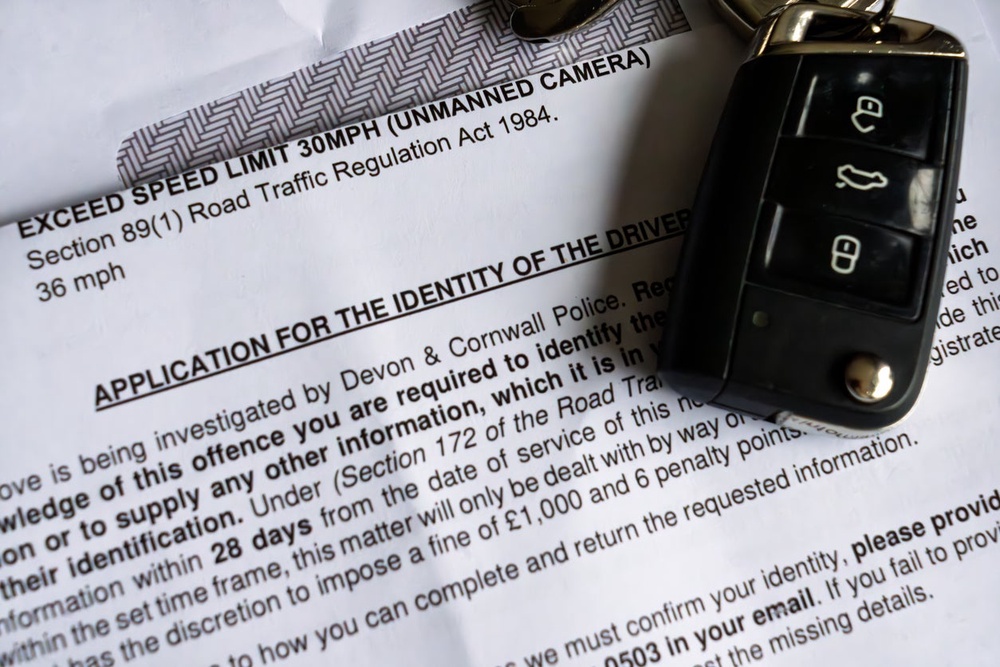
The practice allows the offender to drive undetected for criminal activities until police are made aware.
But it also brings upset and frustration to the victims, often living hundreds of miles away from the offences, who only learn their vehicle identity has been stolen when they receive a penalty notice.
For Ms Caddick, the fines started coming soon after she privately bought her Saab vehicle. She believes the criminal took the registration plate from the online listing.
From February to July 2024, she received more than 120 fines. Almost all were from Bristol City Council, with around 80 for entering a bus gate in one part of Bristol, and 40 being unpaid charges for the city’s Clean Air Zone.
Ms Caddick, who lives in Keynsham, three miles from Bristol, also got sent a couple of speeding tickets from Avon and Somerset Police, and one fine for an illegal drop-off at Bristol Airport.
“I thought at one point, ‘Hang on, if I’m not successful in these appeals I could have to pay out thousands of pounds’,” she said.
Identifying the different model of the car in CCTV pictures attached to the notices, she appealed every single notice. On many occasions, she was then asked to provide further information to support each appeal.
“It was distressing,” she said. “I’d come home and there would be several more in the letter box. You know, they all have that threatening tone to the letters on what happens if you don’t pay. I’m just lucky to be computer savvy. I’d hate to think how elderly people would cope with it on their own.
“It went on and on, until I had enough and bought a private number plate for £250, then it stopped.”
Ms Caddick has appealed to the authorities – including councils and police – to work closer together in supporting victims. She also wants forces to strengthen their use of automatic number plate recognition (ANPR) cameras to stop offending motorists.
Avon and Somerset Police said it had since strengthened its approach to dealing with reported cloned vehicle registrations with the introduction of a dedicated online tool. The reports led to markers placed on plates that ANPR-equipped officers can use to identify suspect vehicles.
If a marked vehicle is encountered by police, opportunities to stop it will depend on a range of operational factors, including the time of day, location and the availability of police resources, the force said.
Inspector Matt Boiles said: “We appreciate how upsetting and frustrating vehicle registration cloning can be for those affected. Victims can find themselves receiving penalty notices or correspondence relating to offences they have not committed, which can understandably cause significant distress.
The National Police Chiefs’ Council said it was aware criminals used methods including cloning number plates to conceal the identity of a vehicle, and police were “working hard” to tackle the offending. Currently, several police forces are taking part in operations to target the offenders that included proactive patrols and “hot lists” of vehicles to stop.
A spokesperson said: “We continue to work closely with government and our partner agencies to establish how best we can work together to put a stop to this criminality.”
The DVLA said it was committed to ensuring all number plates were displayed legally, adding it worked with the police and council trading standards team to take action against registration plate suppliers who do not comply with the law.
Bristol City Council was approached by The Independent for comment.