_1652931074_9592.jpg)
New electric car owners are getting frustrated with ICE cars being parked at EV charging bays
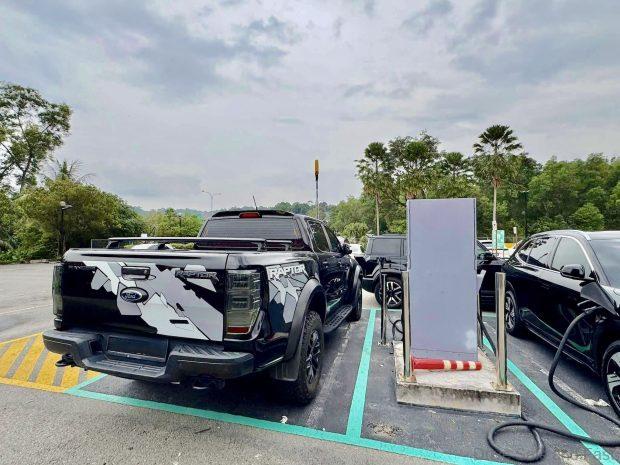
Transitioning from a traditional petrol powered car to a battery electric vehicle (BEV) comes with a learning curve, but few things sour the ownership experience faster than driving up to a charging station with low battery power only to find an Internal Combustion Engine (ICE) car parked in the charging bay (pictured above here).
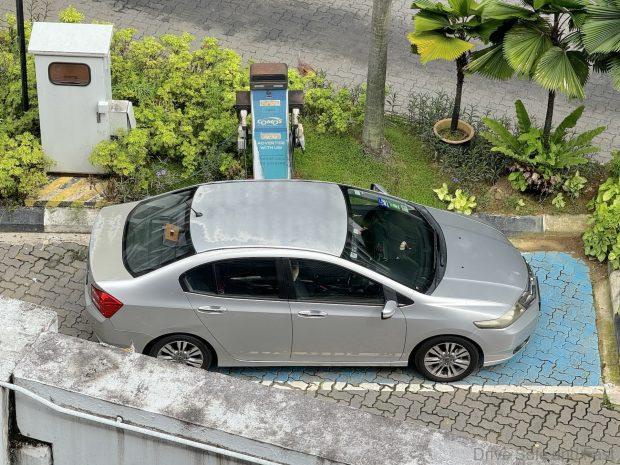
Informally known across the automotive community as “ICEing,” this practice of non-electric vehicles occupying designated EV charging bays has become one of the primary friction points for new electric vehicle adopters and also long term EV drivers. This issue has not changed since 2021 when we first started reporting about ICEing in Malaysia.
So, how the industry is working to solve it?
1. The Core Misunderstanding
The main cause of friction between traditional vehicle owners and EV drivers stems from a fundamental misunderstanding, EV charging bays are ‘fueling stations’, not ‘preferred parking’ spots.
When an ICE vehicle blocks a charging station, it isn’t simply taking up a parking space it is effectively blocking the “fuel pump”. While a petrol driver can quickly move to another nozzle at a petrol station, EV chargers are fixed infrastructure, often spaced kilometers apart. A blocked AC slow charger or DC fast charger can mean the difference between making it to a destination or getting stranded.
2. The Emotional Toll
For first-time EV drivers, “range anxiety” which is the fear of running out of battery before reaching a destination is a very ‘REAL’ problem. Public charging networks are designed to offer peace of mind during long commutes or intercity drives.
When a driver plans a route around an available fast charger, only to arrive with a single-digit state-of-charge (SoC) and find a petrol car in the spot, anxiety quickly turns into frustration. Unlike ICE cars, which can be refueled in under five minutes almost anywhere, stranded EV drivers are forced to hunt down secondary locations or wait indefinitely for the offending ICE car driver to return.
3. The Root Causes Behind the “ICEing” Trend
While some instances of ICEing are intentional which is driven by anti-EV sentiment or convenience-seeking, it a well known that a vast majority stem from a few common systemic issues.
Prime Location Placement: Property developers often install charging stations close to building entrances or elevators. When parking areas get crowded, drivers prioritise convenience over designated usage guidelines.
Lack of Enforcement: In many areas, charging bays on private property (like malls, condominiums or office plazas) fall outside municipal traffic enforcement, leaving security guards (foreigners who get verbal abuse for doing their job) with limited power beyond placing paper warnings.
EV “Hogging”: Frustration isn’t limited strictly to ICE vehicles. Plug-in Hybrid (PHEV) or fully electric cars parked in charging spots without actively charging or remaining parked long after reaching a 100% state of charge cause identical disruptions.
4. How the Infrastructure Is Adapting
To combat ICEing and improve charger availability, charging point operators (CPOs) and venue managers are rolling out several technological and operational safeguards.
Automated Wheel Clamps & Automated Barriers
To prevent unauthorized vehicles from occupying bays, forward-thinking parking operators are installing app-controlled floor bollards or wheel clamps. The bollard lowers only when a user initiates a charging session via their smartphone app, physically blocking ICE vehicles from parking.
Idle Fees
To discourage EV owners from hogging fully charged bays, operators like Tesla, Gentari, and ChargeEV enforce idle fees. Drivers are charged a per-minute fee if their vehicle remains plugged in after charging completes, incentivizing rapid turnover.
Clearer Bay Markings & Relocation
Urban planners and property managers are increasingly locating fast chargers slightly further from main building entrances. This simple change reduces the temptation for non-EV drivers looking for a quick front-row parking spot while keeping the bays dedicated for those who genuinely need a charge.
Having Some Courtesy & Stricter Enforcement
As electric mobility continues to expand into the mainstream, public education must keep pace with infrastructure development. Clearer legal definitions, stiffer penalties for blocking critical EV Charging infrastructure and better parking management will be essential to ensuring that charging bays remain accessible for every EV and PHEV driver.
The post ICEing Frustrating New Electric Car Owners first appeared on DSF.my.