SEN. Imee Marcos on Wednesday lauded the digital economy pact sealed during the Philippines’ 2026 chairmanship of the Association of Southeast Asian Nations (Asean), but lamented the lack of breakthroughs on key regional security issues.
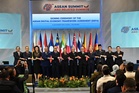
The senator was referring to the signing of the landmark Asean Digital Economy Framework Agreement during the 49th Asean Summit in Pasay City.
”These are welcome developments that deserve recognition,” Marcos said.
However, the senator said Manila’s chairmanship fell short of resolving two pressing geopolitical issues in Southeast Asia: finalizing a binding Code of Conduct (COC) in the South China Sea and halting the civil conflict in Myanmar.
”Nevertheless, I would have hoped for a stronger and more decisive diplomatic push toward the conclusion of a binding and effective Code of Conduct in the West Philippine Sea, as well as more concrete measures to bring about a cessation of hostilities in Myanmar,” she said.
While President Ferdinand Marcos Jr. noted earlier this week that COC negotiations have reached 85-percent to 90-percent completion, the Philippines formally turned over the rotating Asean chairmanship to Singapore on Tuesday without a finalized agreement.
Beyond regional security concerns, Marcos raised red flags over the fiscal prudence of the P22.9-billion budget allocated across the 2025 and 2026 national budgets for Asean hosting duties. She argued that the multibillion-peso outlay is difficult to justify while Filipinos grapple with economic headwinds and elevated living costs.
“At a time when our economy continues to face significant challenges, and many Filipinos struggle with the rising cost of living, such a substantial expenditure appears excessive and difficult to justify. Diplomatic achievements are important, but they must also be weighed against the cost to the Filipino people,” Marcos said.
The budget allocation — comprising P5.4 billion under the 2025 General Appropriations Act and P17.495 billion under the 2026 budget — has drawn scrutiny from lawmakers amid heightened inflation and a declared national energy emergency triggered by global oil supply disruptions.
Malacañang, however, maintained that the P22.9 billion represents the total ceiling allocated for more than 550 Asean meetings held throughout the year in Cebu and Metro Manila, as well as major venue restorations at the Philippine International Convention Center, World Trade Center and Coconut Palace.
Palace Press Officer Claire Castro said on Wednesday that the entire allocation has not been fully spent and remains subject to a formal audit. She added that P1 billion in initial savings from the Asean fund had already been realigned to support government relief programs mitigating the domestic impact of the Middle East crisis.