
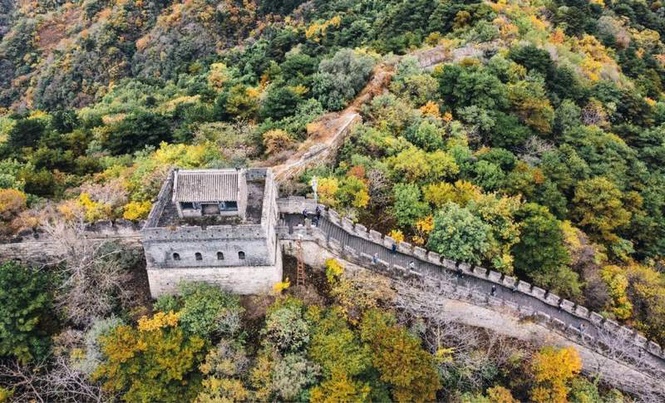
A massive cannon from the Ming Dynasty has been uncovered in the Jiankou section of the Great Wall of China. Weighing 247 pounds and measuring 35 inches in length, the cannon is thought to have been cast in 1632. And other artifacts have given archaeologists a unique peek into the lives of those who lived and worked on this iconic structure.
The Great Wall of China is celebrated as one of the world’s most recognizable symbols of defense and strength. However, ongoing excavations are revealing that the Wall was far more than just a military structure. Recent discoveries at Jiankou provide a broader perspective on life on the Wall, offering new insights into its history that were previously hidden beneath centuries of stone. So, what exactly has been uncovered in this remote section?
A Masterpiece of the Past Unearthed
The most exciting discovery during the excavation is the Ming Dynasty cannon, which was found among a collection of other military artifacts. According to Shang Heng, an associate research fellow at the Beijing Institute of Archaeology, the cannon’s inscription: “Chongzhen Year 5,” corresponding to 1632, places it in a pivotal moment in Chinese history.
Weighing 247 pounds and measuring 35 inches, the cannon is a striking example of craftsmanship. Its sheer size and design suggest that it was a formidable weapon, ideally positioned on the Wall’s watchtowers to bolster defenses.
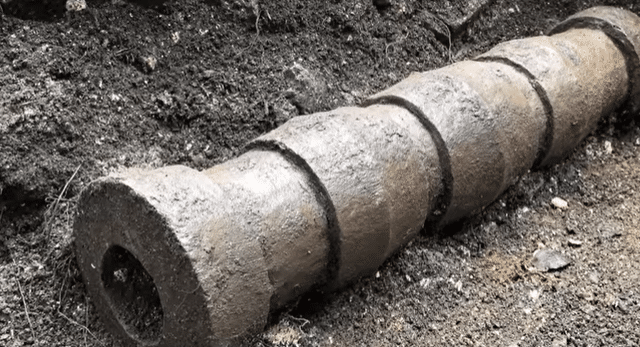
What makes this discovery even more fascinating is the cannon’s design. Heng points out that it shares some similarities to European red-coat cannons, particularly in the size of its barrel. This indicates that military technology may have been exchanged between China and Europe during this period, revealing a level of cross-cultural influence that was not widely known.
What Life on the Wall Was Really Like for Soldiers?
While the cannon is undoubtedly the highlight of this excavation, it’s the everyday items found that truly bring this section of the Wall to life. Among the more unexpected finds were items showing how soldiers lived while stationed there. Archaeologists discovered a heated brick bed and stove in Watchtower 118, showing that soldiers had to adapt to the harsh, cold environment in creative ways.
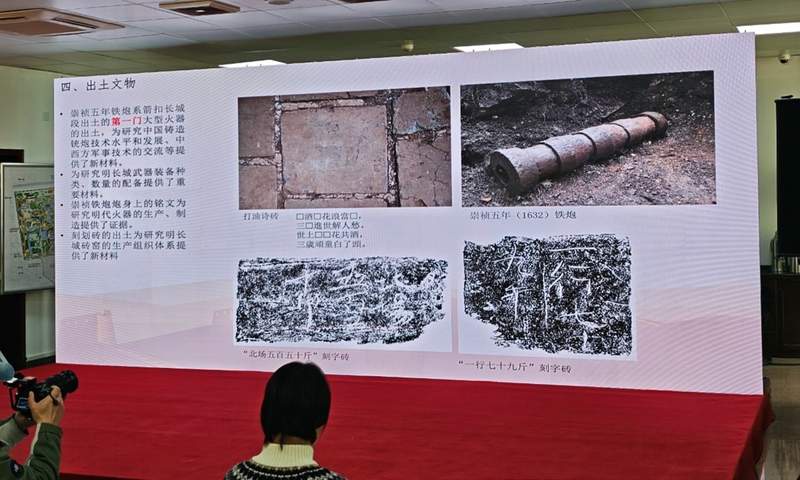
Besides these items, there were also animal bones, crops, and medicinal plants found. These finds suggest that soldiers had access to basic resources for survival and health, which wasn’t always guaranteed in such a remote location.
The Enigma of the Turquoise Artifacts
Among the more surprising discoveries were 28 turquoise artifacts, believed to have originated from mines in Hubei, Henan, and Shaanxi. These pieces suggest that the Jiankou section of The Great Wall was part of a larger trade network.
“These findings transform the Great Wall from a cold military structure into a living historical landscape integrating defense, cultural exchange, and daily life,” Heng said, as quoted inGlobal Times.
The presence of turquoise, a valuable commodity, hints at the connections between the northern parts of China and other areas, and even possibly beyond the borders of the empire.
The Ongoing Mystery of the Great Wall
The work at Jiankou is far from over, and archaeologists are eager to see what else might be hidden beneath the Wall’s stones. As stated in the same source, the Wall’s landscape has remained largely unchanged over the centuries, making it an ideal site for continued research.
“The Great Wall’s landscape and geography have barely changed, making it ideal for ‘time-travel’ style restoration research,” explained Heng .
As the excavation continues, further discoveries are expected, revealing even more layers of this multifaceted monument.
Enjoyed this article? Subscribe to our free newsletter for engaging stories, exclusive content, and the latest news.