
BANGKOK - Indonesia has called on Southeast Asian nations to establish coordinated crisis mechanisms to protect the region's estimated 7 million intra-ASEAN migrant workers during cross-border emergencies.
Addressing the 29th ASEAN Labour Ministers Meeting in Bangkok on Wednesday, Aug.. 26, Indonesian Manpower Minister Yassierli warned that existing bilateral frameworks regularly fracture during acute shocks, leaving vulnerable laborers without consular access, emergency shelters, or safe evacuation channels.
Indonesia’s proposal establishes three strategic priorities: deploying early-stage emergency systems that trigger automatically at the onset of a crisis, synchronizing cross-sectoral coordination across foreign affairs, immigration, and disaster management agencies, and guaranteeing post-crisis assistance through structured rehabilitation once workers return to their home countries.
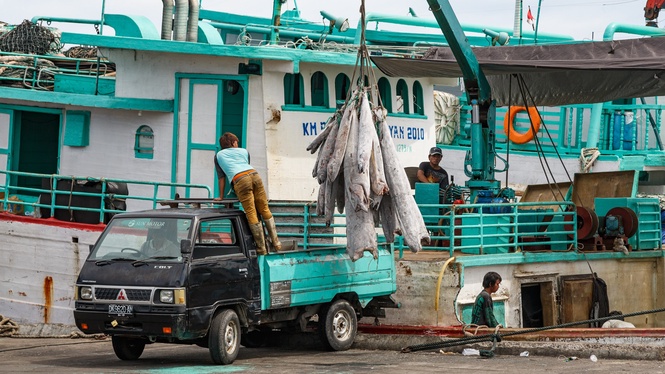
The Indonesian delegation also pressed for targeted safeguards for high-risk workers, specifically calling for standardized placement guidelines and emergency extraction protocols for commercial fishing crews and maritime personnel stranded in extraterritorial waters.
The policy push comes as intra-regional migration continues to expand across Southeast Asia.
According to United Nations and International Labour Organization data, roughly 7 million of the region's 10 million international migrants work within ASEAN member states, concentrated heavily in informal and low-wage sectors—including agriculture, construction, fisheries, and domestic labor—where statutory social protections remain sparse.
“ASEAN cooperation must encompass emergency protection, safe repatriation, recovery, rehabilitation, and sustainable reintegration,” Yassierli said in a statement released by the Ministry of Manpower.