
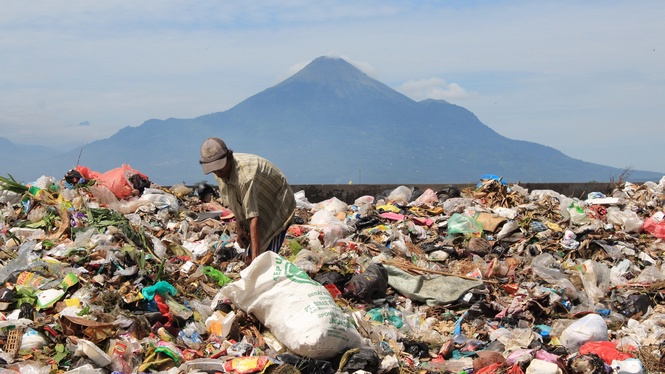
JAKARTA - Indonesia is recognising people commonly known as pemulung, or informal waste pickers, as waste-sorting and green-collar workers eligible for social protection, Environment Minister Moh Jumhur Hidayat said on Aug. 11.
In a statement reported by Indonesia's state-owned news agency Antara, Jumhur said the government was replacing the term pemulung with “waste sorters” while extending employment protection to workers who have long played a frontline role in the country’s waste-management system.
“They play a vital role as the forefront of waste sorting before waste reaches processing facilities,” Jumhur said. He added that they deserved to be called “Green Collar Workers or Environmental Heroes” because they contribute directly to environmental sustainability.
Eligible waste sorters can also receive employment social-security coverage through BPJS Ketenagakerjaan, the public body that administers Indonesia’s employment social-security programmes.
Informal workers covered by the measure can receive a 50% discount on work-accident and death-insurance contributions. Manpower Minister Yassierli said the adjustment reduces the monthly payment from Rp16,800 to Rp8,400.
The discount was already available under Indonesia’s social-security rules. Qualifying informal workers outside the transport sector can receive 50% off work-accident and death-insurance contributions from April through December 2026. BPJS says the lower payments do not reduce their benefits.
Work-accident insurance covers medical care and cash benefits for workplace accidents and occupational illness, while the death-benefit programme provides payments to eligible families when an insured worker dies from causes unrelated to a workplace accident.
For waste sorters, that protection addresses risks including accidents involving heavy equipment, injuries from used needles and exposure to hazardous waste.
The move is also part of Indonesia’s broader push to expand green jobs. Manpower Ministry guidance describes green jobs as work that helps protect or restore the environment and includes waste management among the fields where such jobs can be created.
Local efforts had begun moving in the same direction before the national announcement. In Medan, 10 women waste pickers at TPA Terjun received BPJS employment protection in late July.
Reporting from the event said nearly all waste pickers there previously lacked employment social security despite facing risks including used needles, hazardous waste and heavy machinery.
Sugianta, head of the Indonesian Waste Pickers Association in Medan, said the protection could prevent a workplace accident or other misfortune from devastating an entire household.
“Our hope is simple: BPJS Ketenagakerjaan can become a right for waste pickers, so when an accident or misfortune strikes, families do not lose everything,” he said.