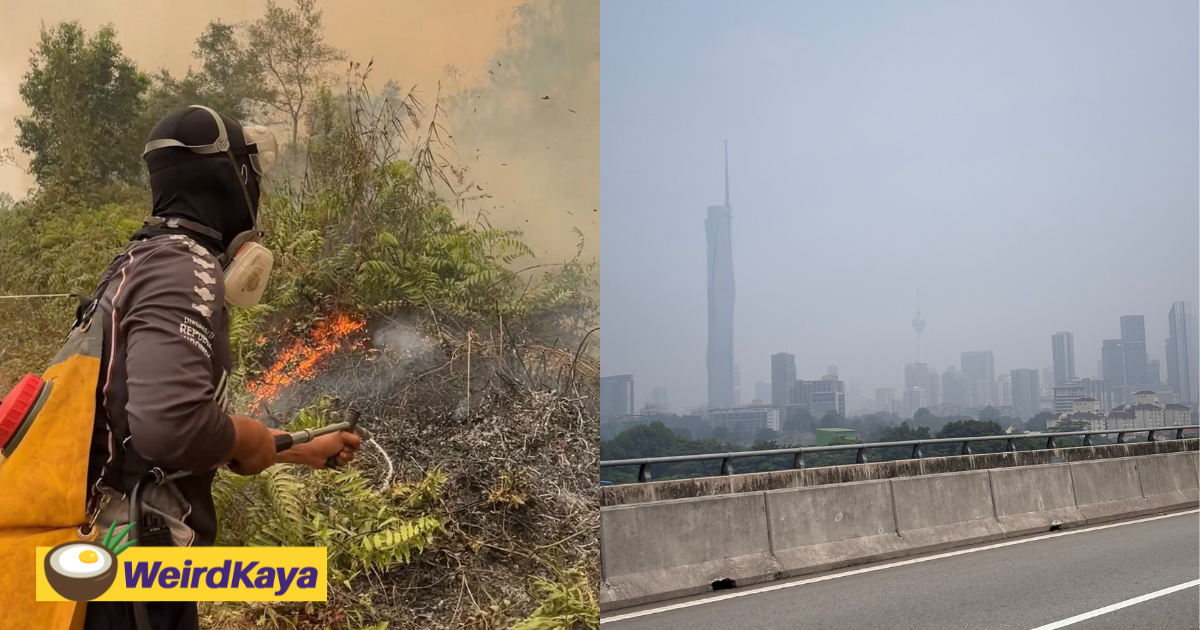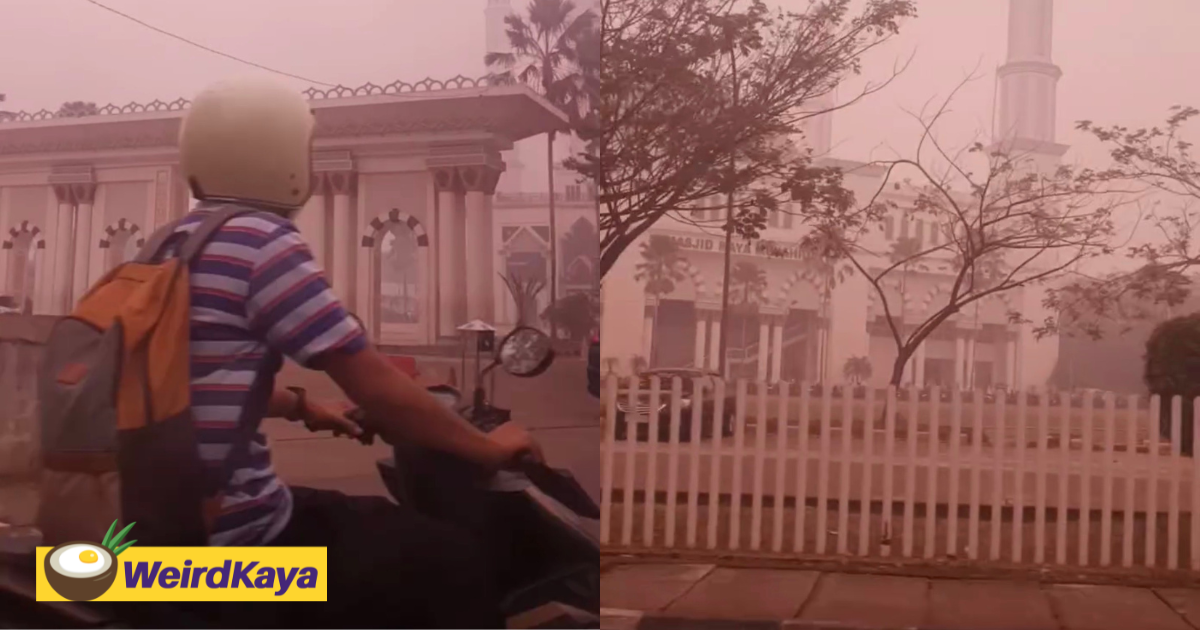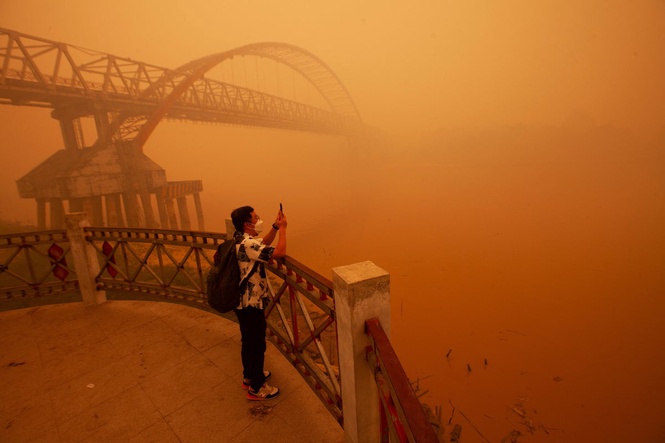
Indonesia will introduce a weather-modification technique to disperse thick haze from wildfires that has blanketed the country, disrupting flights and forcing school closures.
Aircraft will scatter pellets of dry ice (solid carbon dioxide) over South Sumatra province on Thursday, reviving a technique pioneered in the 1940s.
The method would be tested in the provincial capital Palembang and an adjacent district, local governor Herman Deru said.
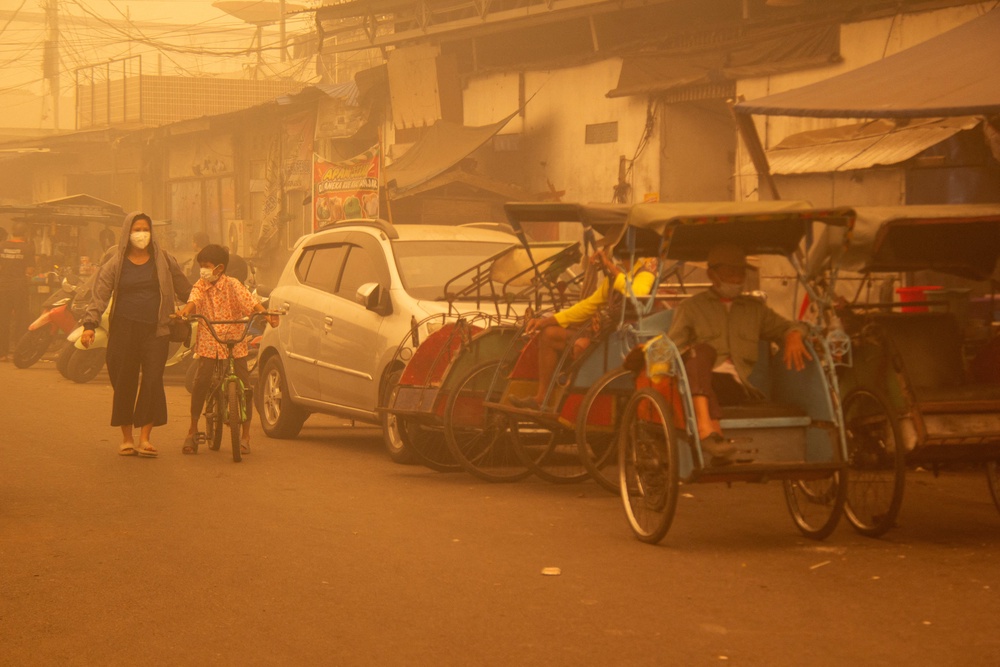
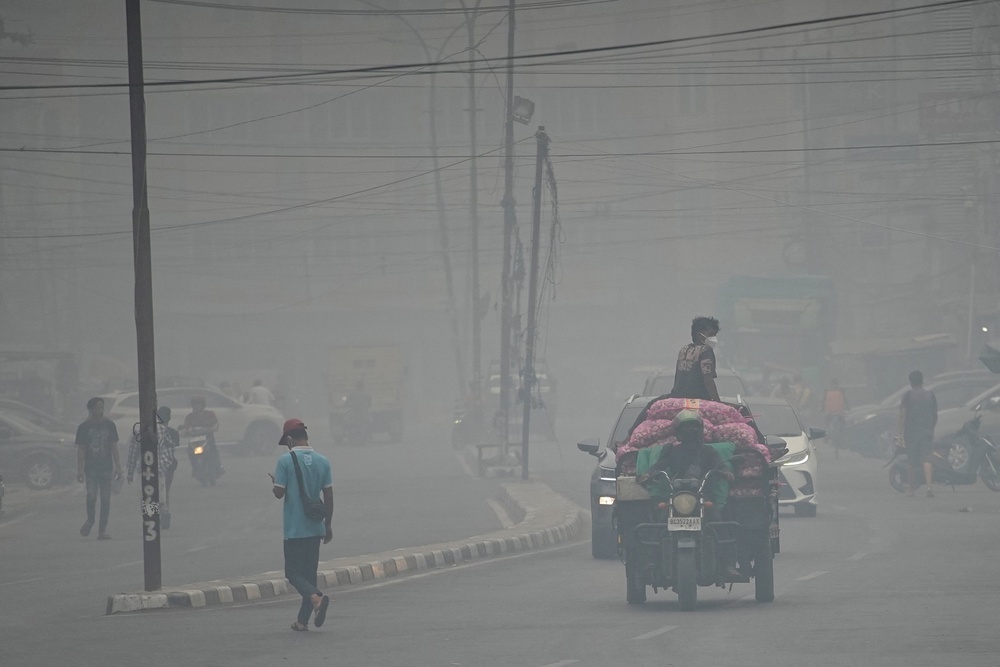
Haze from Indonesia's most intense El Niño-fuelled wildfire season in 11 years has caused a spike in respiratory illnesses at home and a dramatic decline in air quality in Singapore and Malaysia, where schools in several states have been closed during the last few weeks.
The thick haze drifted as far as the Philippines, more than 800km, and breached Malaysia’s emergency-level threshold for air pollution, forcing authorities to declare an emergency last month in Sarawak state.
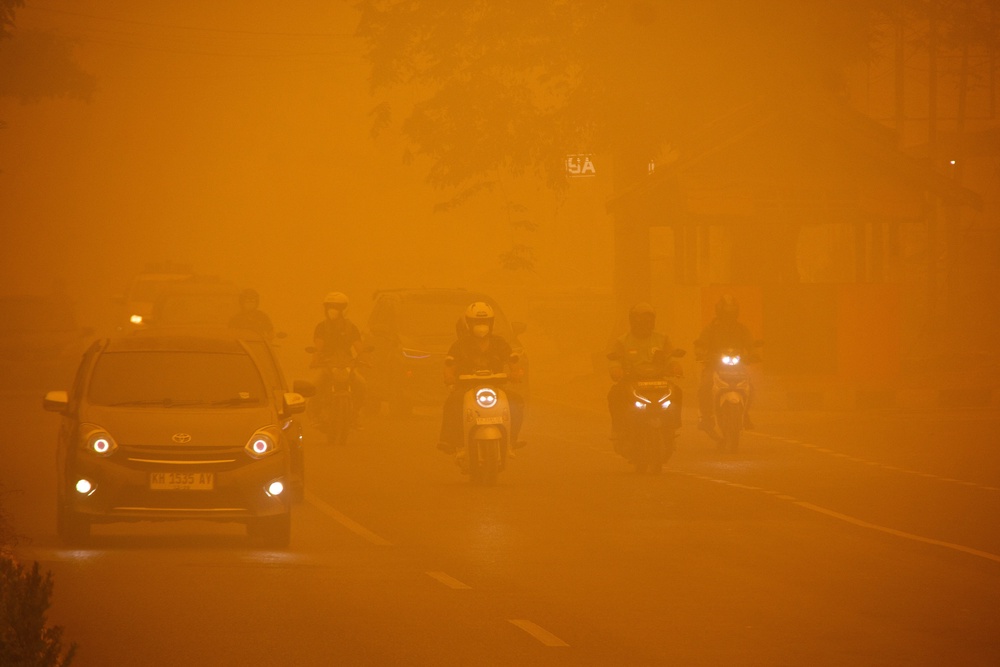
In Borneo, experts say that because vast peatlands have been destroyed by land conversion, the effects of El Niño are already being more acutely felt.
Indonesia's president Prabowo Subianto this week ordered the mobilisation of additional resources to combat wildfires and reduce the impact of smog. "This is a top priority for us. We must resolve it immediately," Prabowo said, amid criticism at home and abroad over Jakarta's response to fires.
Authorities in Indonesia and neighbouring Malaysia have tested multiple weather modification methods, including cloud seeding, which speeds up the natural process of water vapour condensing inside clouds.
Indonesia has so far conducted more than 70 weather modification operations in South Sumatra, one of the worst-hit regions, according to the provincial government.
Indonesia’s trial on Thursday will involve 1.5 tonnes of dry ice, the authorities said. The dry ice is expected to break up atmospheric temperature inversions, which trap cooler air and wildfire smoke close to the ground.
The technique dates back to 1946, when American researcher Vincent Schaefer discovered that dry ice could trigger ice formation in clouds. The next year, the US military tested the method by dropping crushed dry ice into a hurricane and Australia used it to induce rainfall.
With Southeast Asian foreign ministers set to discuss the transboundary haze in a meeting next month, Jakarta is coming under increasing international pressure to do more to tackle the fires.
A group of residents in Borneo has filed a legal case, accusing the government of negligence in handling forest fires that have been raging there for more than three months.
Official data on the extent of the land damaged by fire has not been updated since July, when 500,000 acres had been burned. Indonesia’s forest ministry said it needed time to verify the latest data.
However, according to environmental group Auriga, more than 1.5m acres were damaged from January to August this year, nine times the area of Singapore.
El Niño is part of a natural climate cycle of warming ocean temperatures, but this year’s is expected to reach new extremes of drought, heat waves, flooding and other climate-related disruptions across the globe.
Meteorologists forecast it could exceed a record El Niño that began in 1997 and helped trigger billions of dollars in damage from heat waves, floods, droughts, tornadoes and wildfires.
Read MoreEight Borneo orangutans freed back into the wild after devastating wild fires
Indonesia accused of ‘gross negligence’ over handling of wildfires
El Nino is now hottest ever recorded and still growing in strength, announces Japan
Indonesian haze makes Singapore the most polluted city in the world
Remains of 731 killed in Vietnam War laid to rest after six decades in mass graves
Australian man faces death penalty for murder of Thai girl found dead in suitcase