Fresh economic data shows U.S. inflation exceeded expectations last month, signaling that persistent price pressures—a driving force behind decisive Democratic wins in last week’s midterm elections—will go on complicating matters for both the White House and the Federal Reserve.
According to figures released Tuesday by the Labor Department, the consumer price index climbed 0.4% between September and October, down from 0.6% the previous month. Officials provided no year-over-year rate due to missing October 2025 data following last year's government shutdown.
Core inflation, excluding volatile food and energy costs, matched the prior month's increase at 0.3%. Both figures surpassed market forecasts by a tenth of a percentage point.
The report underscores that inflation remains noticeably above the Federal Reserve's target of 2%, an ongoing struggle for households that helped drive voters to overturn Republican majorities in the House and Senate last week. Armed with solid gains in both chambers, incoming congressional Democrats must soon confront the challenge of addressing voters' affordability concerns. President Donald Trump has acknowledged public dissatisfaction over the Iran war and gas prices, though he has shown no sign yet of altering course.
The persistence of elevated price gains makes a central bank interest rate increase highly likely at the next meeting in December. The Fed pushes up borrowing costs to dampen consumer demand and bring down inflation.
Speaking earlier Tuesday, Fed governor Christopher Waller, a prominent voice on the central bank's rate-setting panel, indicated that a half-point rate increase next month was possible, double the typical quarter-point move.
"Economic activity is strong, the labor market is stable, but inflation is too high, well above" the Fed's 2% goal, Waller said.
U.S. financial markets slipped following the report while Treasury yields ticked higher on expectations of persistent inflation and further monetary tightening from the Fed.
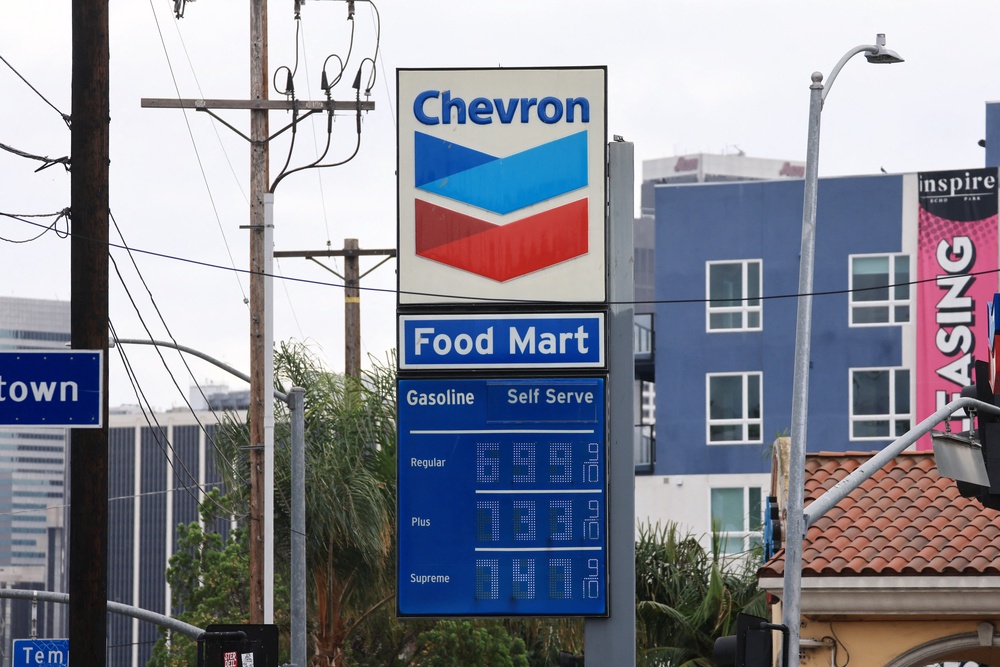
Gasoline prices rose 1% between September and October, official figures show, a significant increase that remains well below earlier spikes. Over the past year, gas costs have surged more than 37%. However, crude oil prices have dropped sharply recently on hopes of easing conflict in Iran, helping lower pump prices this month.
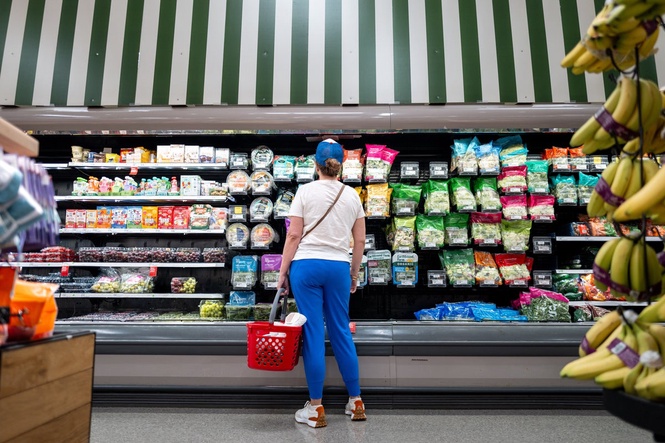
Yet broader signs indicate energy pressures are spreading across the economy, pushing up fares for air travel, public transport, and delivery services. Electricity rates rose 0.9% from September to October, the highest monthly gain since April, while grocery costs advanced 0.4%, marking another difficult rise after years of cumulative increases.
The AP Voter Poll, covering 100,000 voters, revealed roughly two-thirds blamed Trump’s policies for higher costs. Approximately nine in 10 voters called the cost of living a "crucial" or "major" driver behind their choices.
Inflation has been further exacerbated by massive investments in artificial intelligence infrastructure, driving up prices for microchips, power, and consumer electronics. In response, voters elected dozens of candidates who campaigned on promises to slow down data center construction.
Price rises are also extending into sectors far removed from energy or technology infrastructure. Digital streaming platforms have pushed prices higher, with Disney raising the monthly rate for its ad-supported Disney+ and Hulu bundle last month to $12.49 from $11.99. The ad-free package climbed by $2.50 to $21.49.
Rates also climbed last month for an Apple TV/Peacock bundle, rising to $17.99 from $14.99 monthly.
Major change to McDonald’s drive-thru coming next year
US job market stuck in low-hire trap as inflation silently drains family paychecks
This is the net worth you need to be considered rich in America
Mortgage rates are brutal right now. Lenders explain how to fight for a better deal
Startup wants to bring the Costco hot dog right to your door - for a 1,100% markup
How much money does it take to feel financially comfortable in 2026?