
Every new digital device in Russia is mandated to come equipped with a messenger app named Max.
But beneath its innocuous white-and-blue logo lies software that experts warn could allow the Kremlin to dramatically expand its capacity to spy on the Russian public.
The app, launched last year by Russian tech company VK, is not only a space for messaging and video calls but serves as a broader information system with the capacity to perform rigid surveillance on citizens.
New research conducted by academics has found tens of millions of people use the platform, which has the potential to serve as a “backdoor” to sweeping invasions of privacy that “undermine the confidentiality, integrity, and availability of information”.
The study conducted by academics at the University of Michigan, University of Calgary, Georgia Institute of Technology, and the Indian Institute of Technology, added that the “Android security model does not have any built-in mechanisms to constrain or audit a super-app”.
By downloading the app, researchers found that Max can screenshot users’ devices and the contents of mini-apps without their knowledge.
Even more worryingly, the app is also able to impersonate users without them knowing and has access to all information stored in apps including messages and payments.
The app also has the capacity to inject code into the mini-apps, which can be used to launch cyberattacks, one of the academics behind the study, Roya Ensafi, told The Guardian.
“What Max provides is the cleverest and also the scariest tactic by authoritarian governments” to surveil their citizens, she said.
The Independent previously spoke to analysts who predicted the app could work as a “spy programme”, allowing Russia’s FSB security service to establish rigid surveillance and that encrypted messaging apps such as WhatsApp would be banned.
With servers based in Russia, Max is subject to Russian law, which grants the FSB to have access to certain materials.
WhatsApp - the global messenger app used by more than 70 per cent of Russians - was banned in February 2026, pushing people towards using Max.
Telegram has faced a reduction in service, with the Russian government saying it has been used for violations of Russian law.
In June 2025, Max had one million users. By October this had climbed to 50 million, in December it rose to 75 million and by March 2026, this number had skyrocketed to 100 million, although the numbers are released by Max and have not been independently verified.
Russian opposition journalist Andrey Okun said last year that Max would be central to the Kremlin’s dream of constructing a “digital gulag”.
Writing for the Republic website, he said in comments reported by The Times: “This will be a sterile space in which the authorities have complete control over the leisure time, motives and thoughts of citizens.”
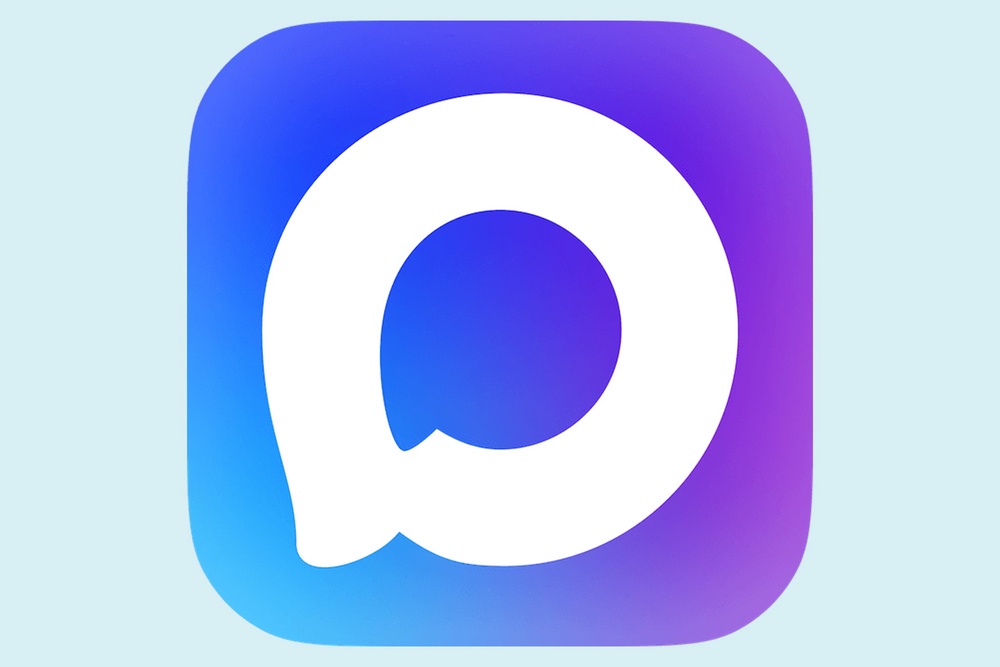
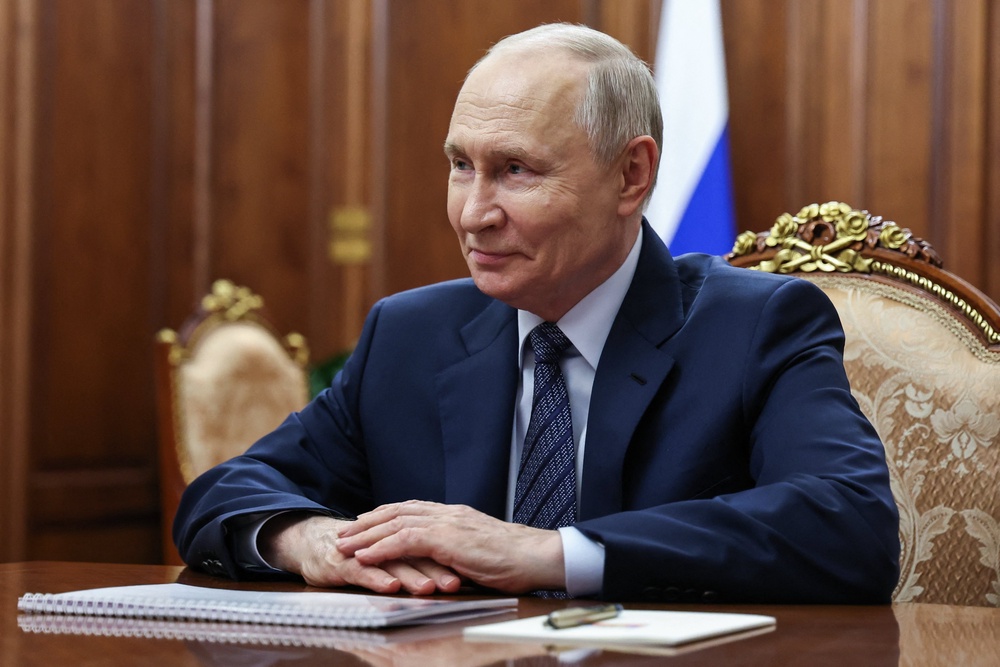
Experts on Russian technology and surveillance say that the introduction of the app, which is said to have been developed on Vladimir Putin’s orders, is only the latest step in repeated measures to ramp up its ability to monitor the entire Russian online sphere.
“This is a normalisation of Russia's surveillance of its internet use… it's part of a long, long process,” Keir Giles, author of Russia’s War on Everybody, told The Independent.
“The perceived threat from Western communications technology is not something that's new. It's something that has always been a focus for the Russian security services.”
Moscow’s security industry has for decades been frustrated by Russian citizens using foreign software such as Google, Skype and Hotmail, all of which made it much more difficult to read their messages, Mr Giles explained.
Western communications technologies have always been perceived as a threat by Russian security services. After years of trying to clamp down on services such as WhatsApp, the latest move to push Russians towards Max is “really just tidying up at this point”, he added.
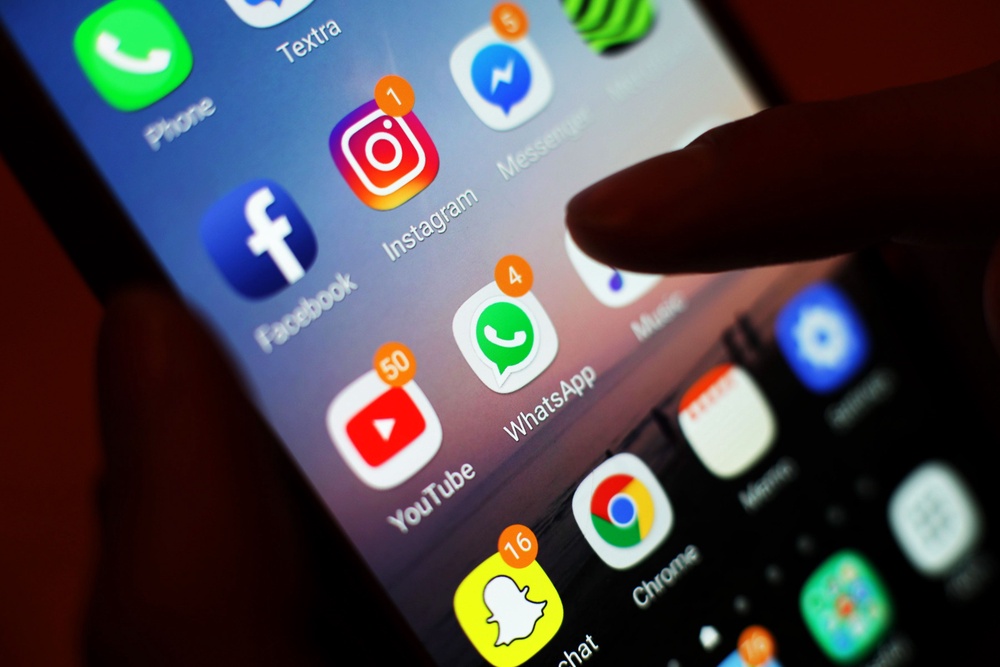
Popular apps such as WhatsApp - a messenger owned by Meta, which is designated as an extremist organisation by Russia - have now been banned.
“It would be disruptive and unpopular to [ban it] without having a replacement available,” Mr Giles added.
Mark Galeotti, a veteran observer of Russian security and politics and director of Mayak Intelligence, told The Independent : “The Russian state looks keen to be using sticks rather than carrots... just to kind of drive people towards Max.”
Pushing users towards Max is unlikely to have a significant impact on Russian opposition and activism against the government, Prof Galeotti explained, because they tend to avoid WhatsApp in favour of “more seriously secure” apps such as Proton Mail and Signal.
But it may prompt a significant change in “casual dissent”, he added. “That's where it might have a freezing effect: people who might be under other circumstances willing to send messages with slightly scurrilous content about the Kremlin might think twice.”
Russia previously attempted to block the Telegram messaging app in 2018. But the attempt failed, and did not practically affect the availability of Telegram in Russia, leading it to be officially unblocked two years later. However, it is subject to restrictions.
Max has been contacted for comment.
Read MoreThe government wants families to stock up on food. Here’s what to buy
Ukraine war live: Trump says ‘unfortunately’ Moscow has lost control of oil industry
World leaders in New York to grapple with climate. Fuel prices, AI and disasters complicate things
War, runaway AI and climate shocks to take center stage as world leaders meet at UN
Arrests and opposition parties banned: How Putin controlled Russia’s ‘sham’ elections
Putin should have suffered in this election. He has Trump to thank for his success