If you live in Utah, there’s a good chance your neighbors are taking Halloween candy shopping seriously. According to a new report from Instacart, the state leads the nation in candy purchasing activity, with its shoppers buying candy at a rate 67% above the national average. But Utah isn’t alone in its enthusiasm for filling Halloween candy bowls.
Instacart released its 2026 Halloween Sweet Tooth Report on September 30, examining shopping activity from October 2025. The findings reveal which states and cities buy the most candy relative to their grocery orders, which treats dominate nationally, and where unusual regional favorites have developed. For families preparing for Halloween 2026, the numbers also offer some inspiration for filling candy bowls without going overboard on spending.
Utah Is America’s Biggest Halloween Candy Buyer
Utah claimed first place in Instacart’s state rankings, with candy purchases 67% above the national average relative to overall shopping activity. Idaho followed at 50%, while Alaska came in third at 47%. Washington and Montana completed the top five at 43% and 40% above average, respectively. The results show a strong concentration of candy-buying activity in the Mountain West and Pacific Northwest, rather than in the country’s most populous states.
Here’s how the top five states ranked:
| State | Above national average |
|---|---|
| Utah | +67% |
| Idaho | +50% |
| Alaska | +47% |
| Washington | +43% |
| Montana | +40% |
These percentages describe candy’s relative prominence in Instacart orders, not how much individual households spend. For example, Utah’s 67% figure doesn’t mean a Utah family spending $30 on Halloween candy would necessarily spend $50.10 elsewhere. It means candy accounts for a substantially greater share of the state’s Instacart shopping activity than the national benchmark.
Anchorage Takes the Crown Among America’s Cities
The state rankings are interesting, but the city-level findings reveal an even more concentrated regional trend. Anchorage, Alaska, topped the list with candy purchasing activity 56% above the national average. Eugene, Oregon, followed at 53%, while Tacoma, Washington, came in third at 51%. Vancouver and Spokane, both in Washington, completed the top five at 48% and 47% above average.
On the opposite end, Newark, New Jersey, New York City, and several other northeastern cities appeared among the lowest-ranking locations. Delaware, Pennsylvania, and New York also ranked among the states with the lowest relative candy-buying activity, at 18%, 16%, and 15% below the national average, respectively. However, these figures don’t necessarily indicate that Halloween is less popular in those communities. Residents may simply purchase candy through different retailers or shopping methods that aren’t reflected in Instacart’s data.
Reese’s Is Still America’s Favorite Halloween Candy
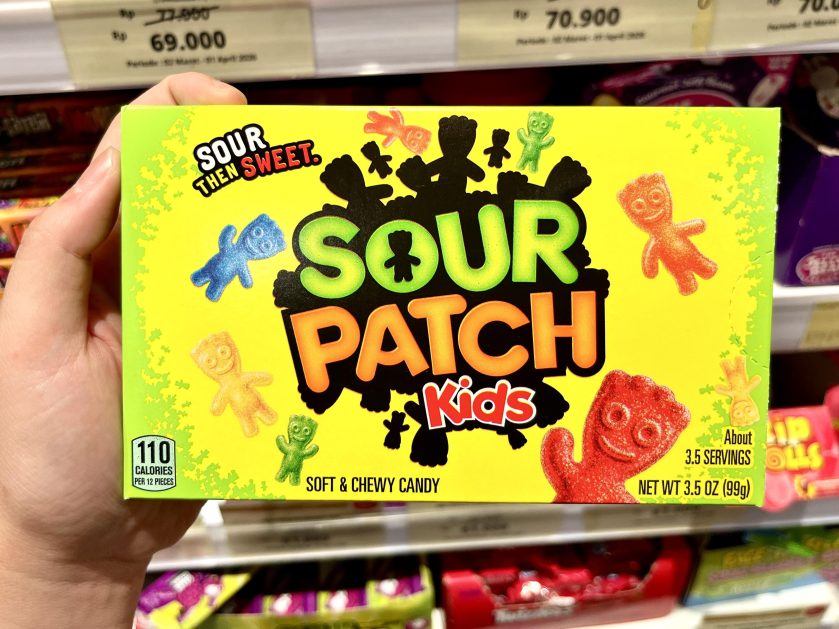
When it comes to individual candy brands, one familiar favorite dominates the rankings. Reese’s Peanut Butter Cups took first place nationally based on total ounces sold through Instacart, followed by Peanut M&M’s, Hershey’s Milk Chocolate, M&M’s, and Snickers. Chocolate occupied all five leading positions, with Sour Patch Kids becoming the first non-chocolate candy to appear at No. 7. Reese’s also ranked as the top-selling candy in 40 states and Washington, D.C., making it the clear national favorite in this dataset.
That finding has practical implications for anyone shopping for a Halloween party or preparing for trick-or-treaters. A bowl filled entirely with unusual seasonal treats might look festive, but familiar chocolates remain popular choices. However, chocolate assortments aren’t necessarily the cheapest option when you’re trying to serve a large crowd. Grocery Coupon Guide shoppers should compare the cost per individually wrapped piece rather than assuming a bigger chocolate bag automatically offers the best value.
Montana Has a Surprising Favorite: HI-CHEW
Perhaps the most unusual finding in Instacart’s report comes from Montana, where HI-CHEW purchases were 616% above the candy’s national share. That’s a dramatic difference, although it doesn’t mean HI-CHEW outsold every other candy in the state. Louisiana showed another distinctive preference, with Tootsie Pops purchasing activity 141% above the national benchmark. Rhode Island stood out for Sour Patch Kids, which registered 109% above the national average and even surpassed Reese’s and Peanut M&M’s as the state’s top seller.
Colorado and Wyoming also demonstrated notable enthusiasm for candy corn, a seasonal favorite that continues to divide Halloween shoppers. These findings suggest that local preferences can be dramatically different from national rankings. Someone assembling treat bags for a neighborhood party might consider including one or two regional favorites alongside familiar chocolate bars. Still, the smartest purchase depends on the actual price and package size rather than which candy happens to be popular nearby.
Halloween Costumes Reveal Another Unexpected Winner
Instacart’s report also examined costume purchases, revealing that traditional Halloween characters remain popular. Skeletons and witches led adult costume selections, while Ghostface masks, witches, and skeletons appeared among the leading children’s choices. Accessories such as hats, jewelry, and gloves also featured prominently in seasonal shopping activity. However, one particularly unexpected costume stood out in the food-themed category: the banana.
Among adults purchasing food-related costumes, bananas claimed the top spot. Instacart pointed out the amusing connection that bananas are also the company’s best-selling grocery item overall. While this finding doesn’t establish that banana costumes are America’s most popular Halloween outfit, it does highlight the variety of seasonal products appearing in grocery delivery orders. For families trying to save money on costumes, it’s also a reminder that recognizable outfits don’t always require elaborate accessories or expensive specialty purchases.
How Much Halloween Candy Should You Actually Buy?
The Instacart rankings are entertaining, but they don’t tell shoppers exactly how much candy to purchase for their own neighborhoods. A practical starting point is estimating how many trick-or-treaters typically visit and deciding how many pieces each child will receive. For example, a household expecting 100 children and planning to distribute two pieces each would need approximately 200 individually wrapped candies. Adding a modest cushion for unexpected visitors can help avoid running out without purchasing several unnecessary bags.
Consider a hypothetical shopping comparison involving two different candy assortments. A 150-piece bag priced at $18 costs 12 cents per piece, while a 200-piece bag priced at $22 costs 11 cents per piece. The larger bag offers a better per-piece value, but it also requires spending another $4 upfront. If you only expect 75 trick-or-treaters and plan to give out one piece each, the smaller package may be the more sensible purchase despite its higher unit cost.
Don’t Let Popular Candy Push You Over Budget
National favorites such as Reese’s and M&M’s can make Halloween shopping tempting, particularly when stores display large seasonal assortments near checkout lanes. However, shoppers should remember that recognizable brands and attractive packaging don’t guarantee the lowest price per serving. Comparing several package counts, checking digital coupons, and reviewing available store-brand alternatives can make a noticeable difference when buying hundreds of pieces. It’s also worth checking whether a bag contains miniature candies, fun-size bars, or larger individually wrapped portions, because those differences affect the actual value.
For instance, a family with a $25 candy budget could allocate $15 toward a chocolate assortment and $10 toward individually wrapped fruity candy. That provides two different options while creating a clear spending limit before entering the store. If the family discovers that one category offers significantly more pieces for the money, it can adjust the mix without exceeding the budget. The goal isn’t necessarily to buy America’s most popular candy, but to choose a reasonable variety at prices the household can afford.
What America’s Halloween Candy Habits Really Tell Us
Instacart’s latest Halloween report shows that the country’s biggest candy-buying hotspots are concentrated in the West, with Utah leading the states and Anchorage topping the cities. Reese’s remains the dominant national favorite, but regional standouts such as Montana’s HI-CHEW and Rhode Island’s Sour Patch Kids demonstrate that Americans don’t all fill their candy bowls the same way. The findings reflect Instacart shopping activity from October 2025 rather than every candy purchase made nationwide.
For Halloween 2026, the most useful takeaway is that popularity and value aren’t necessarily the same thing. Knowing which candies shoppers love can help you choose a crowd-pleasing assortment, but checking unit prices and estimating your expected trick-or-treaters will do more to protect your grocery budget. Whether your neighborhood favors chocolate, fruity chews, or candy corn, a little planning can make Halloween fun without leaving you with an expensive pile of leftovers.
Does your state deserve its place in Instacart’s Halloween rankings? What’s the one candy you always buy for trick-or-treaters? Share your favorites in the comments!
What To Read Next
Halloween Candy Is Already on Shelves — Is September Too Early to Buy It?
Here Are The Top 10 Candies For Halloween
5 Grocery Items That Vanish Right Before Halloween Night
Halloween Candy Sold at TJ Maxx, Marshalls and HomeGoods Recalled Over Undeclared Milk
Buy These 6 Snacks Before Halloween or Expect Empty Shelves
The post Instacart Reveals Where America Goes Biggest for Halloween appeared first on Grocery Coupon Guide.