

Intermittent fasting (IF) is an eating pattern in which one alternates between periods of fasting and eating. If looks at how many times one eats within a certain time period rather than what ones diets typically stress upon. According to Pharmaconic Website, it can take the forms of various methods such as the 16-8 fast where one fast for 16 hours and only eats within an 8 hours window or the 5-2 method where the person eats normally for five days and only on two days they eat minimal calories. Due to its health, its popularity, intermittent fasting is used worldwide, including weight loss, greater metabolic efficiency, and better clarity of mind. Also, it is compatible with several cultures and religions which makes it easier for a majority of the people as a way of life.
In terms of health, intermittent fasting is getting more celebrated in modern times, however, the relation of it can be found in Islam, more specifically during the holy month of Ramadan. Throughout the month of Ramadan, Muslims are sure to fast, and that entails no food or beverage intake, from dawn to dusk which satisfies not just religious views, but also triggers the rationale behind intermittent fasting. The very definition of fasting in the holy month of Ramadhan signifies more emphasis on self-restraint and feeling for others along with developing into a spiritually mature person. People become grateful for worldly possessions and pleasures which enables them to connect deeply with their beliefs as they abstain from such things. It induces them to consider their actions, practice the art of waiting, and refine their self-restraint attributes that are necessary in the ordinary course of life.
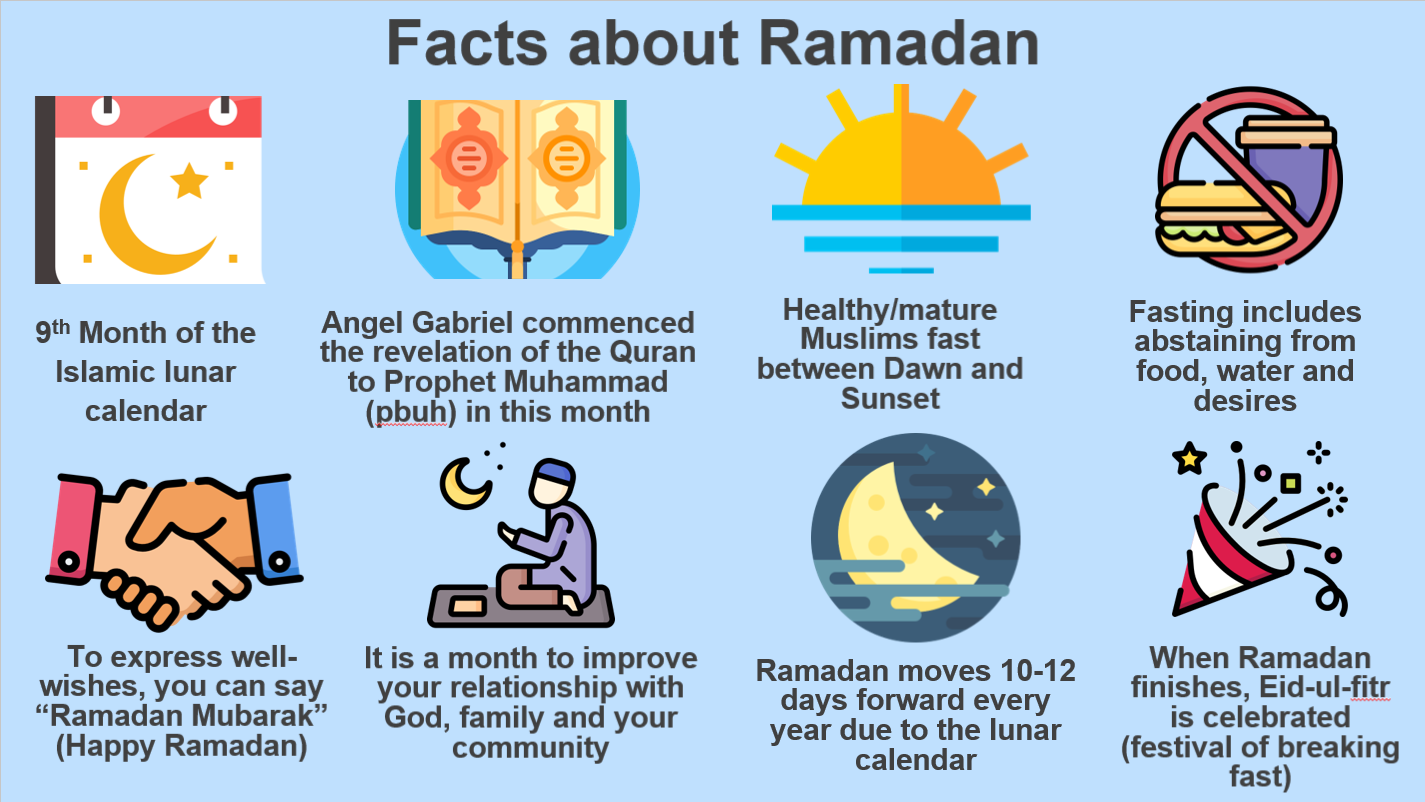
From a health perspective, intermittent fasting offers numerous benefits. Research suggests that fasting can improve metabolic health, aid in weight management, and enhance brain function. By allowing the body to rest from constant digestion, intermittent fasting promotes cellular repair and can reduce inflammation. Additionally, it may lower the risk of chronic diseases such as diabetes and heart disease.
Encouraging others to practice intermittent fasting can be framed not only as a means of physical health but also as a way to strengthen one's faith and moral character. By sharing the holistic benefits of fasting, individuals can inspire their communities to embrace this practice, fostering a culture of health and spirituality.
In conclusion, intermittent fasting, deeply rooted in Islamic tradition, offers a unique blend of moral values and health benefits. By practicing IF, individuals can enhance their spiritual journey while reaping the rewards of improved physical well-being, making it a valuable lifestyle choice for many.
Source:
1: Kelebihan berpuasa dalam menangani masalah kesihatan manusia [The Malaysian Medical Gazzet]
2: Intermitten Fasting and Possible Health Benefits [Pharmachonic]
3: Health Benefits of Islamic Intermittent Fasting [ResearchGate]

Submit any #SihatCergas related content and stand a chance to win prizes worth up to RM13,500, including a Spritzer water subscription plan and cash prizes! Find out how you can participate here.
Nas is a content creator under the Newswav Creator programme, where you get to express yourself, be a citizen journalist, and at the same time monetize your content & reach millions of users on Newswav. Log in to creator.newswav.com and become a Newswav Creator now!
The User Content (as defined on Newswav Terms of Use) above including the views expressed and media (pictures, videos, citations etc) were submitted & posted by the author. Newswav is solely an aggregation platform that hosts the User Content. If you have any questions about the content, copyright or other issues of the work, please contact Newswav.
