No airborne lead has been found in the Iowa region since the U.S. Army carried out a controlled detonation on Wednesday, the U.S. Environmental and Protection Agency said. The agency said the level of airborne lead detected remained “zero”.
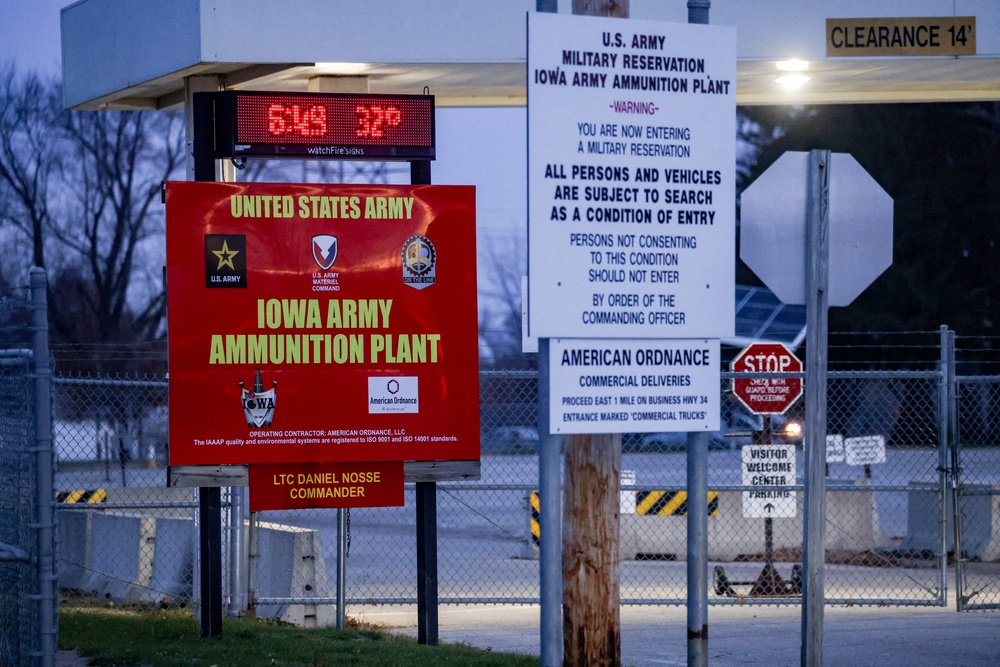
The detonation destroyed the nation’s entire stockpile of lead azide, a chemical used to make explosives. The Army said blowing up the stockpile was the safest option available because the material was degrading and might have exploded uncontrollably as the weather turned colder.
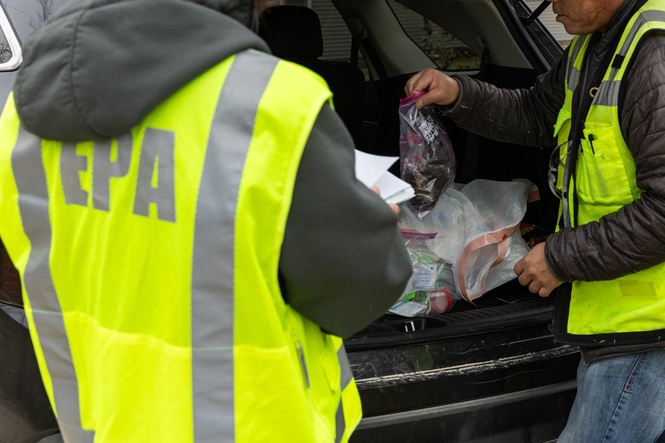
Sampling results from the operation are expected to start coming in “as early as tomorrow,” the U.S. Environmental and Protection Agency said in a statement Thursday. Before the detonation, EPA personnel and contractors collected more than 1,500 samples of air, water, soil and dust.
Hundreds more samples have been taken since the detonation, the EPA said. Those post-detonation samples included material from homes, parks and drinking water. The EPA said it expected to collect more samples on Thursday. The agency said the samples have been sent to laboratories for testing.
“The Trump EPA will continue its presence on the ground for as long as needed to ensure the proper environmental monitoring is taking place following the successful controlled detonation,” the agency said in a statement. Alongside lead exposure, the EPA is testing for other compounds that could have been released in the explosion.
“The agency is testing for everything we were anticipating could potentially be released as a result of the controlled detonation,” the EPA said.
Turbay is a corps member for The Associated Press/Report for America Statehouse News Initiative. Report for America is a nonprofit national service program that places journalists in local newsrooms to cover underreported issues.