
Another year, another iPhone. We’re all keeping our phones for longer than ever, but no one can outrun a depleting battery or, if you’re anything like me, the jealousy that comes with seeing all those shiny new features and camera upgrades arrive on newer models without getting your mitts on them.
If you bought an iPhone 15 Pro three years ago, you might now be reaching that all-too-familiar point where you’ve begun thinking about coughing up £1,199 to replace it. While the 15 Pro is still a super capable smartphone, three generations of upgrades have compounded, making your phone look frankly ancient by comparison.
But are the upgrades on the iPhone 18 Pro worth trading up for, or can you hold on for another year and wait for the rumoured 20th-anniversary iPhone? From the cameras and display to performance and battery life, I’ve lived with both phones – here’s what you get if you choose to upgrade, and whether you actually need to.
Read more: Best iPhone 18 Pro deals in the UK
iPhone 18 Pro
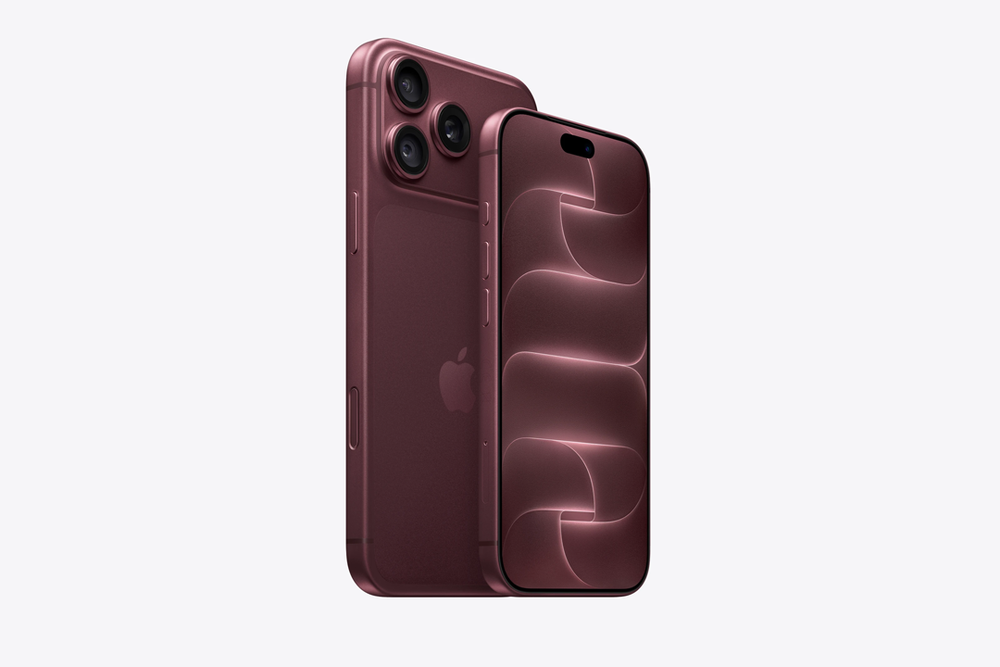
If you want the very best smartphone, the iPhone 18 Pro is it. “They still offer the very best of Apple’s phone line-up, if not the very newest technology, all in a dependable and beautiful design,” said technology editor Andrew Griffin in his iPhone 18 Pro review. “The changes improve all the things that the iPhone is best at, and which we rely on most: the camera, the performance and the battery life.”
Buy now £1199, Amazon.co.uk
iPhone 15 Pro vs iPhone 18 Pro: Design
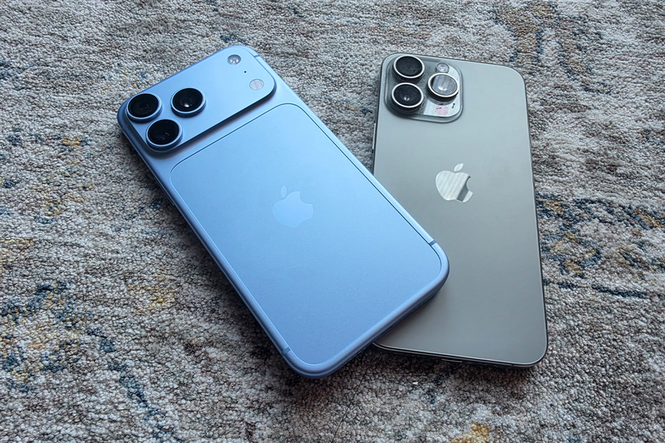
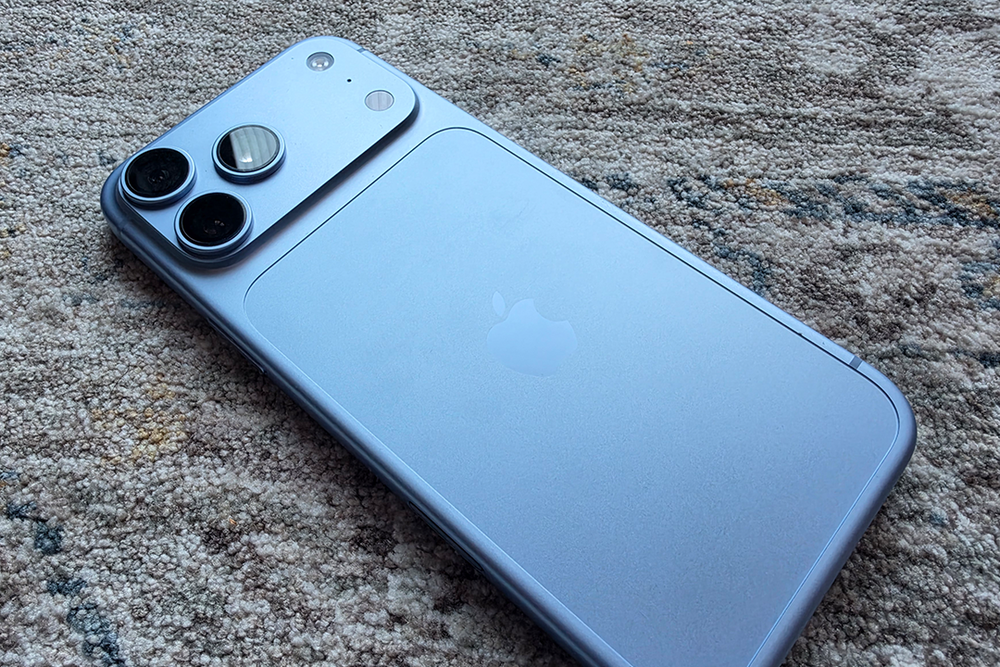
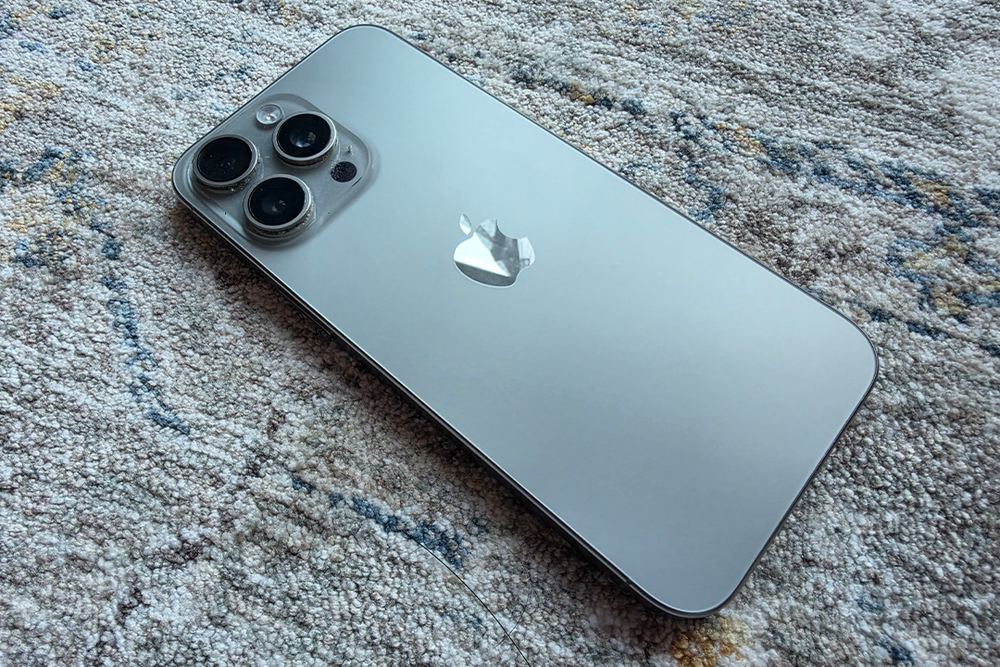
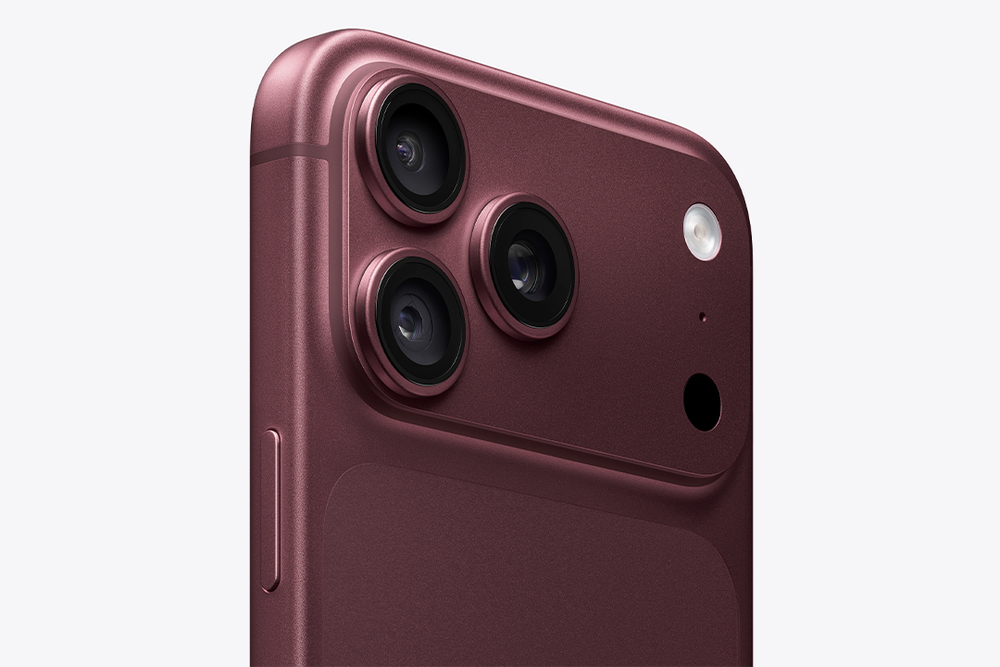
While I love my iPhone 15 Pro, it has started to look a little dated, especially since Apple introduced that new unibody design last year. There’s no more titanium frame, with Apple switching back to aluminium, while the squared-off camera bump has morphed into a big, hulking camera plateau that stretches across the top of the phone. I really like it, though some may say the iPhone 15 Pro oozes slightly more sophistication with its understated colours and modest design.
It looks largely the same, with rounded corners, but it has grown in size. The iPhone 15 Pro features a 6.1in display, and the iPhone 18 Pro has an even larger one – 6.3in to be precise, while keeping the proportions roughly the same. That’s mainly down to slimmer bezels.
The newer phone is a lot heavier, though. I felt it straight away when comparing my iPhone 15 Pro Max to the 18 Pro Max. The iPhone 18 Pro weighs 211g compared with the iPhone 15 Pro’s 187g, so if you upgrade, you might miss that lightweight feel. It’s partly a consequence of Apple’s decision to move away from the iPhone 15 Pro’s featherlight titanium construction. But it also made the phone more prone to overheating, so pick your poison.
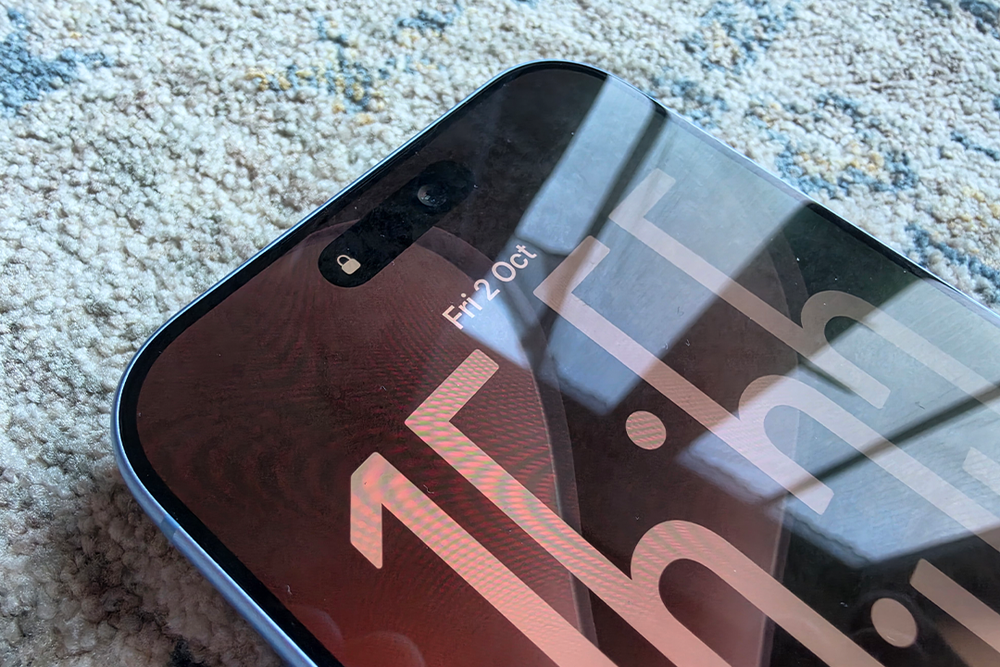
The display is a lot better too. While the iPhone 15 Pro’s display is by no means bad, the iPhone 18 Pro just takes things to another level. Both feature an always-on OLED display with ProMotion up to 120Hz, but the iPhone 18 Pro can reach 3,000 nits of peak outdoor brightness. The iPhone 15 Pro can only reach a peak outdoor brightness of 2,000 nits. From my testing so far, it’s a lot easier to see outdoors, assisted by a new anti-reflective coating. It can also dim all the way down to 1 nit, something the iPhone 15 Pro can’t do.
The glass has been upgraded as well. The iPhone 18 Pro features Ceramic Shield 2 on the front, as well as Ceramic Shield on the back. The iPhone 15 Pro uses Apple’s original Ceramic Shield on the front and a textured matte glass on the back. After three years of use, I do admittedly have two scratches on my iPhone 15 Pro’s screen. Ceramic Shield 2 is significantly more durable, so hopefully it won’t suffer the same fate.
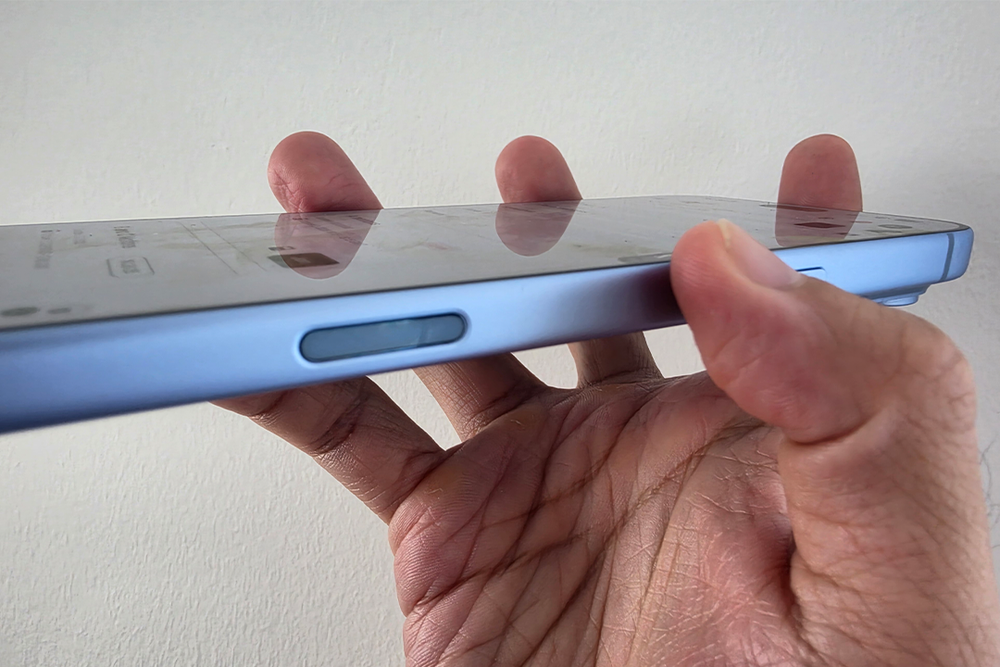
There’s also a new button on the iPhone 18 Pro that you don’t get on the iPhone 15 Pro. The camera control button sits on the bottom right of the phone and lets you quickly launch the camera app, zoom by swiping up and down on the touchpad, snap pictures and record videos. It was first introduced on the iPhone 16 Pro. The other big design change is the Dynamic Island. The smallest it’s ever been; it can now display three live activities at once. The action button still lives on the left side of the phone.
And as mentioned earlier, the colours are a little more playful too. The iPhone 15 Pro came in black titanium, white titanium, blue titanium and natural titanium, which were, well, slightly boring. While the colours aren’t as fun as the iPhone 17 Pro, they’re still far more adventurous than the 15 Pro colours. It comes in burgundy, glacier blue, silver and black. I’m in love with the glacier blue colourway.
While the design alone probably isn’t worth upgrading for, you might appreciate the larger and brighter display, better outdoor visibility and new Camera Control button. The main thing you’ll notice when upgrading is the heft. But it’s all there for a reason – the aluminium unibody helps dissipate heat more effectively, and the redesigned chassis makes room for a larger battery.
iPhone 15 Pro vs iPhone 18 Pro: Cameras
Spec-wise, camera technology should date the quickest, but in reality, the iPhone 15 Pro’s main camera is honestly just about as good as the iPhone 18 Pro’s one. Despite being three years old, shots I took on the iPhone 15 Pro and iPhone 18 Pro looked almost identical.. Yes, the iPhone 18 Pro’s camera array is technically more capable, but that really only plays a part if you’re a heavy zoom user, or like low-light photography and manually controlling your photography. Otherwise, the main camera takes just as good pictures on the 15 Pro as the 18 Pro.
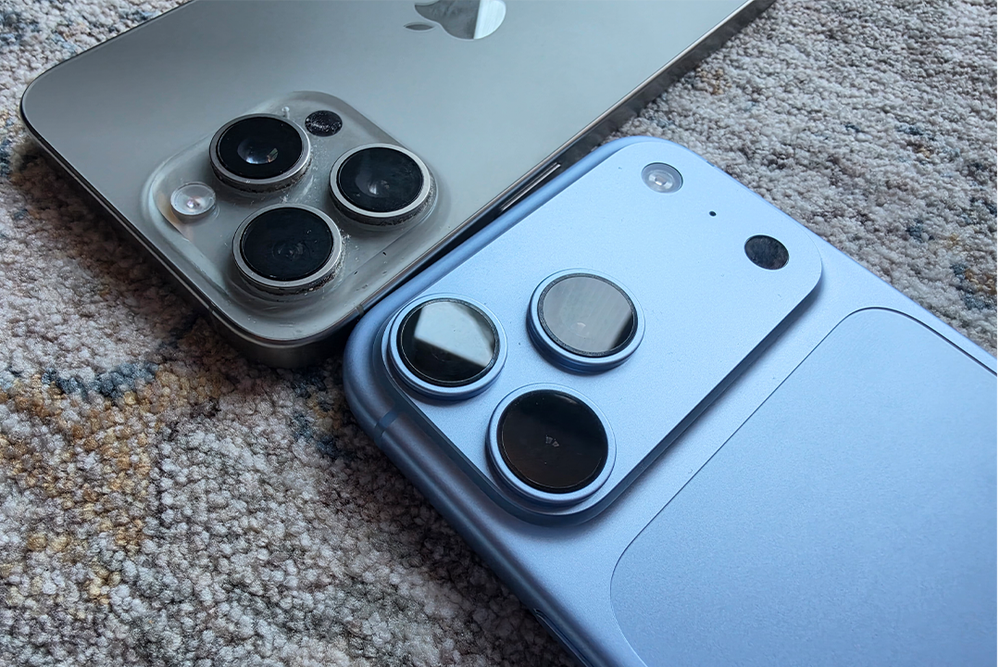
The iPhone 15 Pro boasts a 48MP main camera, a 12MP ultrawide and a 12MP telephoto with 3x optical zoom. Sounds respectable, right? Takes decent enough pictures. Well let me introduce you to the iPhone 18 Pro. All three rear cameras now feature 48MP sensors. The 48MP telephoto provides a 4x optical zoom, as well as an 8x optical-quality zoom. You can even push the digital zoom all the way to 40x.
But the most exciting feature has to be the iPhone 18 Pro’s variable aperture, the first iPhone to boast the pro-grade photography feature. There are six physical blades that can adjust how much light reaches the sensor, so you can flick between f/1.48, f/1.8, f/2.8 and f/4.0. If you look at the camera as you shift between the aperture settings, you can even see the camera blades opening and shutting.
The aperture essentially controls how much light gets into the camera and the depth of field. The lower the number, the more light gets in and the shallower the depth of field, while a higher number lets in less light but keeps more of the scene in focus.
I tested the difference by photographing a model boat at f/1.48 and f/4.0, positioning various objects behind it to test depth of field. At f/1.48, a coffee pot and flowers behind had blurred out of focus – just as intended,, but switching to f/4 slightly sharpened everything in shot, although it’s not a huge difference to be quite frank.
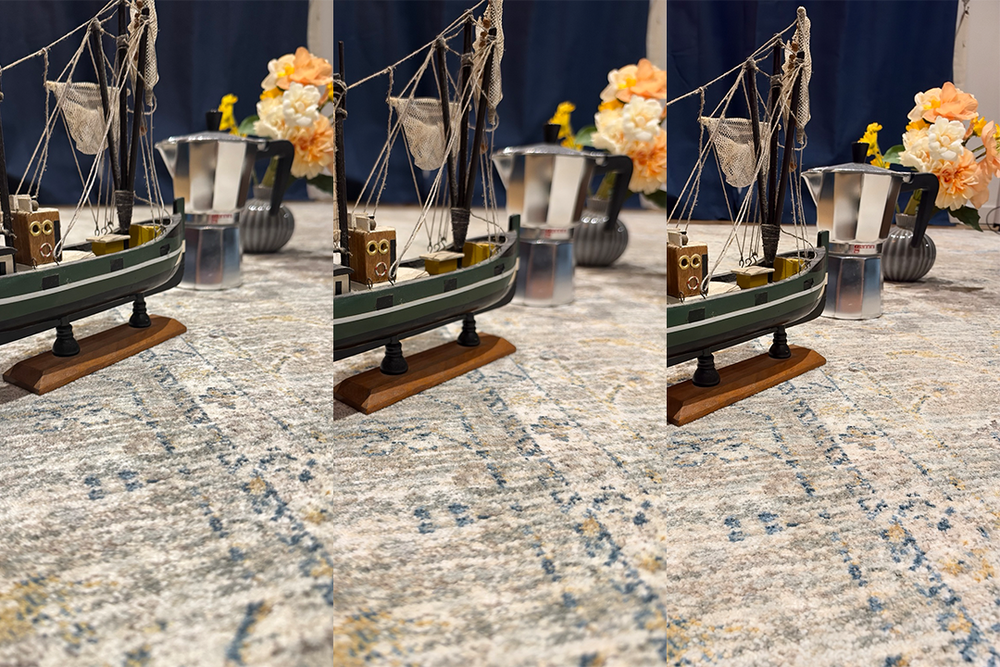
If you like the slight blurring of the background, the iPhone 15 Pro’s fixed f/1.78 aperture produced a similar shallow-depth-of-field effect to f/1.48, but it’s more difficult to achieve the f/4.0 sharper depth of field on the iPhone 15 Pro. Confused? Leave it on auto and the iPhone will adjust it for you.
There are even more pro controls beyond variable aperture. You can tinker with the shutter speed and white balance, and even bring up a histogram in the Camera app. You just gain a load more control.

And if you take a lot of selfies (no judgment), that one’s had an upgrade too. The fairly lacklustre 12MP selfie camera on the iPhone 15 Pro has gone. The iPhone 18 Pro now features an 18MP square sensor, meaning you can take portrait or landscape snaps without having to rotate your phone and even automatically expand the frame if you’ve got multiple people in the shot.
If you’re a fan of photographic styles – I love high-contrast pics myself – the iPhone 18 Pro now lets you play with the texture and grain of your photos to make your pictures look more like film. You can also add cinematic effects to a regular video after you’ve recorded it as well. Apple has also added smart focus tracking so you can easily follow moving subjects. It’s pretty cool to see it track someone even if they leave and re-enter the frame.
There’s also Apple’s new Apple Reference Image feature, which is important in the age of AI, recording sensor data so you can verify what the camera actually captured.
If you’re a hardcore photography nerd, the camera is one of the main reasons to upgrade to the iPhone 18 Pro, but only really because of the control you get. Regular 1x photos aren’t that much better on the newer phone. You get a much improved zoom, better low-light photography, a higher-resolution ultrawide and telephoto. The variable aperture is great for people who like to tinker, letting you control the depth of field for the first time.
iPhone 15 Pro vs iPhone 18 Pro: Performance
If you’re rocking the iPhone 15 Pro, I wouldn’t say performance is a real reason to upgrade to the iPhone 18 Pro. The iPhone 15 Pro was the first iPhone to feature Apple’s A17 Pro chip, and three years on, it’s still blazing fast. Still, there has been a three-generation jump in performance, so if you are somehow finding it sluggish, the iPhone 18 Pro’s A20 Pro chip might serve you well.
The A20 Pro chip is built on an all-new 2nm process and features a six-core CPU, seven-core GPU and a new 32-core Neural Engine for more demanding on-device AI features. Apple says the CPU is up to 80 per cent faster than the A17 Pro, with the Neural Engine doubling in size from the 16-core version inside the iPhone 15 Pro.
You aren’t going to notice a difference if all you do is doomscroll through Instagram and Reddit, but you’ll really notice the difference if you play demanding games or if you’re editing a lot of videos – something I have noticed with large 4K video files. It’ll also help with AI tasks.
One thing you might notice, however, is less slow-down when the phone gets hot. My iPhone 15 Pro Max can become almost unusable at times when it’s burning through tasks, but with the 18 Pro, you’ll notice that heat dissipates more effectively thanks to a new vapour chamber. It helps draw heat away from the A20 Pro chip. So when it does heat up, it’s less likely to put a dent in performance.
It’s a future-proofing thing more than anything, but if you find yourself getting annoyed with your current iPhone’s sluggishness, the iPhone 18 Pro will help.
The iPhone 18 Pro also features Apple’s N1 wireless chip, which brings onboard wifi 7 and Bluetooth 6, an upgrade on the wifi 6E and Bluetooth 5.3 featured on the iPhone 15 Pro. There’s also a new Apple-designed C2 modem on the inside, which provides faster cellular performance than the Qualcomm chip in the iPhone 15 Pro.
iPhone 15 Pro vs iPhone 18 Pro: Battery life and charging
Of all the reasons to upgrade from an iPhone 15 Pro, battery life is probably up there, especially if you’ve had yours for three years and you’re struggling to get through a single day without having to plug in.
Even then, if you bought the iPhone 15 Pro brand new today, you’d still get less battery life than the iPhone 18 Pro. The iPhone 15 Pro is rated for up to 23 hours of video playback on a single charge and 20 hours of streamed video – impressive, sure, but that pales in comparison to the iPhone 18 Pro. The newest iPhone is rated to last up to 34 hours of video playback and 31 hours of streamed video on a single charge.
It’ll charge much faster as well. The iPhone 15 Pro can reach 50 per cent in 30 minutes with a 20W adapter or higher, but the iPhone 18 Pro can reach 50 per cent in half the time – 15 minutes when using a 60W adapter or higher. And it’s not impossibly slow when charging using MagSafe either, reaching 50 per cent in 30 minutes.
Should you upgrade to the iPhone 18 Pro?
Three years might not seem like a long time, but it’s a very long time in tech years. The iPhone 15 Pro is still a superb phone, and if your battery is still going strong, you’re still pleased with the camera quality and it’s still running fast and snappy, there’s no real need to upgrade. It even supports all the iOS 27 Apple Intelligence features, so you don’t need to worry about not getting those cool Siri features by sticking with your iPhone 15 Pro.
But personally, my iPhone 15 Pro has never felt older sat next to the iPhone 18 Pro. With longer battery life, a brighter and larger display and a new pro camera system with all the manual controls you could want, it’s a worthy upgrade over the 15 Pro. The variable aperture is really nice if you want more creative control over your shots, although you won’t see much difference for regular point-and-shoot photography.
So, is it worth upgrading? If your iPhone 15 Pro is starting to show its age, I think three years is a pretty sweet spot to make the switch. But if you’re still getting through the day with battery in the tank, I wouldn’t blame you for sticking with it for another year, more so if you’re happy with the camera and charging speeds. If so, maybe wait for the 20th-anniversary edition – it’s predicted to be a big one. Can’t wait that long? The iPhone 18 Pro is the best iPhone Apple’s ever made – and it’s been refined to an inch of its life.
Best iPhone 18 Pro deals
iPhone 18 Pro with 100GB of data, 24-month contract: £44.99 per month, £199 up-front, Carphonewarehouse.com
The best iPhone 18 Pro deal out right now is from Carphone Warehouse. You can get the phone with 100GB of data for £44.99 per month with a £199 up-front cost. The contract is with iD Mobile, which runs on the Three network. It also includes unlimited calls and texts, data rollover and data roaming. Carphone Warehouse will also give you up to £480 when you trade in your current handset. Over the course of the 24-month contract, you’ll pay £1,321.96 for 100GB of data on the handset.
For more, we’ve compared the iPhone 18 Pro and iPhone 17 Pro