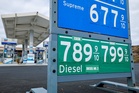
For months, U.S. consumers have been squeezed by higher energy prices following the outbreak of the Iran war. The average price of a gallon of gasoline has climbed $1.26 over the past year, while diesel is up $2.74 a gallon. Soaring jet fuel costs have also driven up airfares.
With winter approaching, those pressures could soon reach home-heating bills, particularly for millions of households in colder parts of the country.
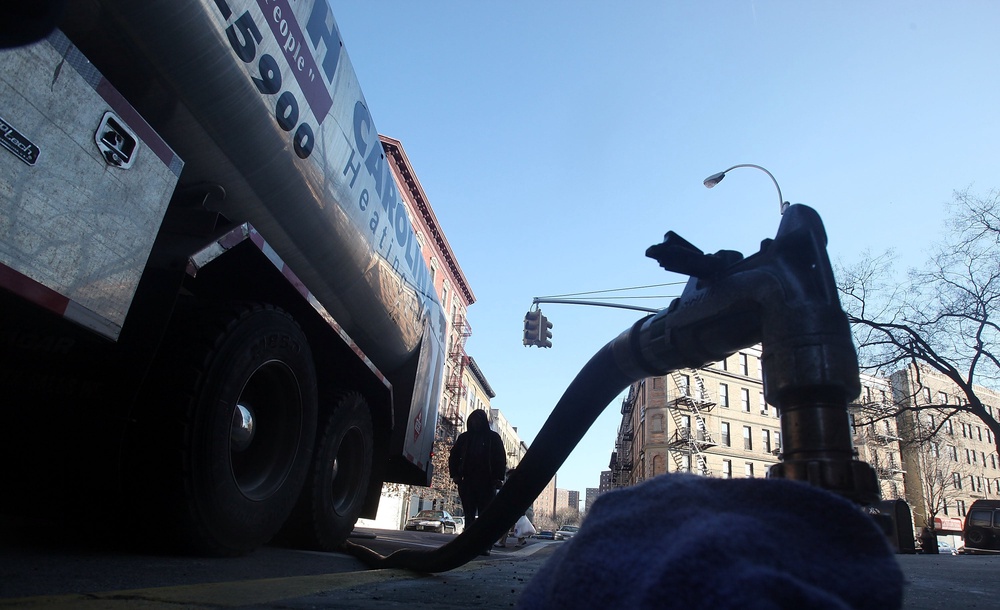
The steepest increases are expected for households that use heating oil, which has surged in price by about 60 percent since the war broke out in late February, The New York Times reported. Americans who warm their homes with natural gas or electricity — a far larger share of households — are expected to see less significant increases.
“It’s going to be a much more expensive winter,” Mark Wolfe, executive director of the National Energy Assistance Directors Association, told the Times. “Those numbers, if you’re middle class, that’s a significant hit to your budget.”
Heating oil — which is derived from crude oil and is similar to diesel — is used by roughly 3 percent of U.S. households, the vast majority of which are located in the Northeast. Many Alaskans also rely on heating oil.
One week before the U.S. and Israel attacked Iran, the average price for a gallon of heating oil stood at $4.10. One month later, it leapt to $5.54, and the cost has risen further since then.
For instance, on September 14, the average price per gallon in New York State was $6.14 per gallon, according to state officials. By comparison, one year earlier, it stood at $3.70.
With winter still months away, Americans face uncertainty over heating costs, in part because of the unknowns surrounding the war’s final outcome. President Donald Trump — who has called higher fuel prices a “small price to pay” for the war with Iran — said this week that the conflict could end soon.
The winter heating season runs from October to March, according to the U.S. Energy Information Administration.
As they try to avoid locking in high prices, many consumers are calling oil suppliers and weighing how best to manage their heating costs.
“There’s definitely been people trying to hold off that way or make plans of getting a minimum amount of gallons delivered at this point, hoping to stretch it till the next time, hoping that’ll be a little bit lower in cost,” Rose Friedlander, a marketing manager for the Energy Co-op of Vermont, told the Times.
Meanwhile, households that use electricity or natural gas to heat their homes may see more subtle cost increases this winter.
Natural gas, which is used by roughly 47 percent of U.S. households, is available in abundance, with no supply shortages on the horizon. The U.S. is the world’s largest producer of natural gas.
“We’re really, very well supplied for natural gas, and that’s where you see prices where they are,” Matt Smith, the director of commodity research at Kpler, told the Times.
In fact, the wholesale price of natural gas was lower in September than it was a year earlier, although the cost of gas delivered to households has risen by a few percentage points.
Homes that rely on electricity are also likely to face small increases this winter. The average national residential electricity rate was about 18.3 cents per kilowatt-hour in June, marking a roughly 5 percent year-over-year increase.
Some 42 percent of U.S. households use electric heaters or heat pumps, according to the outlet.
Read MoreNearly all goods and services have seen prices spike in last 5 years
Pay raises from job switching hit three-year high - and Trump could be behind it