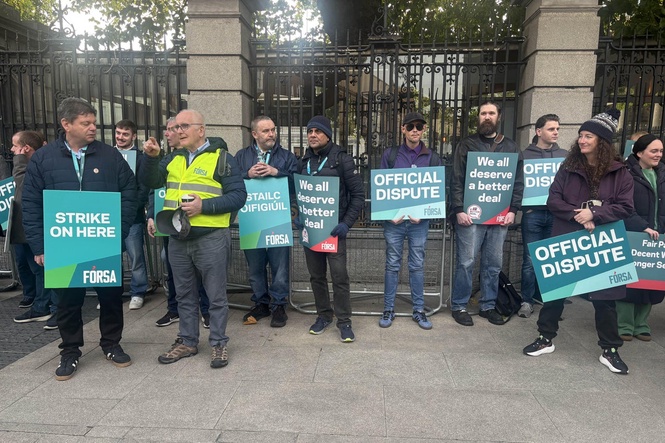
A public sector strike which had been planned to take place in Ireland on Thursday has been suspended after trade unions agreed a new draft pay deal with the Government.
Following talks which concluded in the early hours of Wednesday, the proposals will deliver public sector pay increases of 10.75% over two years and nine months in a deal that will run to March 2029.
The planned industrial action would have taken place on the same day as the European Political Community (EPC) summit on Thursday.
In a statement, the Public Services Committee of the Irish Congress of Trade Unions said a draft agreement had been reached.
It said: “The new agreement was negotiated following the expiration of the last public service pay agreement at the end of June.
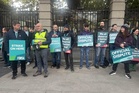
“It follows work-to-rule action across public services since 30th September, public service-wide strike action on Wednesday 14th October, and a planned public service strike for Thursday 12th November.
“The Public Services Committee has recommended that unions suspend the strike action and other industrial action to allow affiliates to consider the document and arrange ballots.”
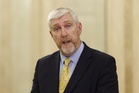
Kevin Callinan, general secretary of Fórsa, said that the deal will not be accepted in a “landslide”.
Asked what will happen if the agreement is rejected by union members, Mr Callinan told RTÉ’s David McCullagh show: “I think if the deal is rejected, you have a situation where you go back to individual unions to address that situation.
“I think one thing I can say with pretty much confidence, I don’t think this deal is going to be accepted in a landslide.
“There are a lot of issues out there, but I think what we have done as a trade union movement is we’ve brought people together. I think they’ve seen their collective power.
“They can see that if you actually come together and do something about trade unions, you can make a difference, and that’s a message not just for public service. That’s a message for all workers.”
He added that many public servants think the Government is “out of touch”.
“I think the real message I’d like to deliver this morning is that it’s going to require more than a pay offer from the Government to repair, I suppose, the relationship between public servants and the Government,” he added.
“It’s very clear to me that many, many public servants have felt that the Government was out of touch with their daily reality in terms of not just cost of living, but, obviously, like every other worker, people are struggling with the cost of living.
“But one of the things that came really loud and clear on the picket lines was just how much people were under pressure at work, struggling with resourcing deficits in some cases, and increased demand.”
The deal includes a number of pay terms:
September 1 2026 – a pay adjustment of 2% or a minimum payment of 1,200 euro, whichever is the greater.
April 1 2027 – a pay adjustment of 1%.
August 1 2027 – a pay adjustment of 1% or a minimum payment of 600 euro, whichever is the greater.
November 1 2027 a pay adjustment of 1.5% or a minimum payment of 900 euro, whichever is the greater.
March 1 2028 – a pay adjustment of 1%.
June 1 2028 – a pay adjustment of 1% or a minimum payment of 600 euro, whichever is the greater.
October 1 2028 – a pay adjustment of 1%.
March 1 2029 – implementation of the second phase of ‘local bargaining’ of 1%.
March 2 2029 – a pay adjustment of 1.25% or a minimum payment of 750 euro, whichever is the greater.
The final phase of “local bargaining” will be implemented during the lifetime of the successor agreement to this agreement.
The agreement ends on 31st March 2029.
Trade unions will meet over the coming days to analyse the agreement ahead of an expected national ballot.
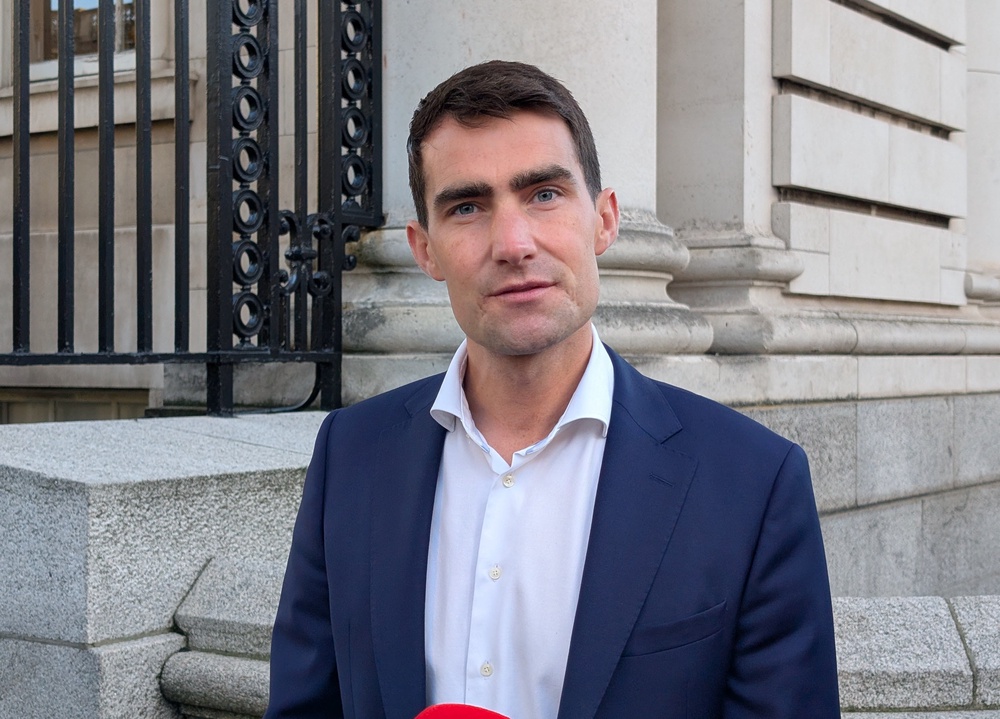
Minister for Public Expenditure Jack Chambers welcomed the pay deal.
He said: “The Government has consistently sought to reach an agreement with public service unions and associations that achieves the correct balance between continued investment in the delivery of our public services and an approach to public service pay that is fair and affordable.
“The proposed agreement is fiscally sustainable and consistent with the Government’s medium term fiscal and expenditure plan, providing certainty for public servants as well as the Government and public service users over the period covered by the agreement.”
Read MorePeople in denial about ageing and unaware of social care costs – review leader
The pensioners eligible for £300 winter fuel payment this year
Interest rates should rise to 5% to control inflation, says think tank
'Threatening' emails sent to hundreds of schools across Northern Ireland
David Walliams latest: Jonathan Ross ‘horrified’ by allegations
Princess Kate opens up about recovery from cancer in rare interview