
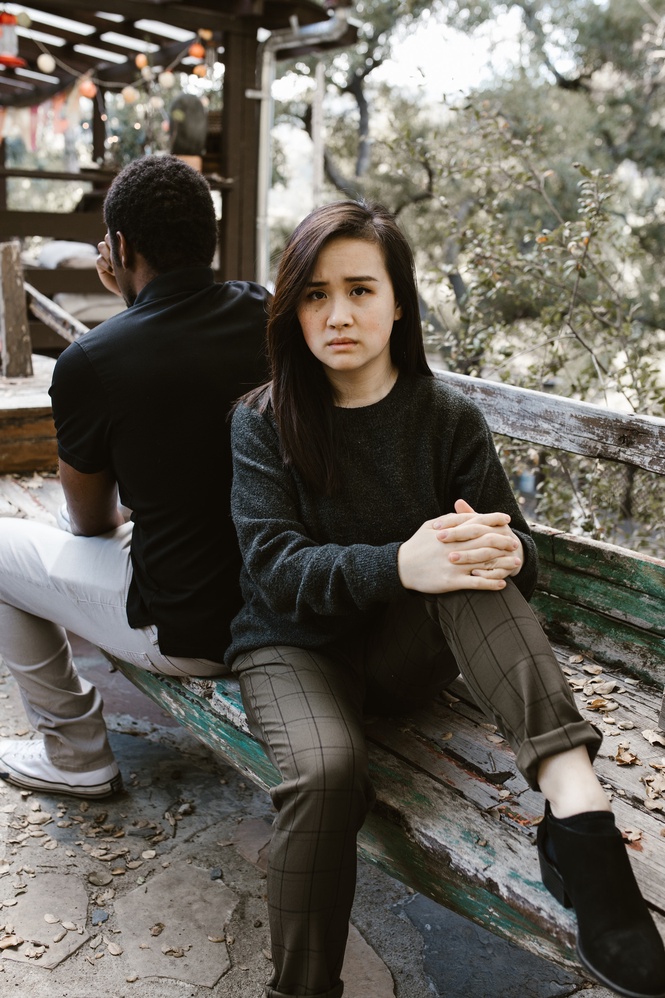
Unraveling the Dilemma in a Shifting Social Landscape
In an era of rapid social transformation and evolving gender dynamics, the institution of marriage finds itself under scrutiny. As societal norms continue to shift, the question arises: Is marriage becoming outdated? In this article, we delve into the arguments presented by proponents and critics of marriage, analyzing global trends while also examining the unique context of South East Asia, with a focus on Malaysia.
Tradition and Stability
Marriage has long been regarded as a fundamental pillar of society, offering stability, companionship, and a framework for family life. Supporters argue that the institution provides a sense of commitment, creating a conducive environment for raising children and fostering emotional security.
Traditionally, marriage has held strong cultural and religious significance in many Southeast Asian countries, including Malaysia. The preservation of cultural values and family honor is often tied to the institution of marriage. Families place great importance on arranged marriages, which aim to strengthen social connections, ensure economic stability, and maintain the integrity of the community.
Moreover, marriage continues to offer certain legal and financial benefits. In many jurisdictions, married couples enjoy tax advantages, inheritance rights, and access to healthcare and insurance benefits. These practical advantages, coupled with societal expectations, contribute to the endurance of marriage as a social institution.
Evolving Attitudes and Individual Autonomy
Critics of marriage argue that it no longer aligns with the changing values and expectations of individuals. The rise of feminism and the pursuit of gender equality have challenged traditional gender roles and the notion of women as property in marriage. As women gain greater educational and career opportunities, they are increasingly prioritizing personal growth, independence, and autonomy over traditional marital commitments.
Furthermore, the stigma surrounding divorce is fading in many societies, encouraging individuals to reconsider their options. The availability of alternative relationship models, such as cohabitation or civil partnerships, provides flexibility without the legal and social constraints associated with marriage. These options often cater to the needs of couples who seek emotional connection and commitment without conforming to traditional norms.
Trends and Statistics
While the debate on the relevance of marriage varies across cultures, global statistics shed light on the prevailing attitudes towards the institution. According to a 2020 report by the United Nations, the global marriage rate has been steadily declining over the past decades. In 1970, the average global marriage rate stood at 9.9 marriages per 1,000 people, while by 2019, it had dropped to 4.8 marriages per 1,000 people.
In South East Asia, the decline in marriage rates is notable. A study conducted by the World Bank revealed that the average age at first marriage has increased in the region, reflecting a shift towards delayed or deferred marriage. In Malaysia specifically, the same trend is observed. In 1970, the median age at first marriage for women was 20.7 years, but by 2019, it had risen to 26.7 years.
Malaysia's Perspective
Examining the specific context of Malaysia, we find a blend of traditional and modern values. Although marriage is still widely practiced and valued, trends indicate a shift in attitudes among the younger generation. A study conducted by the Malaysian Institute of Economic Research revealed that fewer young Malaysians view marriage as a priority compared to previous generations. Economic factors, changing gender roles, and the desire for personal fulfillment are among the key drivers behind this shift.
Moreover, the growth of urban centers and exposure to global influences have brought forth alternative relationship models. Cohabitation, once considered taboo, is now becoming more accepted, especially in urban areas. The 2019 Population and Housing Census conducted by the Department of Statistics Malaysia reported an increase in the number of unmarried couples living together, particularly among the younger population.
So how now?
The question of whether marriage is outdated is complex and multifaceted, with arguments on both sides holding weight. While marriage continues to play a significant role in many societies, including Malaysia, shifting social norms and individual aspirations have led to a reevaluation of its relevance.
As we navigate a changing social landscape, it is essential to recognize the diversity of choices and respect the autonomy of individuals. Whether one chooses to embrace marriage or pursue alternative forms of commitment, the evolving attitudes towards marriage signify a greater emphasis on personal fulfillment, equality, and individual agency.
In the end, the decision to marry or not remains deeply personal, reflecting the values, aspirations, and circumstances of the individuals involved.
Sajeet is a content creator under the Newswav Creator programme, where you get to express yourself, be a citizen journalist, and at the same time monetize your content & reach millions of users on Newswav. Log in to creator.newswav.com and become a Newswav Creator now!
The User Content (as defined on Newswav Terms of Use) above including the views expressed and media (pictures, videos, citations etc) were submitted & posted by the author. Newswav is solely an aggregation platform that hosts the User Content. If you have any questions about the content, copyright or other issues of the work, please contact Newswav.