

The World and Climate Change: The Paris Agreement
2015 marked a watershed moment for planet Earth and all its inhabitants as leaders, businesses and NGOs gathered in Paris from 30 November to 13 December 2015 (Fig 1) to discuss and decide on solutions to combat climate change at the twenty-first session of the Conference of the Parties to the United Nations Framework Convention on Climate Change (COP21).
COP21 introduced the Paris Agreement which entered into force on 4 November 2016 with an overarching goal to hold “the increase in the global average temperature to well below 2°C above pre-industrial levels” and pursue efforts “to limit the temperature increase to 1.5°C above pre-industrial levels.”
The State of Planet Earth : The Global Stock Take (GST) at COP28 held in Dubai, UAE
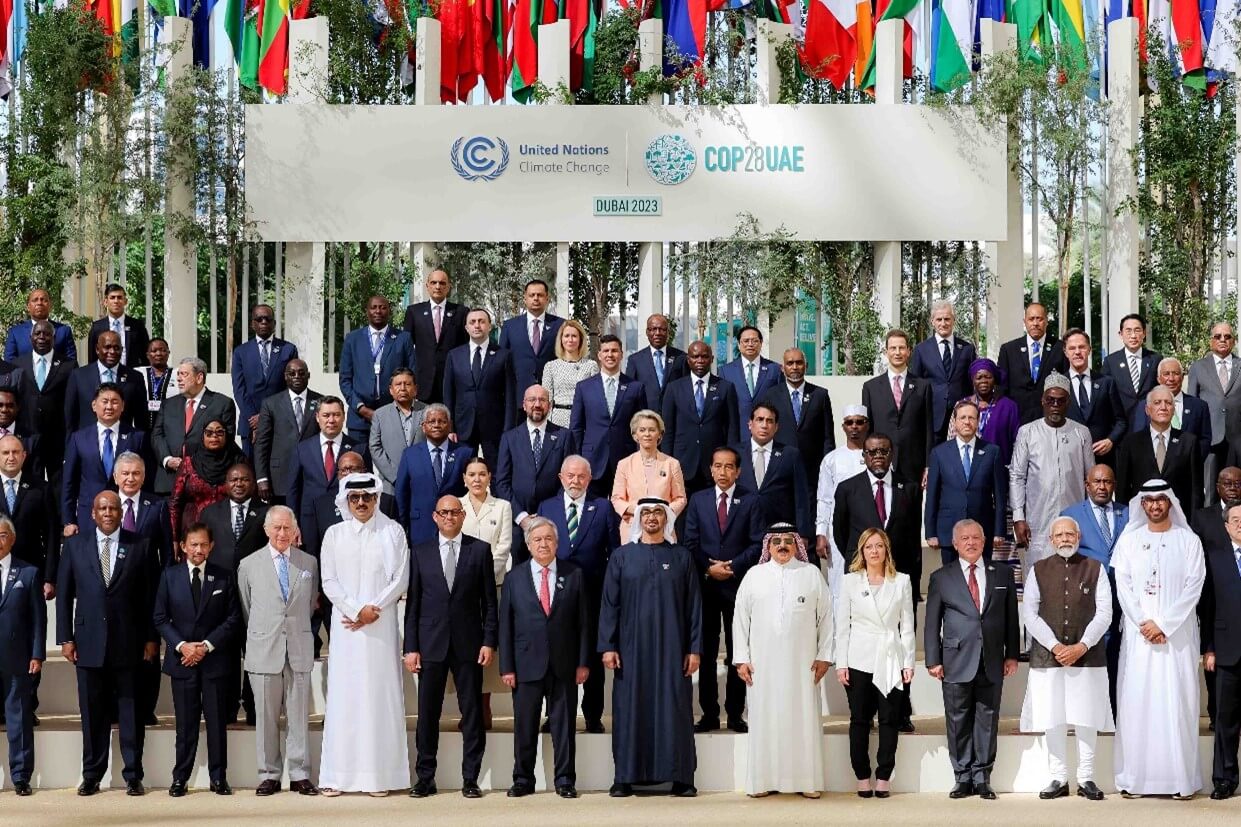
UNFCC had reported that at COP 28 held in Dubai, the United Arab Emirates, from 30 November to 13 December 2023, (Fig 2) the first Global Stock Take (GST) was conducted.
Grantham Institute highlighted that the GST evaluates progress against the three long-term goals of the Paris Agreement, listed under Article 2, covering; Drastically reduce greenhouse gas emissions to keep global temperature rise below 2°C and ideally 1.5°C (Article 2.1.a), Build resilience and reduce vulnerability to climate impacts (Article 2.1.b) and Secure finance and support for low-carbon and climate-resilient development (Article 2.1.c).
When the first GST has been completed, a two-year process to 2025 will begin, during which countries will be required to update their NDCs. The same will then happen after each round of the GST.
The GST is thus crucial to the so-called ‘ratcheting up’ mechanism that is a key part of the process for meeting the Paris Agreement goals.
GST and its affirmation that The World is not on track to limit global warming to 1.5 degrees Celsius and the window for meaningful change quickly closing
The UNFCC spotlighted that the first global stocktake affirmed that we are not on track to limit global warming to 1.5 degrees Celsius and the window for meaningful change quickly closing. It outlines bold actions for Governments and stakeholders to urgently undertake in this critical decade to keep 1.5 within reach, securing lives and livelihoods.
The UNFCC dovetailed that by evaluating where the world stands when it comes to meeting the goals of the Paris Agreement and using its inputs, the stocktake will help policymakers and stakeholders strengthen their climate policies and commitments in their next round of national climate action plans — including Nationally Determined Contributions (NDCs) and National Adaptation Plans (NAPs)NDCs, paving the way for accelerated action.
Alarming Worldwide events Post Cop28
a) Haj Pilgrims perished in Saudi Arabia
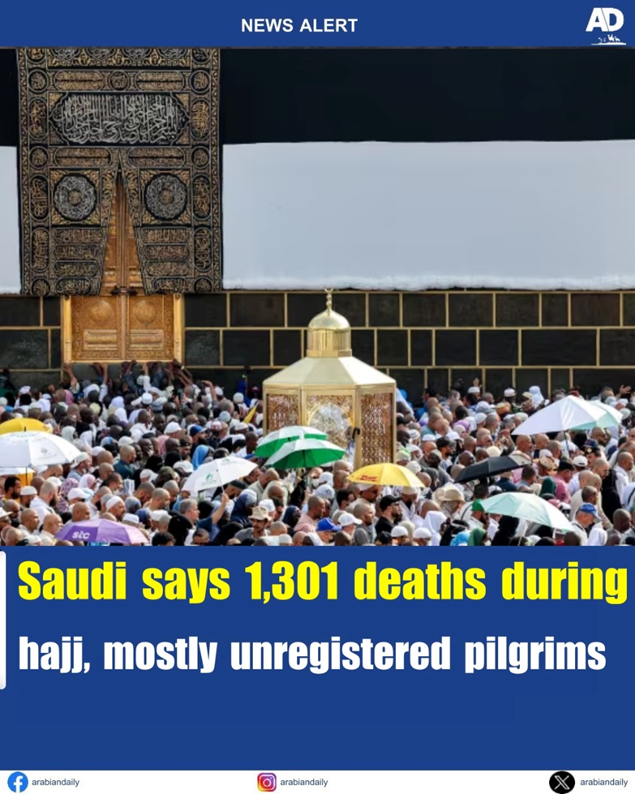
On 23rd June 2024, The Guardian had reported that more than 1,300 people died from scorching heat during the Hajj as temperatures soared to as high as 51.8C (125.2F) the highest during the annual Muslim pilgrimage in two decades. (Fig 3)
More Heat Deaths in Future?
France24 reported on 20 June 2024 that AFP’s news on Saudi hajj pilgrims' deaths highlight how extreme heat kills highlighted that medical journal the Lancet Countdown had reported that worldwide, people were exposed to an average of 86 days of life-threatening temperatures in 2022, according to the Lancet Countdown report last year and that the number of people over 65 who died from heat rose by 85 percent between the periods 1991-2000 and 2013-2022.
France24 further elaborated that according to Climate Action Tracker, on the current trajectory, the world is on track to warm about 2.7C above the pre-industrial average by the end of this century, which is way above the Paris Agreement target of 1.5C and that the Lancet Countdown projected that under a 2C warming scenario, about five times as many people will die from the heat each year by 2050.
Climate change caused by humans burning fossil fuels is increasing heatwaves and other extreme weather events.
b) Air Turbulences causing destructive air travels
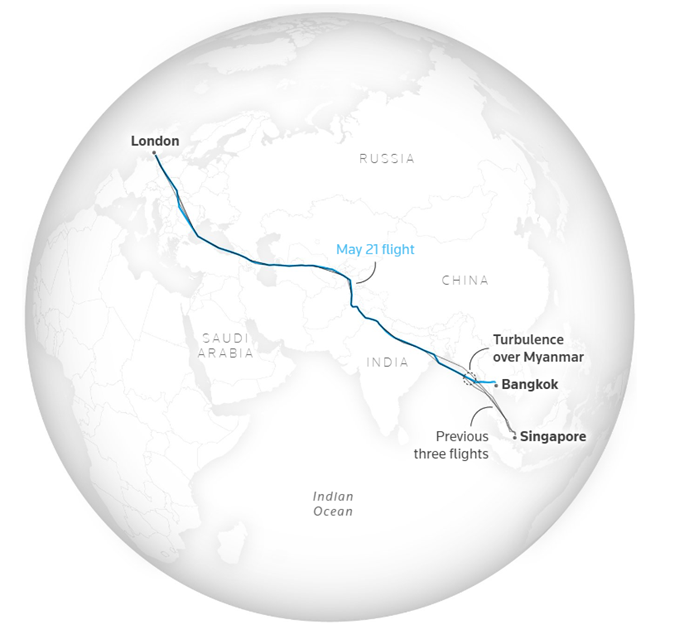
On 21st May 2024, Singapore Airlines flight SQ321, a Boeing 777-300ER, carrying 211 passengers and 18 crew members which departed London’s Heathrow Airport on 20 May 2024, enroute to Singapore , was flying at its cruise altitude of 37,000ft had hit severe clear air turbulence (CAT) over Myanmar (Fig 4).
This extreme turbulence had caused the plane to suddenly lurched upward and then plummeted into a “terrifying” freefall, tossing violently, flinging unbuckled passengers and crew around the cabin, and slamming some into the ceiling resulting in severe injuries and one death.
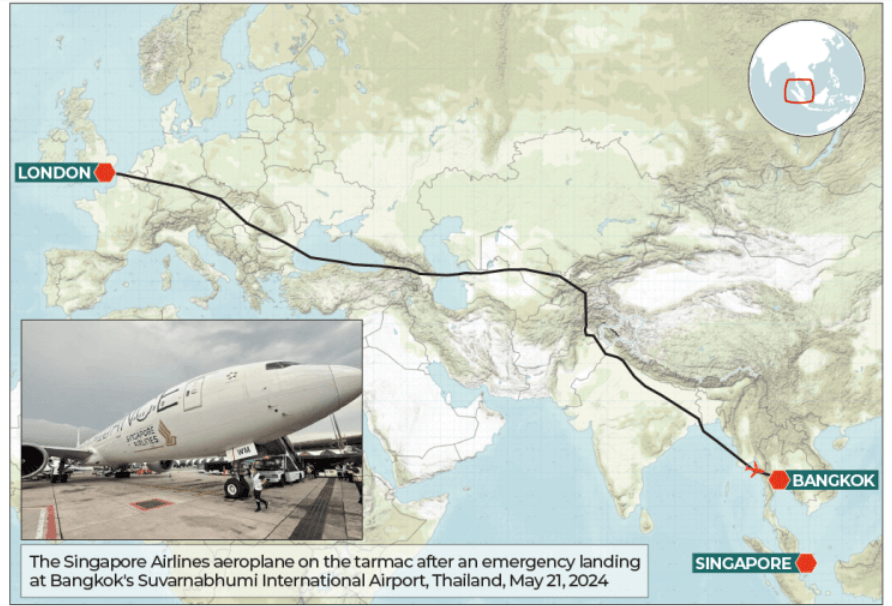
Reuters reported that arising from this mid-air chaos, the pilot declared a medical emergency and diverted the aircraft to Bangkok (Fig 5 and Fig 6).
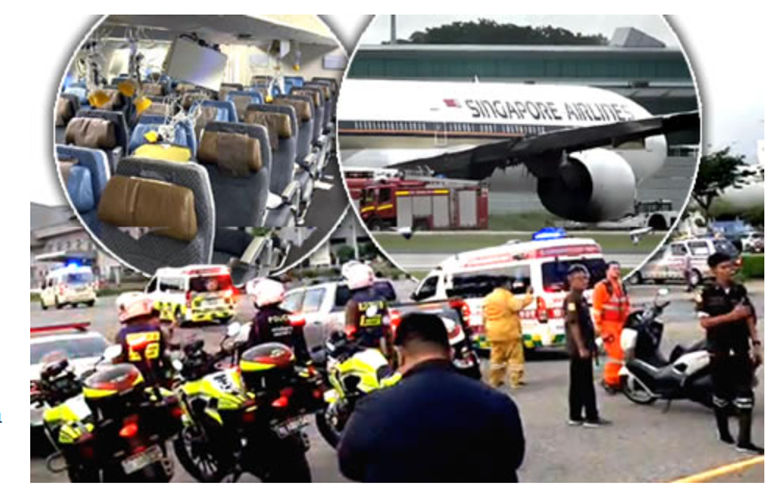
CNN reported that Samitivej Srinakarin Hospital in Bangkok, which received the injured passengers, said at least 71 people were injured, with six severely. Those injured include citizens of Malaysia, the UK, New Zealand, Spain, the US and Ireland
This incident has drawn attention to the dangers turbulence can pose and scientists has warned its occurrence could worsen with climate change.
Aviation sector and air travel will be further impacted by turbulances which are further aggravated by climate change
Paul Williams, a professor of atmospheric science at the University of Reading in England, shared that his research published in June 2023 showed strong evidence that turbulence is increasing because of climate change.
His research team discovered that severe clear-air turbulence (CAT) in the North Atlantic has increased by 55% since 1979. Severe turbulence in the jet streams could double or triple in the coming decades if global conditions continue as expected, he explained. The research further found moderate turbulence increased by 37%, and light turbulence increased by 17% during 1979 to 2020.
TTG Asia highlighted an editorial authored by Yann Cabaret, CEO of SITA for Aircaft, and published in July 2023 on the SITA site, stated that climate change has resulted in a rise in extreme weather events, which have a significant impact on aviation operations, including flight delays and compromised safety of passengers and crew members.
Climate change is increasing the severity and frequency of turbulence as the planet warms and winds intensify.
Call to Action
The above unprecedented events are causing grave concern and alarm to the world.
The State of the World’s Carbon Budget
The New York Times reported on 5 June 2024 during the United Nation’s Secretary-General's special address on climate action "A Moment of Truth" at the American Museum of Natural History in New York City, the United Nations secretary general, António Guterres had stressed that “The target of limiting long-term global warming to 1.5 degrees Celsius is hanging by a thread” (Fig 7).

António Guterres had pointed that almost ten years since the Paris Agreement was adopted, the world is spewing emissions so fast that by 2030, a far higher temperature rise would be all but guaranteed.
He drew attention to the fact that brand new data from leading climate scientists released show the remaining carbon budget to limit long-term warming to 1.5 degrees is now around 200 billion tonnes which is the maximum amount of carbon dioxide that the earth’s atmosphere can take if we are to have a fighting chance of staying within the limit.
António Guterres warned that we are burning through the budget at reckless speed – spewing out around 40 billion tonnes of carbon dioxide a year and opined that We can all do the math. And that at this rate, the entire carbon budget will be busted before 2030. He added We are playing Russian roulette with our planet, We need an exit ramp off the highway to climate hell. "
Call to Action
António Guterres called for urgent action in a number of areas, including slashing carbon dioxide emissions, adopting renewable energy, helping poor countries finance their climate plans, and clamping down on the fossil fuel industry.
Clamping down on and banning advertisements by Fossil Fuel Industry
On the last subject ( of clamping down on the fossil fuel industry.), Mr. Guterres reiterated past exhortations to end taxpayer subsidies for oil and gas. But he also turned his attention to a new target: He urged governments to ban advertising by fossil-fuel companies, comparing oil and coal producers to the tobacco industry, which faces advertising restrictions worldwide. And he urged the news media and tech companies to stop displaying their ads.
The New York Times further underscored that To scientists, the foremost driver of warming remains clear: Atmospheric levels of carbon dioxide, methane and nitrous oxide, the three most important human-caused heat-trapping gases, have continued their steady upward climb. At current rates of emissions, it might only be five or so more years before humans have altered the atmosphere’s chemistry so significantly that it becomes extremely difficult to stop warming from surpassing 1.5 degrees Celsius, scientists have estimated.
On the above note, NY Times shared that Several publications, including the Guardian newspaper, have stopped accepting fossil fuel advertising. The New York Times accepts ads from oil and gas companies with some restrictions, including prohibiting sponsorship of its climate newsletter and climate events, a company spokesman said. The Times also doesn’t allow fossil fuel companies to buy all of the ad spots on individual episodes of its podcast “The Daily.”
Nuclear Power and its Important Role in Mitigating Climate Change
On 21 March 2024 , world leaders gathered at the inaugural World Nuclear Energy Summit jointly organised by the International Atomic Energy Agency (IAEA) and Belgium, to share and commit on nuclear energy (Fig 8).
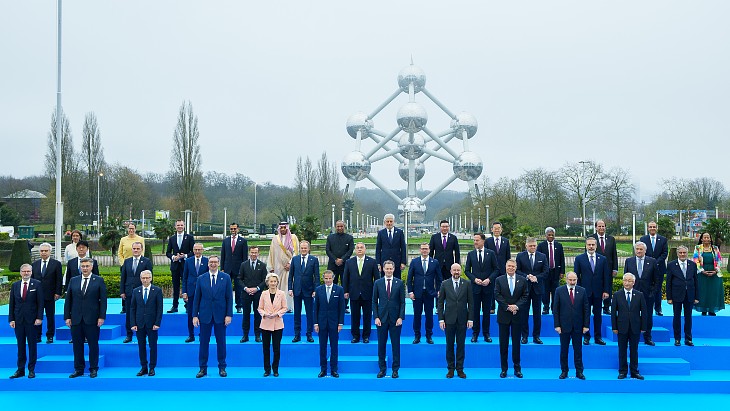
The International Atomic Energy Agency (IAEA) underscored that this Summit comes in the wake of the historic inclusion of nuclear energy in the Global Stocktake agreed at the UN Climate Change Conference (COP28) in Dubai in December 2023, which called for accelerating nuclear energy’s deployment along with other low carbon energy sources.
COP28 had recognized a key role for nuclear power in climate change, testimony of the Declaration by 22 World Leaders on the need to triple Nuclear capacity by 2050 to achieve net-zero emission goals
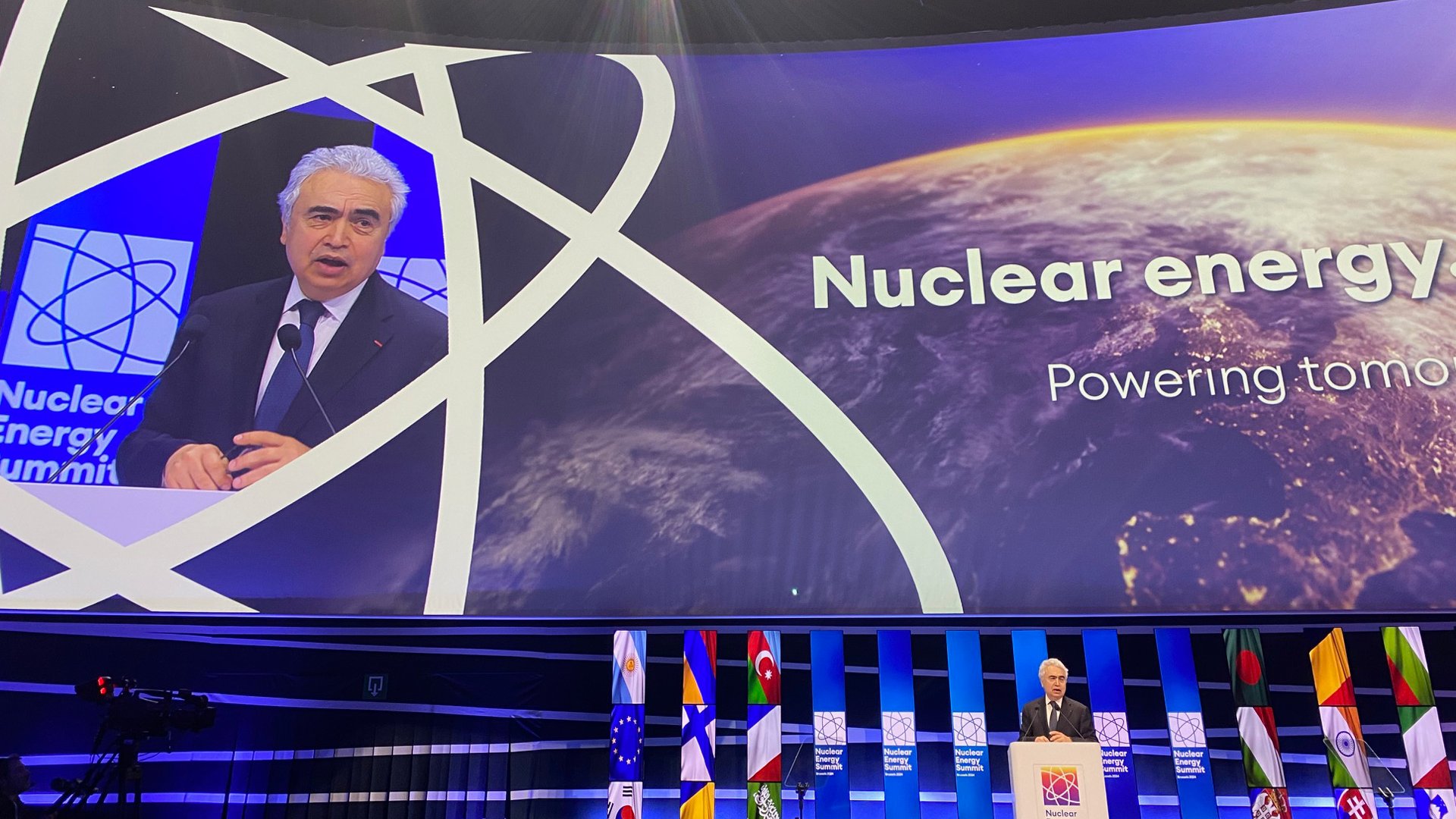
AP reported that the World Nuclear Energy Summit was held next to the 1958 Atomium, the 102-meter (335-foot)-tall construction of the nine iron atoms, which sought to promote the peaceful use of nuclear energy in the wake of the nuclear bomb explosions at the end of World War II and their use as a geopolitical deterrent ever since. It shared that Fatih Birol, executive director of the International Energy Agency strived to reinvigorate that peaceful mission.
Birol said “Without the support of nuclear power, we have no chance to reach our climate targets on time. Renewables will play the major role in terms of electricity, especially solar supported by wind and hydropower,”. “But we also need nuclear power, especially in those countries where we don’t have major renewable potential.” “We have to do whatever we can to increase the current nuclear capacity, which is currently only less than 10% of global electricity generation,”
Birol underscored that “Our priority must be to get out of coal and gas and move towards nuclear power and renewable energy.” (Fig9)
Sheriffah Dato Syed is a content creator under the Newswav Creator programme, where you get to express yourself, be a citizen journalist, and at the same time monetize your content & reach millions of users on Newswav. Log in to creator.newswav.com and become a Newswav Creator now!
The User Content (as defined on Newswav Terms of Use) above including the views expressed and media (pictures, videos, citations etc) were submitted & posted by the author. Newswav is solely an aggregation platform that hosts the User Content. If you have any questions about the content, copyright or other issues of the work, please contact Newswav.