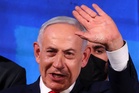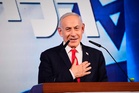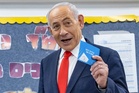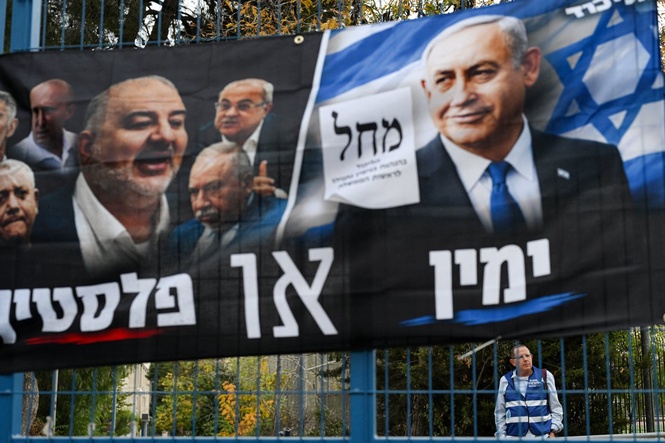
Israel’s election has ended in a deadlock as no party is on track for majority of the Knesset, exit polls have suggested.
The stalemate comes after three years of war waged in Gaza, Lebanon and Iran, which have plunged the Middle East into turmoil.
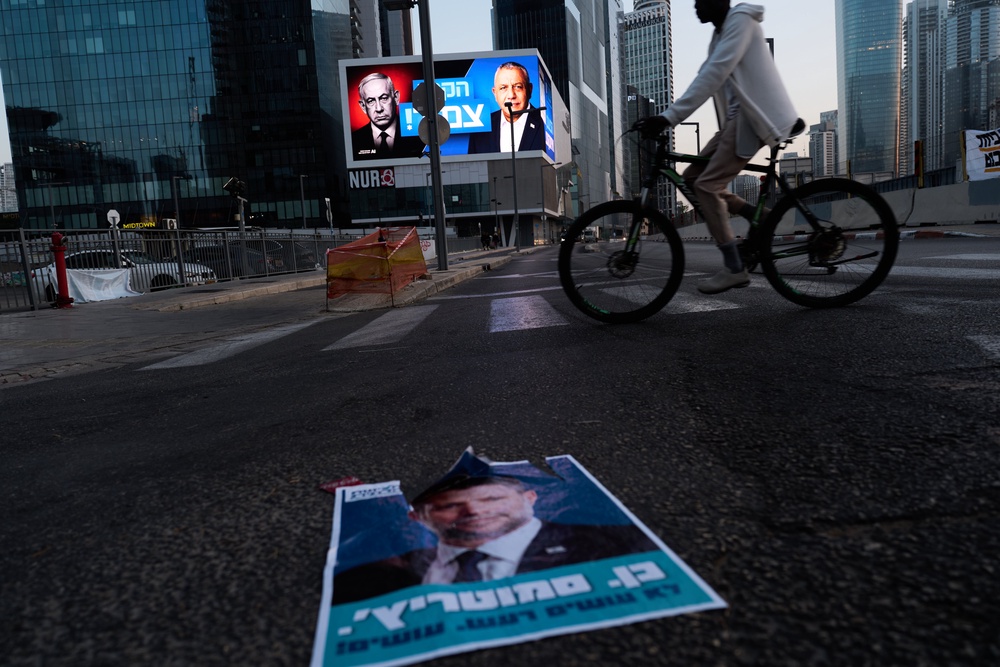
The election is widely seen as a referendum on Benjamin Netanyahu, who is seeking another term after a combined 19 years in power.
But now, the jostling for power between parties to achieve a governing coalition, and name the next prime minister, could take weeks or even months.
How does the Israel election work?
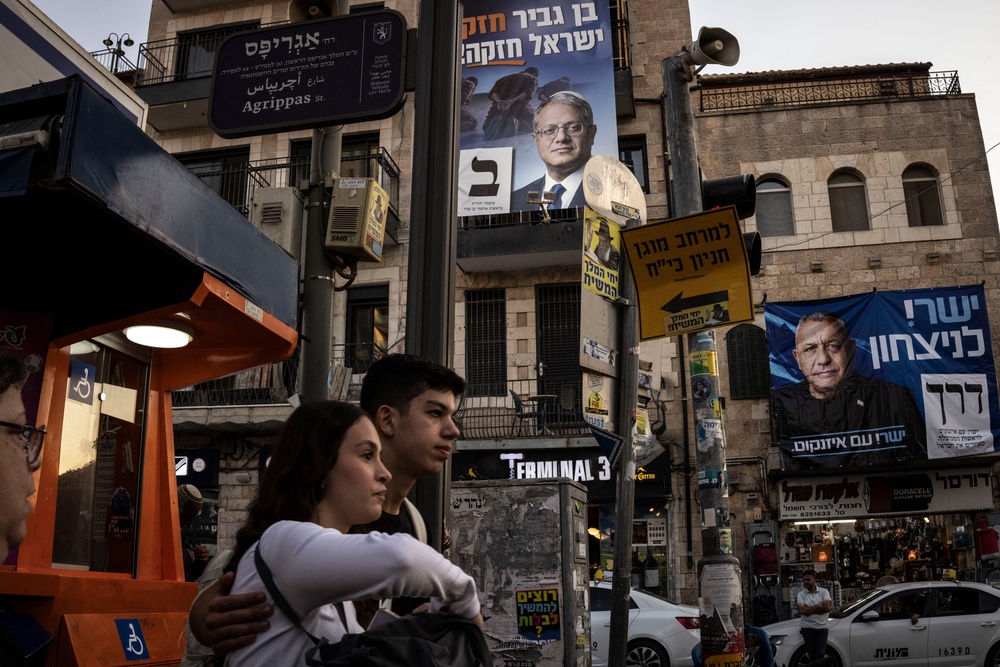
There are 38 different parties contesting the election, but most will not get enough votes to secure one of the 120 seats in the Knesset.
Israeli elections are based on nationwide proportional representation. Citizens cast votes for a single party – not for individual candidates – and the party’s number of seats is determined by the proportion of the national vote it receives.
To actually enter the Knesset, a party must receive at least 3.25 per cent of the vote, or four seats.
Historically, no single party has won a majority, so governments are formed by a coalition. If no one manages to form a coalition with a 61-seat majority, citizens return to the ballot box.
When will the final Israel election results be announced?
Polls opened at 7am local time and closed at 10pm that night (8pm GMT). An exit poll by Israeli TV channels revealed the initial results, but the official, full results will not be confirmed until Tuesday 4 November.
However, the whole process will take much longer, ranging from 20 to 100 days. In the past two decades, no government has been sworn in in less than 50 days.
After a coalition agreement is signed, the Knesset convenes a special session during which the designated prime minister presents the new government and its policy agenda.
A formal vote is then held, and if the new government wins the vote, it starts its tenure.
What are the main issues at stake in the Israeli elections?
The election is viewed domestically as one of the most consequential in the history of Israel.
The outcome could have profound consequences for Palestinians and Israel’s relations with neighbouring states, as well as international partners like the US and Europe.
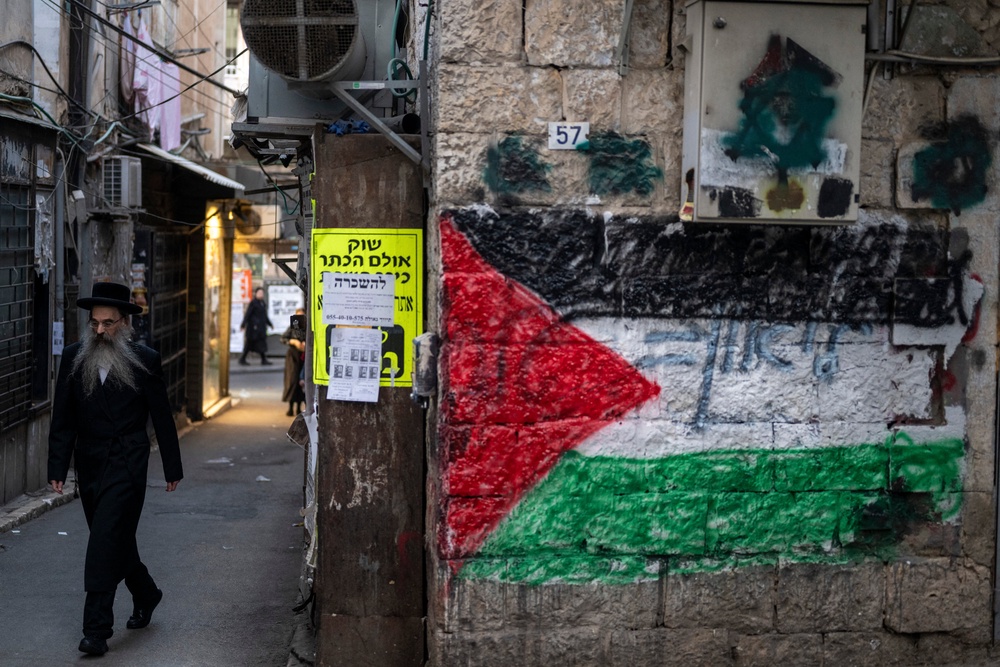
Some of the main issues centre on the debate over exemptions from military service for ultra-Orthodox Jews, how the state should investigate its inability to prevent the October 7 2023 Hamas attacks and future concessions in Gaza, the occupied West Bank and Lebanon.
Israel’s wars have also put pressure on the economy, so the cost of living will definitely weigh on people’s minds when casting their votes. For context, the state’s defence budget has doubled since 2023.
Who is leading the polls?
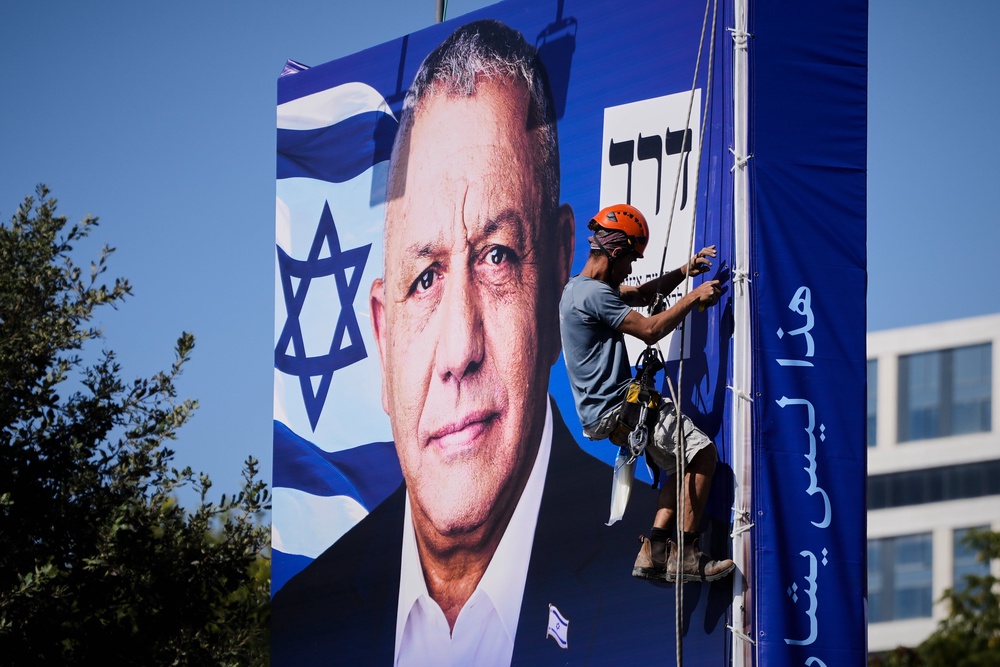
Two main blocs – of nearly equal weight – are facing off against each other. One is an alliance of far-right parties dominated by Netanyahu, and the other camp is led by Yashar’s Gadi Eisenkot, a former head of the Israel Defence Forces.
The current exit polls released by major Israeli TV stations suggested that Netanyahu’s bloc won 50 seats, the opposition won 52-53 and Arab parties won 17-18.
Dr Nimrod Nir, of Agam Labs, said that “the real political drama will begin the morning after the election”.
“Israel’s election is not a single game, but a tournament – and election day is only the opening round,” he added.
“Our polling suggests that neither bloc is likely to secure a governing majority, leaving three possible outcomes: a unity government bringing Netanyahu together with more liberal parties, an alternative coalition backed by Arab parties, or yet another election.”