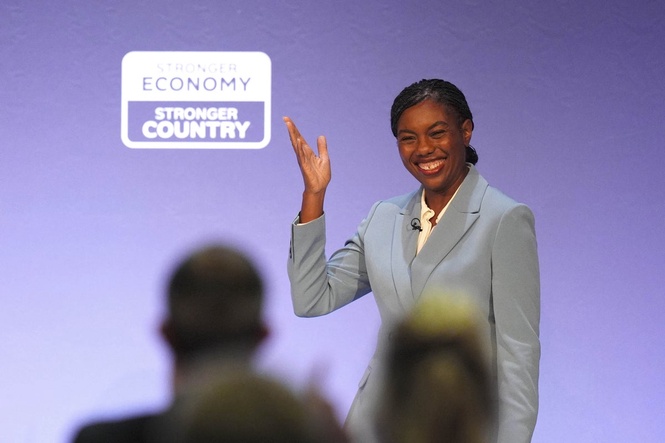
The Conservative Party that meets for its conference in Birmingham this week is in better spirits than at any time since they lost the last general election.
That, obviously, is a low bar, given that the debacle represented their poorest electoral performance since the Great Reform Act of 1832, and seemingly consigned them to the wilderness for years, if not decades.
However, the poisoned chalice that was passed to Kemi Badenoch by Rishi Sunak two years ago seems only to have invigorated her and her followers. Threatened with extinction, they have regained at least their composure, if not all their old born-to-rule swagger.
After an uncertain start during which she was patronised by Sir Keir Starmer and subjected to malicious speculation by her own colleagues about her future, the leader of the opposition has made remarkably strong progress with the public.
She now enjoys much improved recognition and rising personal ratings, while the reputations of the other principal opposition party chiefs – Nigel Farage, Ed Davey and Zack Polanski – are becoming tarnished.
She has seen off her more troublesome internal rivals and critics, such as Robert Jenrick and Suella Braverman, in what she cheekily calls some “spring cleaning”.
Over the past year she has also dispatched Sir Keir, scored some notable victories (the Mandelson scandal and the Chagos deal), and made the most of the many misfortunes of the Labour government.
She has come to sometimes dominate prime minister’s questions, though she is yet to get the measure of Andy Burnham.
On her right flank, Mr Farage and Reform UK have crumpled in the face of the kind of legitimate media scrutiny that any party with aspirations to govern should expect.
The comfortable polling lead Reform once enjoyed over the Tories has been squeezed; and, for the first time in half a century, the Tories managed to win a parliamentary by-election in Scotland, a small but significant breakthrough for morale well beyond Aberdeen South.
A recent refresh of her shadow ministers has promoted some young talent, and MPs such as Tom Tugendhat are deservedly back on the front line – though the sacking of Mel Stride as shadow chancellor has deprived the team of experience and a leading figure with an appeal to the kind of centre-ground voters they need to attract back from Labour and the Liberal Democrats.
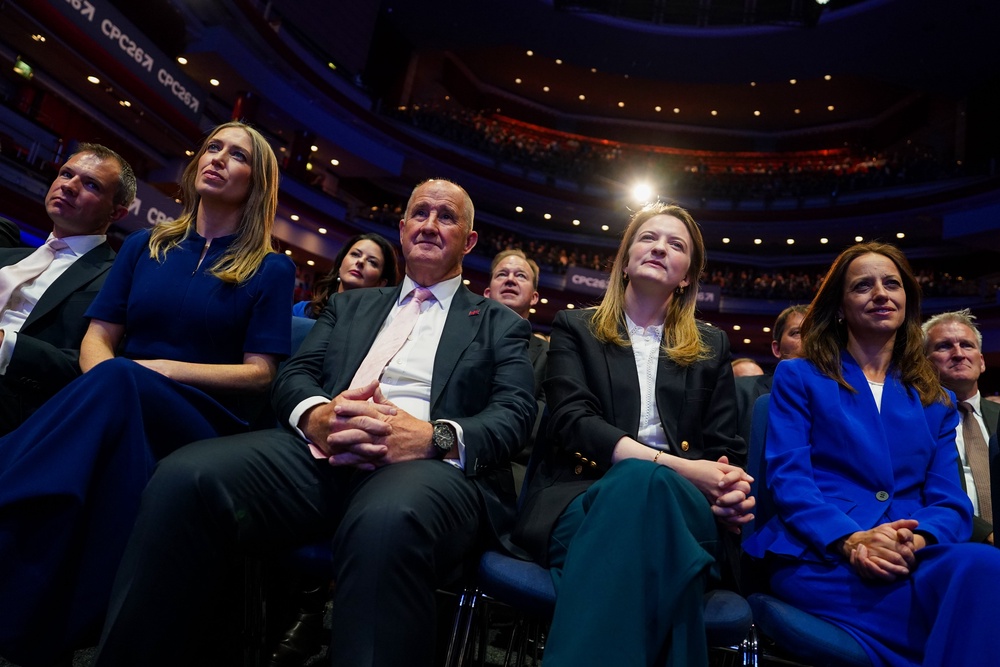
Ms Badenoch is thus clearly in command of her party, and has endowed it with a measure of that most precious of political commodities – momentum.
It is not her fault that their poll ratings remain below where Mr Sunak left them – a whole collection of tawdry past Tory politicians have to take responsibility for that.
The party’s image was so trashed by the time the British people ejected them from office in 2024 that it was always going to take time to repair the damage, as Ms Badenoch has rightly pleaded.
What has happened now is that the moment of maximum danger, of Reform UK totally eclipsing them as the main party on the Right of British politics, has passed. The Conservatives are starting – but only starting – to look more like a viable party of government.
They certainly look preferable when set next to Mr Farage’s band of cryptocurrency-fuelled “fruitcakes, loonies and closet racists”, as David Cameron once derided them.
In the next phase of her leadership Ms Badenoch needs to develop policy, particularly on the economy – and, more problematically for her, on Brexit.
In recent days there have been announcements from the Tories about proposed changes to taxation, childcare and social security as well as on building more prisons.
These have not been entirely convincing – the costings and details remain sketchy – and they give the unfortunate impression that the only people the Conservatives are interested in are pensioners (the triple lock being sacrosanct) and those on six-figure salaries.
Neither can the Tories sustain the pretence that society’s ills can be solved by locking up more criminals, deporting asylum seekers and abolishing the Human Rights Act. The public will not buy that.
There is as yet little sign that the Conservatives are treating the social care and housing crises with the seriousness that the prime minister is, and it is difficult to discern any distinctive messaging on the NHS, schools and boosting productivity and growth beyond tax cuts for business owners and cutting international aid.
Ms Badenoch has always preferred to travel light on policy, but the rumours that she wants a party manifesto ready in case Mr Burnham calls a snap election suggests she knows that she now needs to move much more quickly on developing her plan for government.
This week’s conference will no doubt start to fill in some of the many blanks, but doubts about whether the Tories can be trusted to deliver will remain. Nowhere is the Tories’ credibility more fragile than on Brexit, a decision that is now so regretted and so unpopular with the British people.
This is where Labour has spotted an opportunity and taken the initiative on re-opening the debate – and it places the Tories in the awkward position of defending something that is so disliked but with which they are inextricably linked. They, after all, “got Brexit done” – how can they now disown it?
Whatever was the case in Boris Johnson’s time, being the party of Brexit is no longer an asset, simply because leaving the EU has proved so disastrous.
Ms Badenoch herself was a minor but enthusiastic Leaver during the referendum campaign a decade ago, and seems just as committed to this albatross as ever.
She would be wise to re-evaluate her stance, and not trying to pretend that Britain will be richer and happier if it stays isolated from its major trading, diplomatic and, increasingly, military partners – unwilling even to consider a better, closer relationship with European allies.
The Conservative and Unionist party should at least place great weight on anything that strengthens the position of Scotland and Northern Ireland in the UK, and that necessarily means a closer connection with the EU.
The secret of the Tories’ long historic success lay in their instinct for what’s been called lethal pragmatism – letting nothing get in the way of the pursuit of power.
That is how they recovered from crashing general election defeats before, notably in 1906 and 1945. Failed personalities and once cherished policies were summarily ditched in wholesale acts of renewal.
Ms Badenoch would like to restore her party to office, and she insists it can be done within the span of this parliament.
She cites the example of Labour after 2019, and it is also true that the British electorate is more volatile than in the past – which makes a Lazarus-style recovery more plausible.
Yet the Tories’ ideological attachment to Brexit is an insuperable obstacle on Ms Badenoch’s path to the premiership. Reportedly, she prefers to downplay the issue and not to talk about it. She will not be able to do that for much longer.
Read MoreIt’s now time for the Tory party to say what it thinks on the economy and Brexit
The reason ‘Queen of Mean’ Kemi Badenoch wants people to dislike her
I never thought I would say it, but Kemi Badenoch really could become prime minister
That was a big, brave speech from Andy Burnham – with one problem
Andy Burnham’s decision to keep the right to jury trials is welcome
Christa Pike’s botched execution makes a powerful case against the death penalty