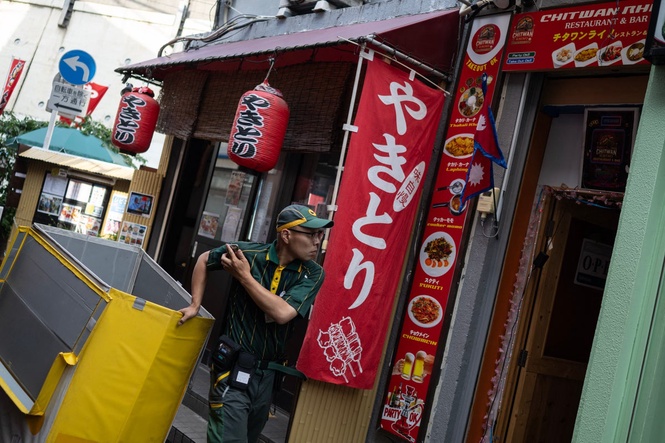
Foreign residents in Tokyo crowded immigration offices on Monday as Japan prepared to introduce a steep increase in residency fees, with some applicants reportedly facing waits of more than seven hours.
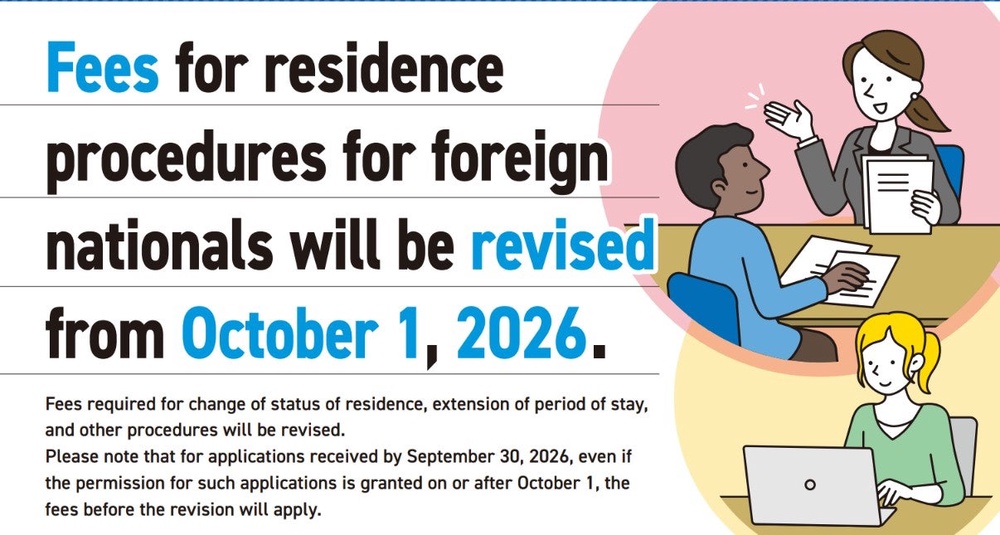
The new charges come into effect on 1 October.
The biggest increase will affect permanent residency applications, with the fee rising from 10,000 Japanese yen to 200,000 Japanese yen ($1,268). Charges for changing or renewing residence status will also increase, from the current 6,000 Japanese yen to as much as 75,000 Japanese yen, depending on the length of the permit.
The government approved the increases in August following changes to Japan’s immigration laws. Officials have said the higher charges are intended to help meet the costs of managing the country’s growing foreign population.
At the Tokyo Regional Immigration Bureau in Minato Ward people were given numbered tickets and told to return later in the day.
A 27-year-old design engineer from Nepal who has lived in Japan for three years, arrived at the Tokyo bureau at 10am to renew his work visa. He was given a ticket and told to return at 5.30pm local time.
“How can people from backgrounds like mine afford this?” he told The Japan Times, which identified him just by his initials HD.
“It’s not like everyone’s companies are going to pay.”
A recent survey by the University of Tokyo’s Institute of Social Science found that 56.3 per cent of respondents opposed accepting more foreigners, compared with 35.6 per cent in 2024.
A separate Mainichi newspaper poll conducted in November last year found that 71 per cent of respondents backed prime minister Sanae Takaichi’s efforts to tighten restrictions on foreign residents, while 10 per cent opposed them.
Japan’s justice minister Hiraguchi Hiroshi said the fee increases were necessary to help ensure an orderly society in which Japanese and foreign nationals can live together. He described the measure as “extremely meaningful” and said he would ensure it was properly implemented.
Ms Takaichi took to X over the weekend to defend the new sweeping immigration rules.
“The government acknowledges that some citizens feel anxious or a sense of unfairness due to the rising number of foreign residents,” she wrote, adding that the ongoing overhaul of rules is being implemented to “ensure order” and “enable both citizens and foreign nationals to live safely and securely”.
Immigration consultant Yuki Hirose said the increase had also triggered a surge in permanent residency applications.
She said one consultant had to leave an application page open for about three hours while assisting a client because the online system was restricting the number of users.
“There has been a rush of last-minute applications for permanent residency due to the twentyfold fee increase,” she said.
The fee changes are being introduced alongside tougher requirements for permanent residency.
From Thursday, applicants will generally be expected to have maintained an income above the average for Japanese households of a comparable size. The average annual household income was 5.75 million Japanese yen in 2024, according to a labour ministry survey released in July.
The new income test will also apply retrospectively to applications submitted as far back as April that are still being assessed.
政府では、在留外国人数の増加に伴って不安や不公平感を感じる国民の皆様がいらっしゃることに向き合い、「外国人政策」を「秩序」あるものとし、国民の皆様と外国人の双方が安全・安心に生活していけるようにするため、本年1月、『外国人の受入れ・秩序ある共生のための総合的対応策』を取りまとめ、…
— 高市早苗 (@takaichi_sanae) September 27, 2026
Applicants will also need to have enough pension savings to cover 30 years of payments. Japan’s Immigration Services Agency said the changes are aimed at ensuring foreign residents can “live independently” and maintain “a stable life without the risk of becoming a burden”.
Other changes in the immigration law are are take effect from April next year. It will include a Japanese-language proficiency test for non-native speakers, and greater scrutiny of applicants’ understanding of Japanese institutions and social etiquette. There will also be a requirement that permanent residency provide a “concrete benefit” to Japan.
Japan’s foreign resident population remains relatively small compared with the UK and France, but it is growing rapidly. It reached a record 4.12 million, or about 3 per cent of the population, at the end of 2025.
Meanwhile, the number of Japanese nationals fell by more than 900,000 between January 2025 and January 2026 amid the country’s lowering birth rates.