MANILA, Philippines — Japan's planned transfer of armed destroyers to the Philippine Navy will mark the first export of lethal military equipment under Tokyo's revised defense export rules, signaling a major shift in its postwar arms policy and deepening its security cooperation with Manila.
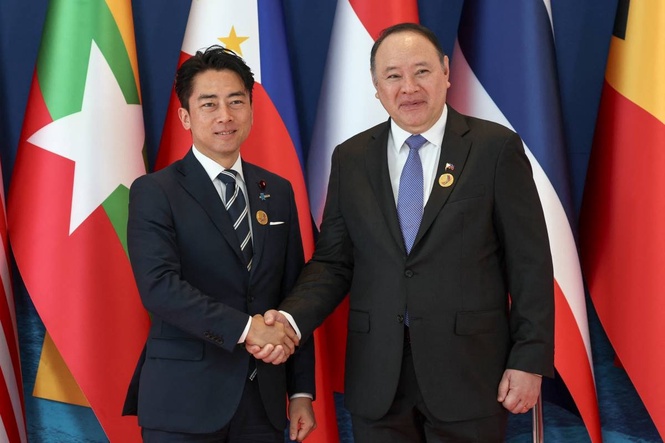
Japanese Defense Minister Shinjiro Koizumi and Defense Secretary Gilberto Teodoro Jr. agreed during their Oct. 28, 2026 meeting in Manila to transfer the first Abukuma-class destroyer as soon as possible after its decommissioning, according to a Kyodo News report.
The planned transfer follows Japan's April revision of its Three Principles on Transfer of Defense Equipment and Technology, which removed longstanding restrictions on exporting lethal weapons, including warships and missiles.
The policy change allows Japan to transfer combat equipment to countries that have agreements with Tokyo on protecting classified information related to defense equipment and technology.
The six Abukuma-class destroyers, which entered service between 1989 and 1993, are older than Japan's newer warships but retain anti-ship and anti-submarine warfare capabilities.
One of the vessels, the 109-meter Sendai, commissioned in March 1991, has a standard displacement of 2,000 tons and carries a crew of about 120.
Its weapons include a Harpoon ship-to-ship missile system, triple short torpedo tubes, an anti-submarine rocket launcher capable of carrying eight torpedoes, a main gun capable of firing about 100 rounds per minute and close-in defense guns.
The destroyers are also equipped with fire-control and surveillance radars for detecting and tracking air and surface targets.
Koizumi told Teodoro that Japan would provide the Philippine Navy with the necessary education and training before the transfer and cooperate closely with Manila on maintenance, according to Japan's Defense Ministry.
Japan will also dispatch officials to help recipient countries maintain transferred equipment.
The planned handover comes as the Philippines seeks to strengthen its maritime defense capabilities amid repeated confrontations with Chinese coast guard and naval vessels in the West Philippine Sea, particularly around Scarborough Shoal.
Tokyo views the transfer of defense equipment and closer military cooperation with like-minded countries as part of its broader effort to strengthen deterrence and promote stability in the Indo-Pacific.
Koizumi has also expressed Japan's willingness to discuss the possible transfer of surface-to-air missiles to the Philippines, suggesting that defense cooperation between the two countries could expand beyond the destroyers.
"In the face of a severe security environment, we intend to advance more practical defense cooperation with a sense of urgency to ensure regional peace and stability," Koizumi said after attending a regional security forum in the Philippines last month.