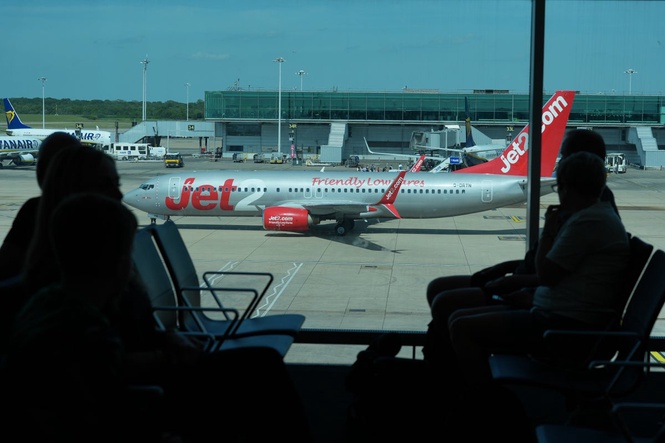
Jet2 says passenger numbers rose nine per cent in the first half of the year to 15.4 million – the highest in its history.
In the half-year results for the UK’s third-largest airline on Wednesday, pre-tax profits dropped by nearly a fifth, down 19 per cent to £652.2 million for the six months to September 30, despite revenues rising five per cent to a record £5.63 billion.
The package holiday firm said it had reduced its seat capacity by 240,000 since early September for the winter season as it looks to manage soaring fuel costs amid the Iran war – a 3.6 per cent drop year-on-year, with its recent Gatwick expansion stripped out.
It held off from giving full-year profit guidance and said it would continue to “take responsible action” on its capacity in the face of higher jet fuel prices.
The group bought much of its fuel in advance to help fix costs, but is seeing steep increases in costs for the proportion that is not hedged as the conflict in the Middle East continues to wreak havoc on global energy and oil markets.
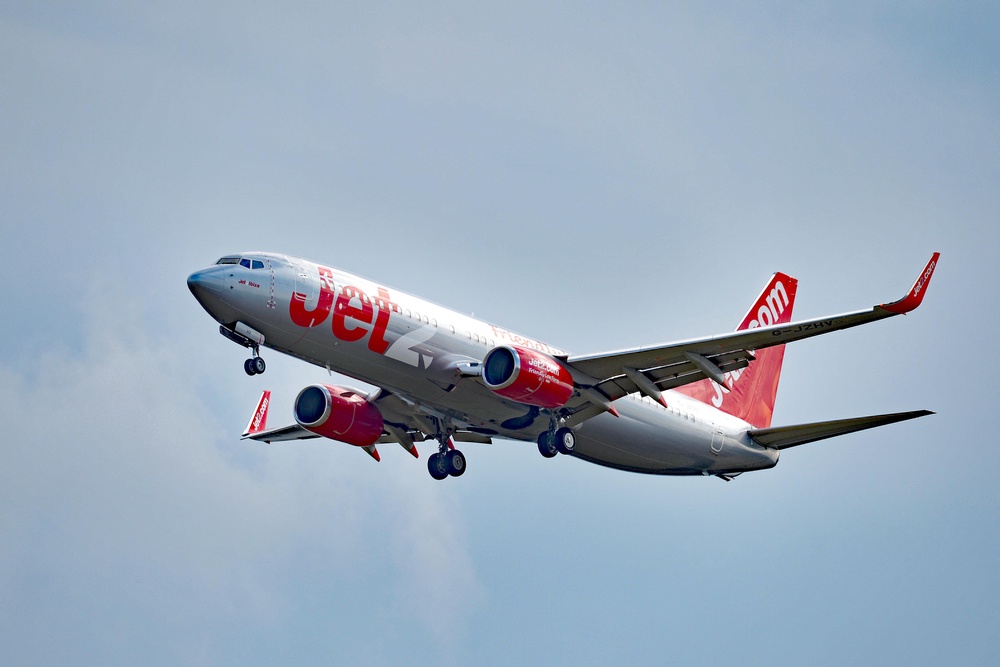
While it said package holiday pricing has remained “resilient”, rising one per cent to £945 on average, the group has slashed airfares to help fill its planes.
Yields on flight tickets fell 14 per cent per passenger to £104.82 in the first half, which weighed on profits, alongside costs.
Jet2 said: “We have acted decisively to manage winter 2026-27 sale seat capacity in response to elevated unhedged jet fuel forward prices, reducing capacity by 240,000 seats since early September.
“While it remains premature to provide guidance for full-year profitability given the proportion of the winter season still to book and continued volatility in jet fuel prices for our remaining unhedged requirement, we will continue to take responsible action on seat capacity and operating costs in response to the external environment.”
It added: “Customers are continuing to book closer to departure, as they did in summer 2026, and our flexible model is well placed to capture this demand.”
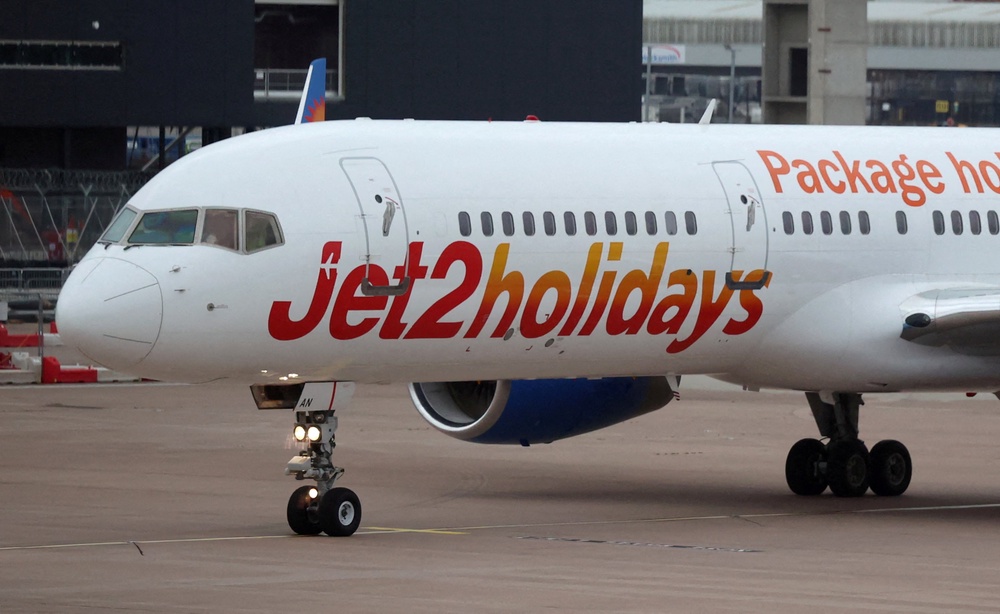
Shares in Jet2 fell more than five per cent in morning trading on Wednesday.
The travel group said it continues to review its summer holiday programme, with “measured” growth of three per cent across its established airport bases.
Richard Hunter, head of markets at Interactive Investor, said the airline had “leant heavily on reducing pricing, which has had the desired effect on increased passenger numbers, but has also sharply reduced profit for the period.”
He added: “Another headwind comes in the form of a trend which has continued, namely that customers are driving a ‘fast-moving late-booking’ environment, which increases the airline’s difficulty in planning, let alone gauging costs which are partly fixed.
“In addition, losses traditionally expected in the second half as the group prepares for next summer, driven by increased capacity and marketing spend along with recruitment costs, are likely to be responsible for those headwinds.”