
The night air in Kuala Lumpur is heavy with the scent of frying dough and coconut curry. You slip into a street-corner eatery, the hum of fans overhead mixing with laughter, football commentary and the rhythmic slap of a dough being tossed. A steaming plate of roti canai lands before you, golden and crisp, and a frothy glass of teh tarik sits next to it. In that moment you realise you are not simply eating your part of something deeper. The mamak culture of Malaysia is living, breathing and entirely alive.
What you see above is the essence of the mamak tradition: casual tables, open kitchens, a bowl of curry shared across tables, people of all backgrounds gathering. As noted in one guide: “the mamak stall has become a permanent fixture of Malaysian urban life”. (Touch 'n Go) This article takes you on a journey through eight outstanding mamak venues across Malaysia. Each place is more than a meal. It is story, community, flavour and culture rolled into one.
1. Sri Nirwana Maju, Bangsar
On a humid Thursday evening the terrace at Sri Nirwana Maju in Bangsar pulses with energy. Office workers in shirts and ties mix with university students, all hunched over banana-leaf rice and sizzling plates of ayam madu. According to a travel guide listing top mamaks in KL: this place is a “gem, famous for its banana leaf rice” among other classics. (TouristSecrets)
Here you sit under simple lighting, tear off banana leaf with your fingers, and pour curry over rice. Its appeal lies not in pretension but in familiarity. The menu doesn’t change. The curry remains rich. The service is brisk.
Tip: come around 7pm to avoid the later queue. Ask for the bitter-gourd fritters. The banana leaf rice is especially satisfying after your first visit.
2. Restoran Kayu Nasi Kandar, NU Sentral/Various
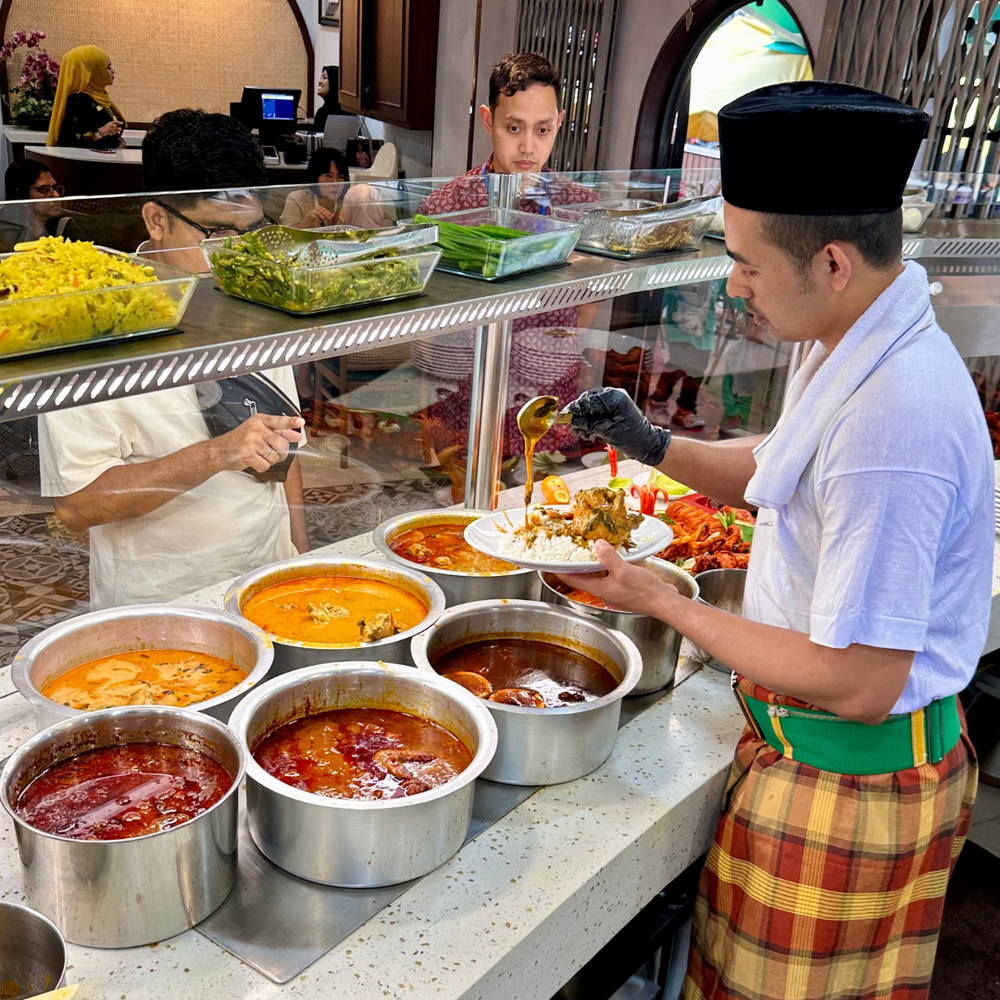
Nasi kandar is one of the signature dishes of mamak culture. At Kayu Nasi Kandar you choose your rice, pick from curries, sides and fried items. Food blogger reviews in Penang and KL place this among the top mamak spots. (The Asia Press)
What stands out is the sheer variety of gravies and side dishes. The method of “banjir” – flooding your rice with multiple curries – gives you layers of flavour, spice and texture.
For visiting foreigners or out-of-town guests: the NU Sentral outlet is central and easy to access. The service is slightly faster than smaller neighbourhood stalls.
Tip: try their squid curry and a can of Milo ais. Split the rice and sides with a friend so you can sample multiple gravies.
3. Original Penang Kayu Nasi Kandar, Bayan Lepas
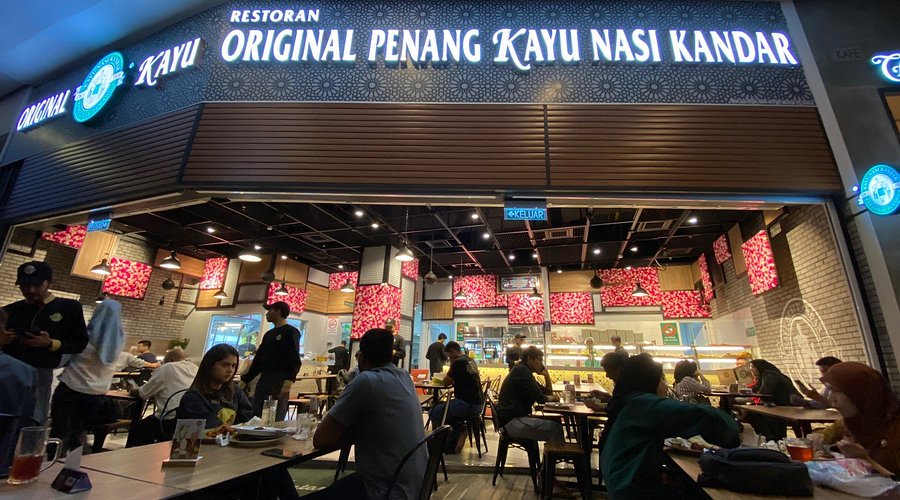
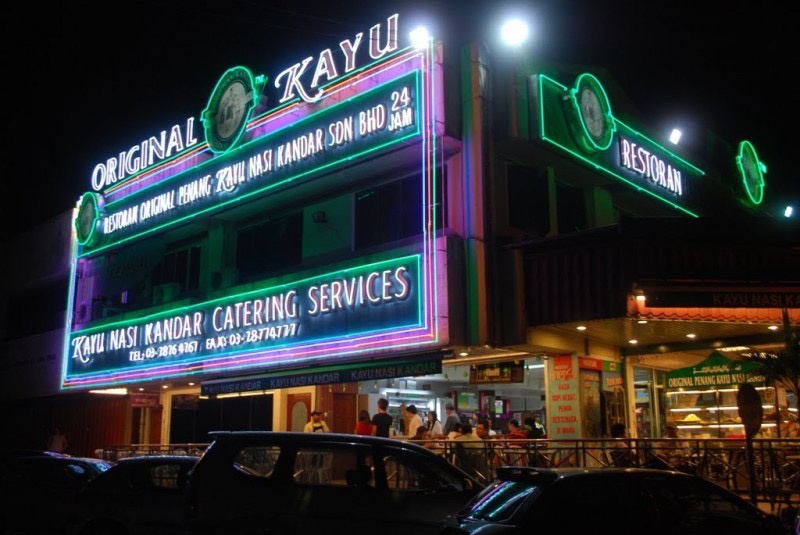
Over on Penang Island, the original Kayu Nasi Kandar holds a special place in mamak lore. A local site calls it “legendary … preserves Penang’s food culture” and says it is open 24-hours. (The Asia Press)
Walk in just past midnight and you’ll find local fishermen, delivery riders and night-owl foodies sharing tables and curry plates. That speaks volumes about its authenticity.
Tip: Go for the mutton curry and ask for extra okra and cabbage sides. Expect a queue at peak hours. Bring some small notes for payment.
4. Hameediyah Restaurant, George Town
Founded in 1907, Hameediyah claims the title of one of the oldest nasi kandar establishments in Malaysia. According to a blog post, it features “rich, aromatic gravies paired with tender meats”. (tekkashop.com.my)
In its wooden-furnished hall you hear Tamil, Malay and Hokkien spoken side by side. A sense of history weighs in the air. The menu remains largely unchanged. Food becomes nostalgia.
Tip: Don’t fill up on rice alone – the magic is in curried sides. Share a couple of dishes between three so you can try both chicken and beef rendang.
5. Nasi Kandar Hijrah, Taman Molek
Crossing into the southern tip of Peninsular Malaysia, you arrive in Johor Bahru and find Nasi Kandar Hijrah. One site lists it as “a gem … high Google rating reflects the quality” in Johor. (sgmytravel.com)
Here the taste remains bold and affordable. Curries still rule, and the setting is more local neighbourhood than tourist hub.
Tip: Visit for lunch rather than dinner. The curry becomes richer as the day goes on, but lunchtime gives you better variety.
6. Restoran Naaz, Taman Sri Tebrau
Open 24-hours according to one travel-site, and perfect for a late-night hang-out after the city has quietened. (CozyBerries)
You’ll find mee goreng mamak, murtabak, roti canai and teh tarik all night. Locals treat it like a living room.
Tip: If you arrive late (after 11pm) you’ll find the atmosphere mellow, local, and without tourists. Perfect for a quiet reflection over chai.
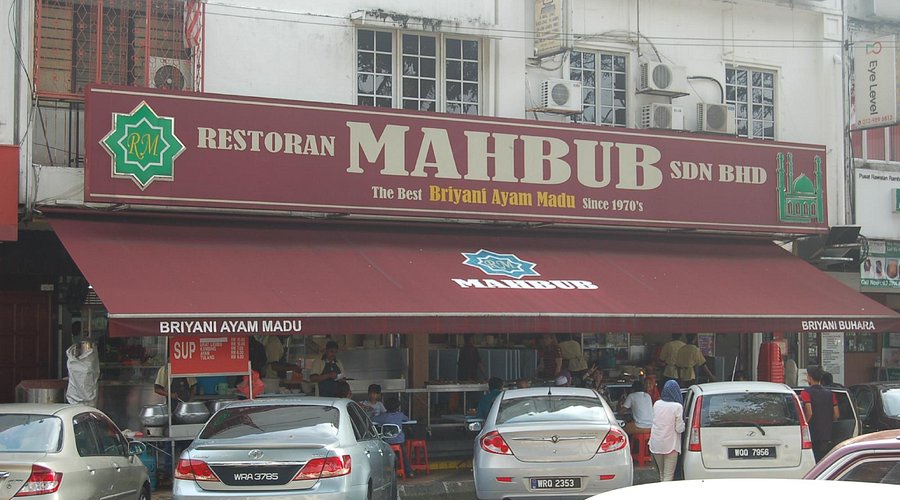
7. Restoran Mahbub, Bangsar
One contributor on Reddit recommends Mahbub in Bangsar for the ayam madu (honey-chicken) and late-night vibe. (Reddit)
The menu may be simple, but it attracts regulars, and offers a slightly modern take while retaining the core mamak spirit: communal tables, football on TV, the scent of curry.
Tip: Ask for the ayam madu and roti tisu. Share a side dish so your mains don’t dominate.
8. Restoran Al‑Safa Bandar Baru Uda (JB – but worth noting culture)
Although situated in Johor Bahru (which emphasises how the mamak culture spreads beyond KL), Al-Safa is featured in a list of top mamaks for late-night sports-hangouts and open-all-hours. (sgmytravel.com)
This entry underlines an important point: mamak culture is not just in KL or Penang, it’s a national phenomenon.
Tip: If you’re returning from southern travel and want one more sit-down before heading into Singapore or across borders, this place fits.
Why mamak matters for Malaysian tourism, food culture and identity
The eight venues above may serve different dishes, carry different atmospheres, sit in different states yet they share a deeper purpose. According to a food-culture article: “the mamak stall has become a permanent fixture of Malaysian urban life… offering an assortment of food that has harmoniously integrated local and imported recipes.” (d8aspring.com)
Here are three dimensions worth noting:
- Social-space dimension: These stalls become meeting places. Students, night-shift workers, families and friends share tables. As one Redditor put it:
Cultural / heritage dimension: The term “mamak” itself reflects Tamil Muslim origins, and the cooking integrates Indian, Malay and Chinese influences. A blog explains: “the term mamak … from Tamil word for maternal uncle … Indian-Muslim traders brought their culinary traditions into Malaysia.” (Touch 'n Go)
Thus every roti and every curry carries history.
Tourism & experience dimension: For visitors to Malaysia the mamak outlet offers authenticity. The food is affordable, the atmosphere casual and local. As one blog wrote: “If you’re looking for cheap eats … mamak restaurants” are recommended. (Reddit)
Food becomes the lens through which you experience place and people.
“Normally for foreigners who don’t know what they want to eat … local mamak eateries – order roti canai, roti tisu …” (Reddit)
Spaces like these foster connection across cultural lines.
In tourism pamphlets and travelogues, mamak culture is often highlighted not merely for flavour but as a microcosm of Malaysia’s diversity. The open-air seats, shared tables, late-night hours reflect not just meals but a communal lifestyle. They represent “unity in diversity” in a tangible way.
Practical tips for your mamak pilgrimage
- Arrive early at night (7-9pm) to secure a semi-good seat; after 10pm many places fill with late-night groups.
- Try the signature dishes: roti canai (tear with fingers), nasi kandar (rice with mixed curries), mee goreng mamak. The basics.
- Ask for “kurang manis” if you order teh tarik and prefer less sugar. (A common local modification.)
- Sit back, watch the match, listen to conversations around you absorb more than food.
- Respect the halal nature: most mamak are run by Muslim Indian-Malay operators, so no pork or alcohol in most places.
- Prices are generally very affordable (often under RM10 for a main + drink) especially compared to western-style dining.
- Take note of hygiene: many stalls are fine, but some older ones may lag behind modern standards. Use your judgment.
AM World (tameer.work88@gmail.com) is a content creator under the Newswav Creator programme, where you get to express yourself, be a citizen journalist, and at the same time monetize your content & reach millions of users on Newswav. Log in to creator.newswav.com and become a Newswav Creator now!
The User Content (as defined on Newswav Terms of Use) above including the views expressed and media (pictures, videos, citations etc) were submitted & posted by the author. Newswav is solely an aggregation platform that hosts the User Content. If you have any questions about the content, copyright or other issues of the work, please contact creator@newswav.com.