
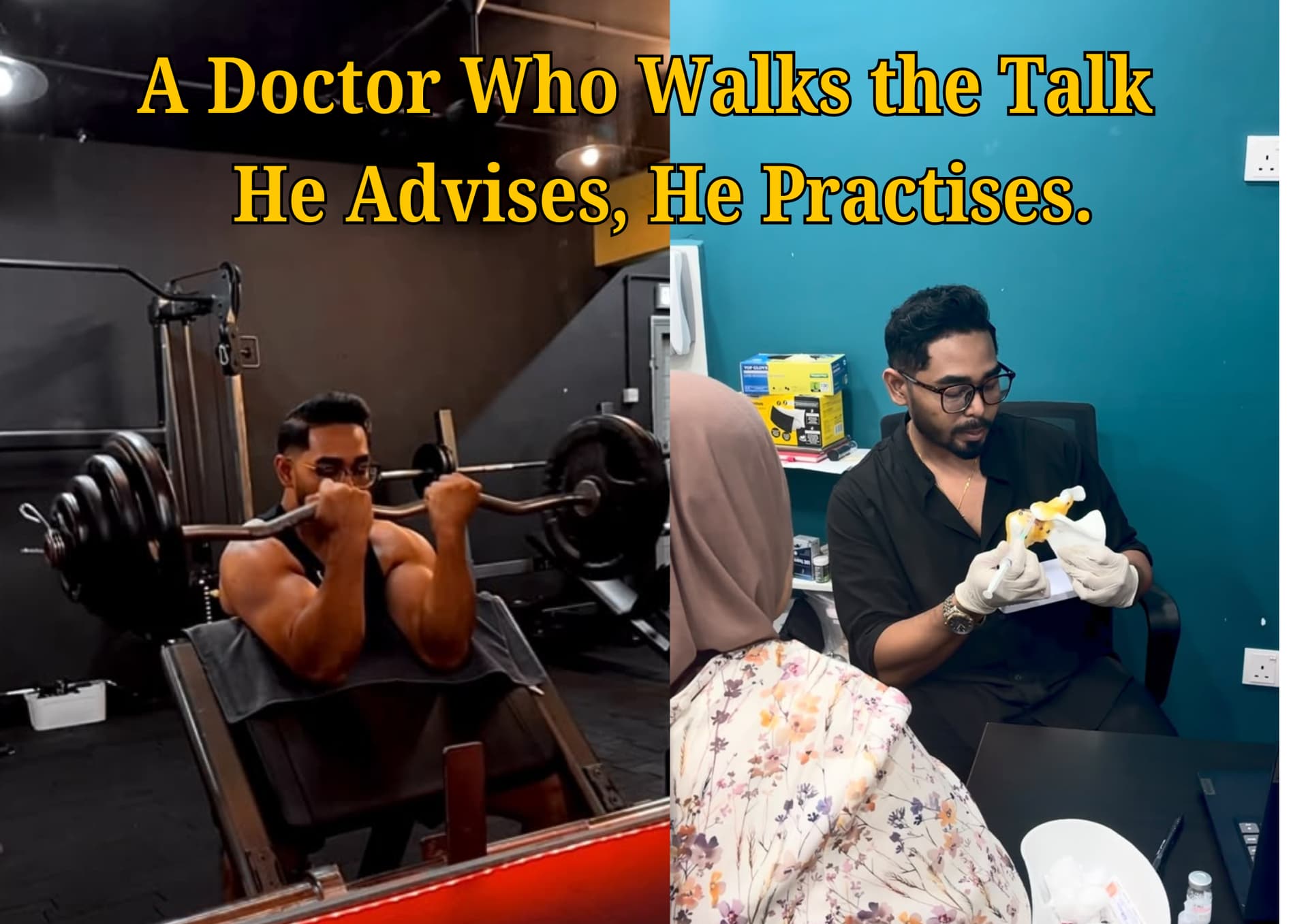
When we think of a doctor, we often imagine someone in a white coat, spending long hours diagnosing illnesses, treating patients and providing medical advice. We look to doctors for guidance on how to live healthier lives, manage our weight, stay physically active and prevent diseases. But what happens when a doctor takes those same principles beyond the consultation room and incorporates them into his own lifestyle? The story of Dr. Gregory James Fernandez presents an opportunity to explore a meaningful message: a healthy lifestyle is not simply something we recommend to others, but something we should strive to practice ourselves.
For a healthcare professional, understanding the importance of health is one thing; making it a consistent part of everyday life is another. Between demanding working hours, professional responsibilities and personal commitments, maintaining a regular fitness routine can be challenging. Nevertheless, prioritizing physical activity reflects an important understanding that looking after our health requires continuous effort. The gym represents more than a place to build muscle or improve physical appearance. It is a place where discipline, patience and perseverance are developed, qualities that are valuable both inside and outside the medical profession.
A fitness journey is rarely straightforward. Progress takes time, and the results we hope to achieve do not usually appear overnight. Whether the goal is to improve strength, increase stamina, manage body weight or simply feel healthier, consistency is essential. There may be days when work becomes exhausting, motivation decreases or personal commitments make exercise difficult. During these moments, discipline becomes more important than motivation. Motivation may encourage us to begin, but discipline helps us continue even when the journey becomes challenging.
One important piece of advice that Dr. Gregory's fitness story can communicate is this: “Start small but stay consistent.” Many people delay exercising because they believe they need to spend hours in the gym or follow a strict training programme to see results. In reality, beginning with manageable activities is often more sustainable. A daily walk, a short workout or a few scheduled exercise sessions each week can help establish a routine. Rather than attempting to change everything overnight, people should focus on building habits they can maintain. The objective is not to achieve perfection in a few days, but to make healthier choices part of everyday life.
Another valuable lesson is to focus on progress rather than comparison. In the age of social media, people are constantly exposed to images of impressive physiques, intense workout routines and dramatic transformations. These images can motivate us, but they can also create unrealistic expectations. Everyone has a different starting point, body type, schedule and level of physical ability. Comparing our progress with someone else's can lead to frustration and disappointment. A more meaningful approach is to measure progress against our own previous efforts. Being able to walk further, lift a little more, improve stamina or maintain a regular exercise schedule can all represent worthwhile achievements. Fitness should be a personal journey towards better health, not a competition to look like someone else.

Nutrition is another important part of maintaining a healthy lifestyle. Exercise alone cannot compensate for consistently poor eating habits, just as eating well does not eliminate the benefits of physical activity. A balanced diet that includes appropriate amounts of protein, vegetables, fruit, whole grains and other nutritious foods helps support the body's needs. Drinking enough water and paying attention to portion sizes are also useful habits. Extreme diets and unrealistic promises of rapid weight loss should be approached cautiously. Sustainable progress generally depends on a balanced approach that supports both physical health and everyday functioning.
“A further piece of advice is to make exercise a commitment, not an option that depends entirely on motivation.” Busy professionals often feel they have no time for fitness, especially when their working days are unpredictable. However, exercise does not always require a long session. Planning workouts around existing responsibilities, scheduling specific times for physical activity and choosing convenient forms of exercise can make consistency easier. The key is to find a realistic routine that fits individual circumstances. When work becomes particularly demanding, adjusting the duration or intensity of a workout may be more practical than abandoning the routine altogether.
At the same time, exercise must be approached responsibly. More training is not always better, and recovery is an essential part of progress. Adequate sleep, rest days, proper technique and gradual increases in training intensity can help reduce the risk of injury. Beginners and people with existing medical conditions should seek appropriate professional guidance before starting a demanding exercise programme. Fitness should improve quality of life rather than become a source of unnecessary physical strain.

The importance of exercise extends far beyond physical appearance. Regular physical activity can improve cardiovascular fitness, strengthen muscles and bones, support mental well-being and help reduce the risk of several chronic diseases. However, achieving these benefits does not require everyone to become a bodybuilder or spend hours lifting weights. A sustainable fitness routine can include strength training, walking, cycling, swimming or other activities suited to an individual's abilities and circumstances. The most effective routine is one that can be maintained consistently over time.
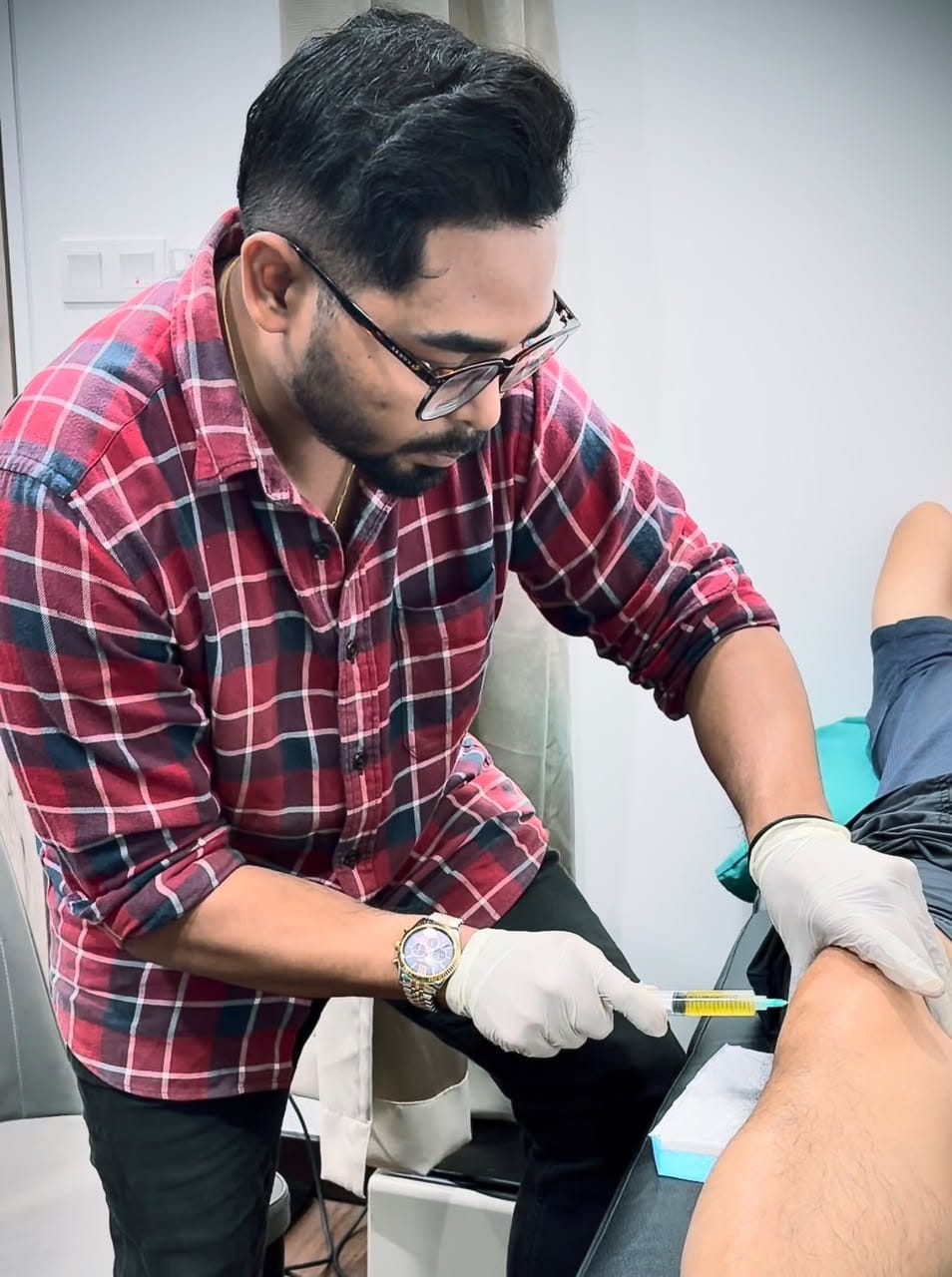
This is where the idea of practising what we preach becomes particularly relevant to the medical profession. Doctors frequently encourage patients to exercise regularly, maintain a balanced diet, manage their weight and adopt healthier habits. Yet many patients find it difficult to translate this advice into action. Busy schedules, family responsibilities, fatigue and a lack of confidence can become significant barriers. Simply telling someone to exercise may not always be enough. People often need realistic guidance, encouragement and an understanding that lasting change begins with small, achievable steps.
A doctor's credibility comes primarily from medical education, professional training, clinical experience and evidence-based practice, rather than physical appearance. A fit physique alone does not determine whether someone is healthy, just as a person who does not attend the gym should not automatically be considered unhealthy. The purpose of fitness advice should be to empower people to make informed decisions about their health, not to make them feel inadequate about their bodies.
Another important aspect of a balanced lifestyle is the role of personal relationships. Health does not have to be a journey undertaken alone. Having a supportive partner, family member or friend can make it easier to remain consistent with positive habits. Exercising together, encouraging one another to stay active and making time for enjoyable activities can help turn healthy choices into shared experiences. A supportive relationship also reminds us that well-being involves more than physical fitness. Emotional connection, adequate rest, time with loved ones and the ability to balance professional responsibilities with personal life are equally important parts of living well.

For Dr. Gregory James Fernandez, the theme of fitness offers an opportunity to reflect on the relationship between medical knowledge and personal responsibility. His story can inspire a wider discussion about the importance of making health a priority despite the demands of a busy lifestyle. The gym serves as a reminder that improvement requires commitment, while the principles of healthy living reinforce the importance of consistency, moderation and patience. These lessons are relevant not only to doctors, but also to patients, working professionals, students and anyone who hopes to improve their quality of life.

Share your fitness and healthy lifestyle stories through #JomFit and stand a chance to win cash prizes worth up to RM2,300!
Find out how to join here. Don't miss out! T&Cs apply.
Laguvendran Sandran (laguvendran96@gmail.com) is a content creator under the Newswav Creator programme, where you get to express yourself, be a citizen journalist, and at the same time monetize your content & reach millions of users on Newswav. Log in to creator.newswav.com and become a Newswav Creator now!
The User Content (as defined on Newswav Terms of Use) above including the views expressed and media (pictures, videos, citations etc) were submitted & posted by the author. Newswav is solely an aggregation platform that hosts the User Content. If you have any questions about the content, copyright or other issues of the work, please contact creator@newswav.com.