Malaysian Inbound Tourism Association president Mint Leong urges travellers to share itineraries and emergency plans with next-of-kin following the Nepal floods.
PETALING JAYA: The Nepal floods have underscored a crucial travel precaution for Malaysians – make sure your family knows who to call and what to do if you go missing overseas, said Malaysian Inbound Tourism Association (Mita) president Mint Leong.
She said travellers should ensure their families know which agency is handling the trip, the itinerary, emergency contact and evacuation arrangements should something go wrong.
“Travellers must ask the travel agency: What is the emergency plan? What is the evacuation plan? What is Plan B?
“Who is the emergency contact person? All the details should be given to family members, so that in an emergency they can reach the right person directly,” she told theSun.
Leong added that such preparation was particularly important for trekking, jungle trips, scuba diving and other higher-risk activities, in which travellers should also establish whether their insurance provides sufficient protection.
“Insurance is a must, but travellers have to know what the insurance actually covers, especially when they are going for adventurous activities. They may need more protection than normal travel insurance.”
She said another difficulty could arise when Malaysians book directly with foreign travel agencies, leaving families to communicate with an unfamiliar operator overseas when contact with their loved ones is lost.
“With a foreign agency, they may also be able to track the traveller, but then there is the question of communication. Who is going to handle that communication for you?
“If you register with a Malaysian travel agency, at least the agency could keep track of where you are going and provide support to the family.”
She estimated that booking through a Malaysian agency could cost about 8% to 9% more, but said the additional expense could provide families with a local point of contact during emergencies.
“You are already paying about 90% of the cost, so what about the remaining amount if it gives you more security?”
On whether foreign operators should work more closely with Malaysian authorities, Leong said better information-sharing could help, but said creating a comprehensive cross-border traveller database would be difficult.
She added that the challenge was not only whether overseas agencies could provide passenger details, but also whether Malaysia could offer comparable information in return, particularly as more individuals travel independently.
“Travelling data nowadays is very challenging because there are more and more free-and-easy travellers who can travel to any country they like.
“If a ministry wants to do this, it has to invest a lot in this type of data collection. If it is not compulsory, not everyone will fill it in.”
Nevertheless, Leong backed the registration of organised Malaysian tour groups with Wisma Putra, adding that travel agencies already maintain passenger lists and itinerary details before departure.
“If the system runs well, uploading the name list to Wisma Putra or the relevant diplomatic mission is additional work for the travel agent, but it is not very difficult.”
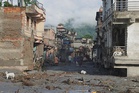
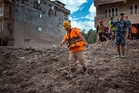
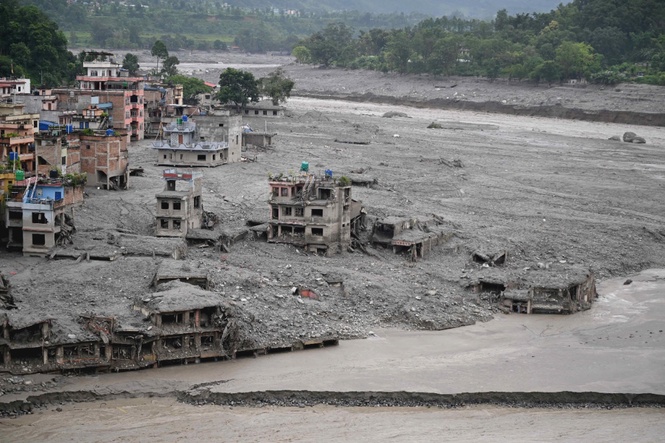
Her comments come as 55 Malaysians in Nepal and another 36 in China remained uncontactable as of 8pm on Aug 29 following the Aug 26 floods, according to Wisma Putra.
Nepal’s National Disaster Risk Reduction and Management Authority said 675 bodies had been recovered while 2,498 individuals remained missing as of Aug 29.
Leong said the disaster was already affecting travel sentiment towards Nepal, including destinations outside the affected areas.
“I already have cancellations for November and December. They tell me it is very scary, although they are not going to the affected area.”
She said tourism players should treat the tragedy as a lesson in strengthening risk management, emergency response and communication with families.
“We cannot blame anyone for a disaster such as this.”