
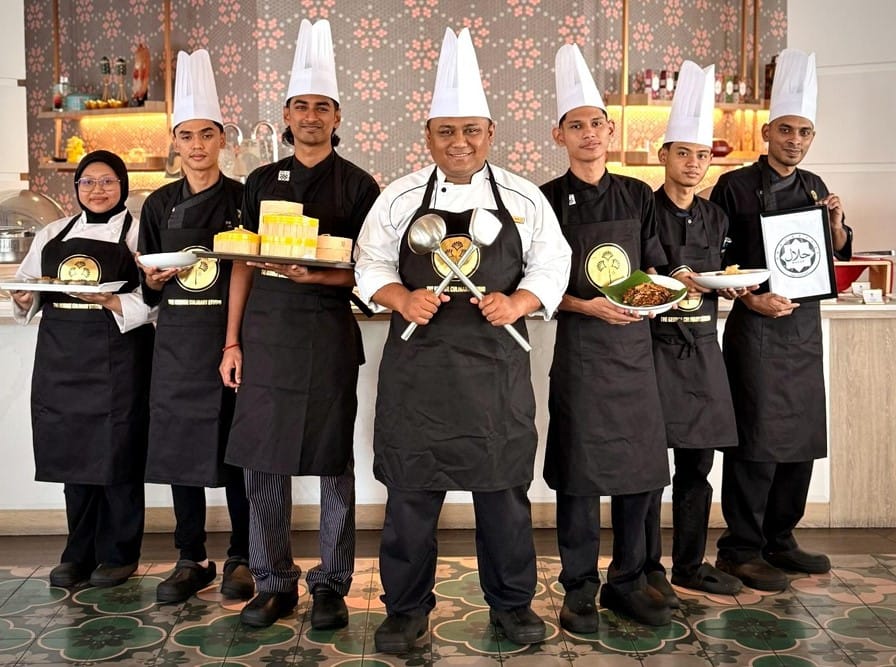
The recent gazettement of Penang's heritage foods is a welcome step towards recognising the culinary traditions that have been synonymous with the state's identity for generations. When we think of a place, food inevitably comes to mind alongside its culture and heritage. More than sustenance, it is memory served on a plate.
The real challenge lies in ensuring that heritage remains relevant to future generations. A dish may be listed as heritage, but it continues to live only when people cook it, serve it, share it and appreciate the stories behind it.
This debate is not new. More than a decade ago, concerns over authenticity and heritage prompted the Penang Island City Council (MBPP) to restrict foreign cooks from preparing certain local hawker dishes at council-managed premises. The issue resurfaced two years ago when proposals were raised to extend similar restrictions to selected iconic Penang dishes sold at privately owned hawker centres and coffeeshops.
At the heart of the discussion was a question that continues to divide opinion: how do we preserve culinary heritage without freezing it in time? In my commentary, "Who Gets to Cook Penang's Iconic Dishes", published in the December 2024 issue of Penang Monthly, I argued that heritage is best preserved not through exclusion, but through transmission, appreciation and continuity.
If safeguarding authenticity is one part of the equation, ensuring that heritage continues to find new audiences is another. This is where initiatives that combine food with cultural experiences may represent the next stage in keeping traditions alive.
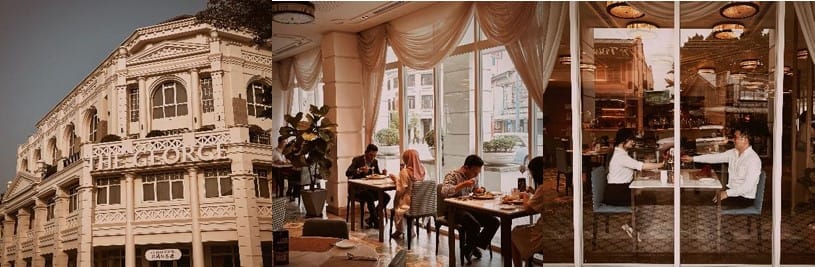
At Ka Satu Dining at The George Penang by Ascott, the restaurant's newly refreshed concept is built around the spirit of Muhibah, reflecting the multicultural influences that have long shaped the island's identity. Its menu brings together traditional Malay dishes, Chinese-inspired favourites, local Penang classics and Western offerings, mirroring the diverse culinary landscape for which the island is known.
While it primarily serves fine dining Malay Heritage Cuisine, the menu spans a thoughtfully designed range that reflects Malaysia's multicultural identity — from traditional Malay dishes such as Sup Kambing Berempah and Masak Lemak Cili Padi, to Chinese-inspired flavours like Kung Pao and Kam Heong.
Penang street classics include White Curry Mee and Char Koay Teow, and Western offerings such as premium Angus Steak. These may not all appear on heritage lists, but they collectively represent the cultural exchanges that have defined Penang's food scene for generations.
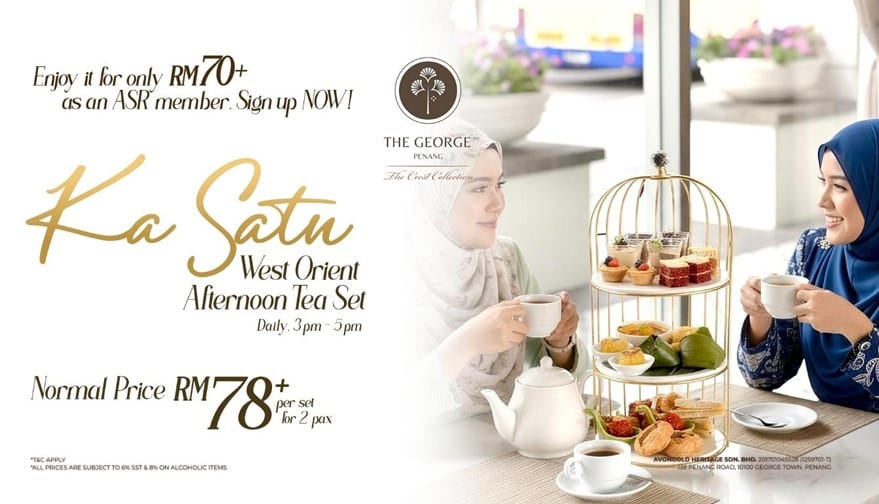
What sets the experience further apart is the inclusion of live Malay gamelan performances during afternoon tea sessions. In a heritage city like George Town, traditional music makes an apt companion for diners — an immersive backdrop to the flavours of the Penang Strait, where a meal becomes something closer to a conversation with the past. On top of it, the food is reasonably priced.
As Penang continues to celebrate and safeguard its heritage, it is worth remembering that preservation is not solely the responsibility of governments, museums or cultural institutions. Restaurants, cafes, hotels and community spaces also have a role to play.
After all, heritage survives not because it is recorded, but because it continues to be experienced.
The recent gazettement of heritage foods is an important milestone. The next step is ensuring that these traditions remain part of everyday life, allowing both locals and visitors to engage with the living culture that has made Penang one of the region's most distinctive culinary destinations.
Ka Satu Dining is located at The George Penang by Ascott, 138 Penang Road, George Town. The West Orient Afternoon Tea Set (RM78+ per set for 2 pax) is served daily from 3pm to 5pm, accompanied by live Malay gamelan performances from Wednesday to Sunday. For reservations, call +604-291 9000 or WhatsApp +6011-5501 9000.
Carolyn Khor (carolynkhor@gmail.com) is a content creator under the Newswav Creator programme, where you get to express yourself, be a citizen journalist, and at the same time monetize your content & reach millions of users on Newswav. Log in to creator.newswav.com and become a Newswav Creator now!
The User Content (as defined on Newswav Terms of Use) above including the views expressed and media (pictures, videos, citations etc) were submitted & posted by the author. Newswav is solely an aggregation platform that hosts the User Content. If you have any questions about the content, copyright or other issues of the work, please contact creator@newswav.com.