
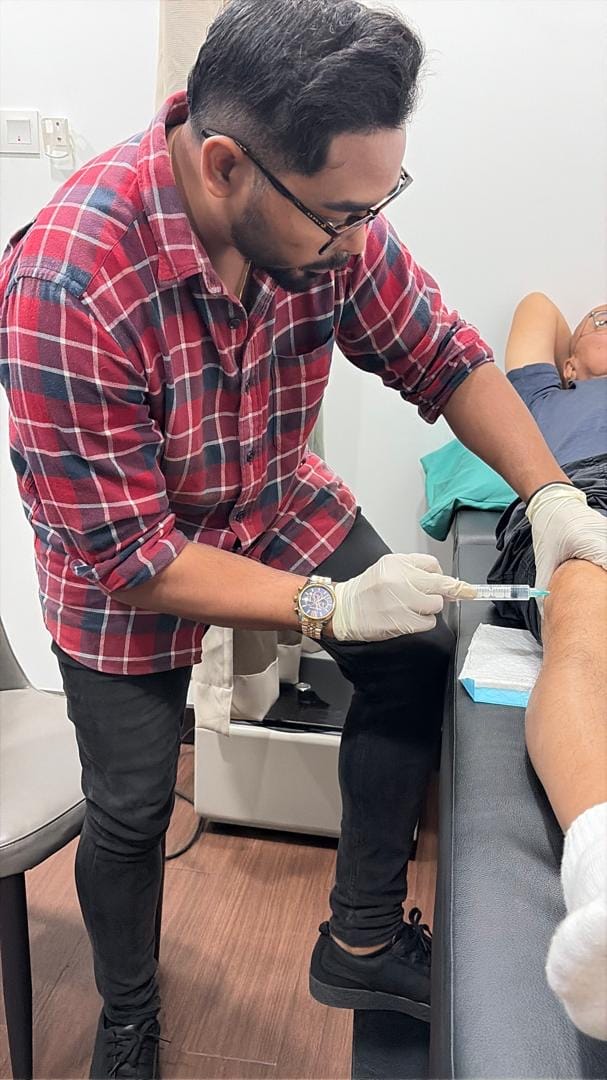
Knee and shoulder pain are among the most common musculoskeletal complaints encountered in daily clinical practice, affecting individuals from working adults to the elderly and often leading to significant limitations in mobility and quality of life. According to Dr Gregory James, joint injection therapy has become an increasingly valuable tool in modern primary care, offering a safe, minimally invasive, and effective solution for managing these conditions. Intra-articular knee injections are commonly used in the treatment of Osteoarthritis, while shoulder injections play a key role in managing rotator cuff tendinopathy, subacromial bursitis, and adhesive capsulitis (frozen shoulder). When performed with proper anatomical knowledge and technique, these procedures can provide rapid pain relief, reduce inflammation, and significantly improve joint function, allowing patients to return to their daily activities more comfortably and efficiently.
Beyond the clinical benefits to individual patients, the implementation of joint injection services also brings meaningful advantages to professional bodies and healthcare committees. By supporting structured training and credentialing programmes, committees can help elevate the standard of care delivered by General Practitioners, ensuring that these procedures are performed safely and effectively within the primary care setting. This reduces the burden on secondary and tertiary healthcare facilities by minimising unnecessary referrals and long waiting times for specialist consultations. In addition, it enhances accessibility for patients, allowing them to receive timely treatment closer to home. From an organisational perspective, such initiatives also strengthen continuing medical education (CME) efforts, promote skill advancement among clinicians, and position primary care as a more comprehensive and capable frontline service. Ultimately, this contributes to improved patient satisfaction, better clinical outcomes, and more efficient use of healthcare resources.
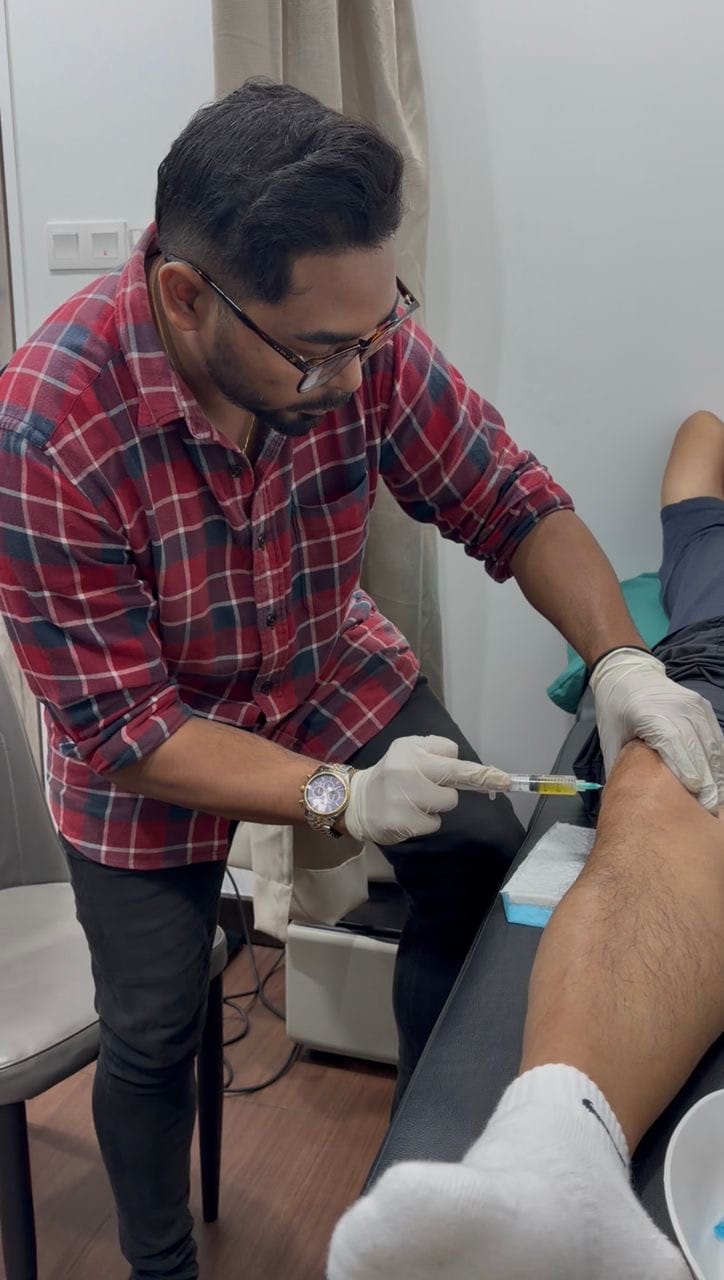
Equally important is the emphasis on preventive care and patient education in maintaining long-term joint health. Patients should be encouraged to adopt lifestyle habits that support joint function and reduce the risk of recurrence. Maintaining an optimal body weight is crucial, particularly for knee health, as excess weight places additional stress on weight-bearing joints. Regular low-impact exercises such as swimming, cycling, and guided strengthening programmes help improve muscle support around both the knee and shoulder, enhancing stability and reducing strain. Proper posture and ergonomics are essential, especially for individuals engaged in repetitive upper limb activities, to prevent shoulder injuries. Patients should also be advised to avoid sudden excessive sport or improper lifting techniques that may aggravate joint structures. Early medical consultation for persistent or worsening symptoms is key to preventing progression of underlying conditions and ensuring timely intervention.
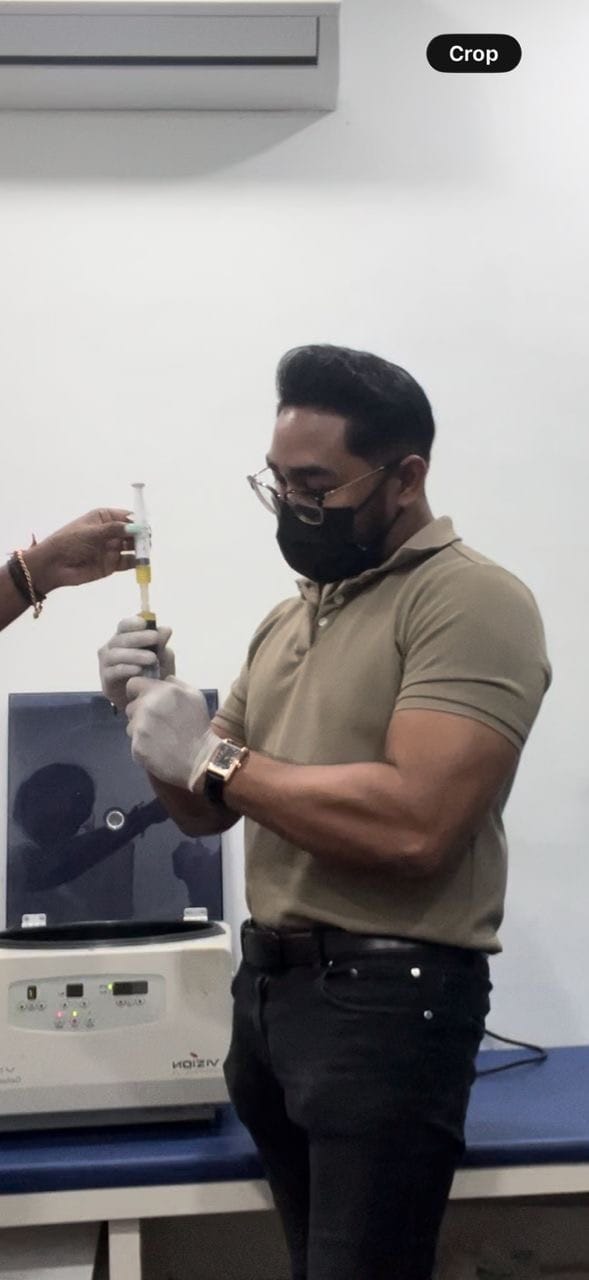
In conclusion, knee and shoulder injections represent a practical and impactful advancement in the management of musculoskeletal conditions within primary care. When combined with proper training, organisational support, and patient education, these interventions not only empower clinicians but also deliver substantial benefits to patients and the broader healthcare system.
Laguvendran Sandran (laguvendran96@gmail.com) is a content creator under the Newswav Creator programme, where you get to express yourself, be a citizen journalist, and at the same time monetize your content & reach millions of users on Newswav. Log in to creator.newswav.com and become a Newswav Creator now!
The User Content (as defined on Newswav Terms of Use) above including the views expressed and media (pictures, videos, citations etc) were submitted & posted by the author. Newswav is solely an aggregation platform that hosts the User Content. If you have any questions about the content, copyright or other issues of the work, please contact creator@newswav.com.