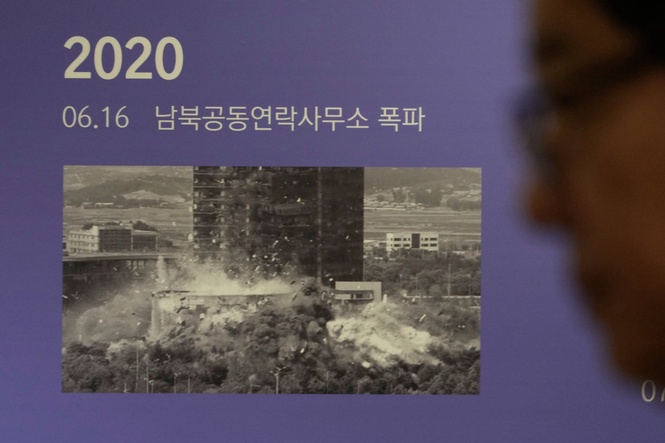
A South Korea court on Wednesday ordered North Korea to pay 44.6bn won (£24.2m ) in damages for demolishing an inter-Korean liaison office in 2020, in a largely symbolic act of holding the rival country accountable.
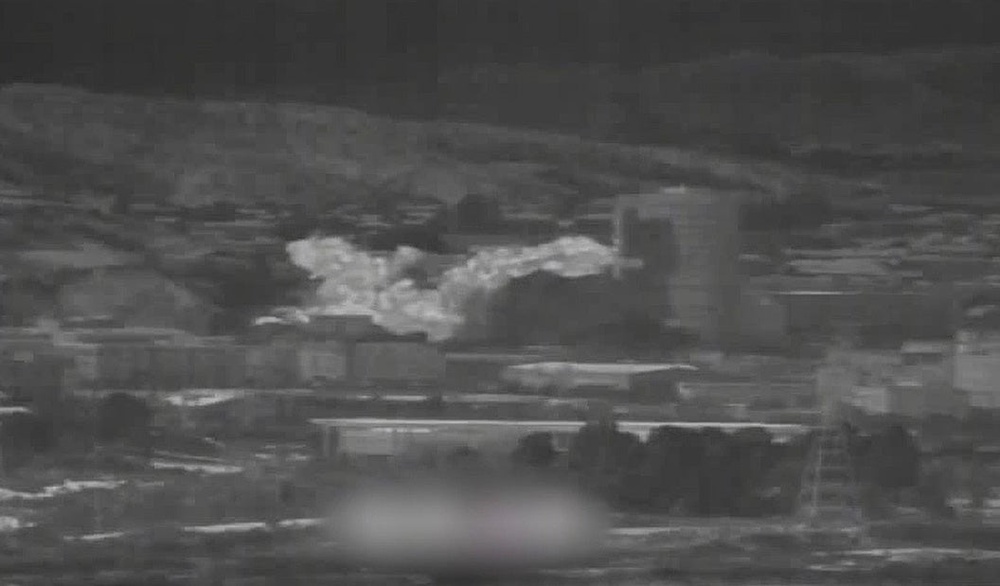
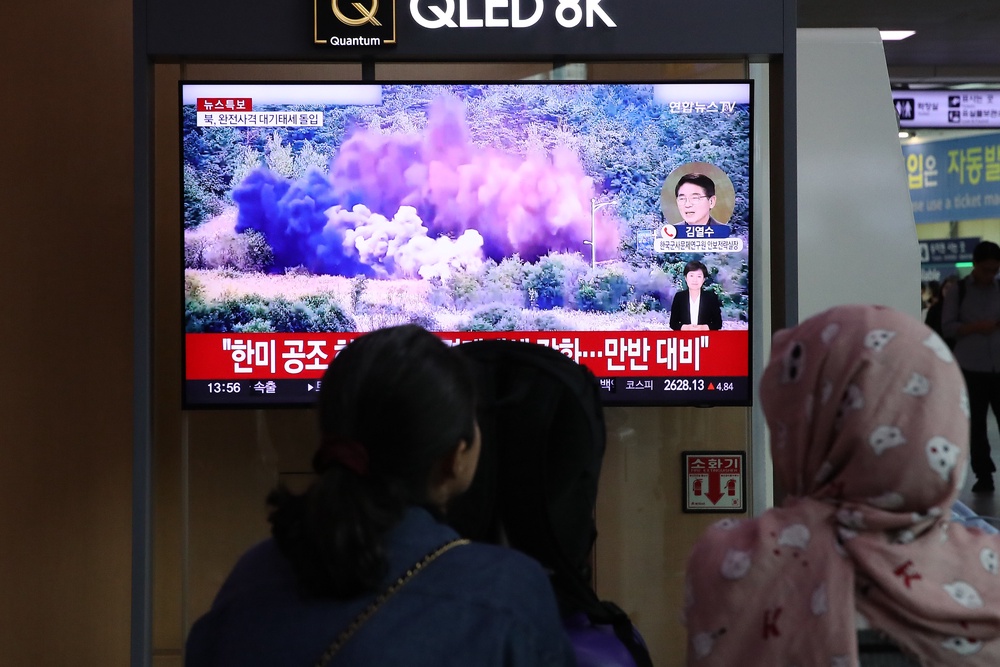
North Korea blew up the building in the Kaesong industrial complex, just north of the Demilitarised Zone, on 16 June 2020.
The office had been established two years earlier to serve as a round-the-clock communication and consultation channel between the rival neighbours.
North Korea used explosives to destroy the building in a “terrific explosion”, state media said at the time, noting that it was done after Seoul failed to stop North Korean defectors from flying balloons containing anti-Pyongyang propaganda leaflets across the border.
The destruction of the building prompted the South Korean government to bring a lawsuit against Pyongyang.
The Seoul Central District Court ruled in favour of the government, ordering the neighbour to pay damages and bear the litigation costs.
South Korea's unification ministry said it respected the ruling and called for a resumption of diplomacy to resolve all bilateral issues “through dialogue and cooperation”.
North Korean media didn't immediately comment on the ruling.
The ruling is only symbolic. There’s no clear way to force Pyongyang to pay as ties between the nations remain frozen.
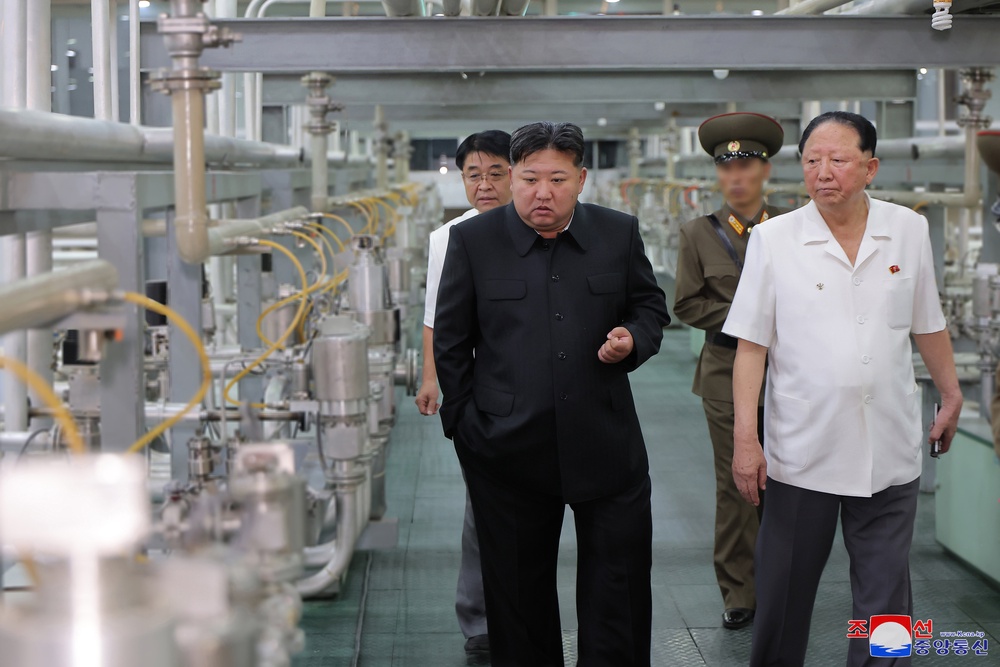
Bilateral ties cratered after North Korean leader Kim Jong Un suspended all meaningful diplomacy with the neighbour. North Korea even revised its constitution to declare South Korea as a "hostile state”, and blew up roads and railways connecting the two sides.
Pyongyang has also routinely tested ballistic missiles capable of carrying nuclear warheads, a strategy denounced by South Korea and Japan as a bid to flex its military muscle and intimidate the neighbours.
Relations between the neighbours started to worsen after former president Yoon Suk Yeol adopted a hardline approach on North Korea. However, he was ousted over his brief imposition of martial law in December 2024.
Seoul shifted to a softer tone after liberal president Lee Jae Myung took over last year, proposed talks to officially end the Korean War and suggested a "multi-layered security system" to avoid flare-ups on the de-facto border, known as the Demilitarised Zone.
The two Koreas went to war in 1950 and signed an armistice in 1953, freezing the conflict. Since they haven’t signed a peace treaty yet, the two countries are technically still at war.
"Let us put down our intentions to threaten each other and begin discussions to end the long-running war as the directly involved parties," Mr Lee said in August.
The lawsuit against North Korea was filed by the Yoon government in 2023, describing the rival’s detonation of the building as an unlawful and violent act that breached agreements and severely damaged “mutual respect and trust”.
The destruction of the building was seen as a calculated display of anger by North Korea to pressure Seoul over deadlocked nuclear negotiations with Washington.
Former liberal South Korean president Moon Jae In met Mr Kim three times in 2018 while helping set up his first summit with US president Donald Trump in June that year. However, the diplomatic effort went off the rails after the second Kim-Trump summit in 2019 where the Americans rejected the North Korean demand for major sanctions relief in exchange for a partial surrender of its nuclear capabilities.
The liaison office was already out of operation that year due to the coronavirus pandemic, which had prompted Pyongyang to seal its border.
Kim Jong Un says he will continue to back Putin’s ‘sacred war’ on Ukraine
North Korea boasts of ‘destructive power’ after testing weapons
North Korea responds to ‘provocative’ US-South Korea-Japan drills with missile tests
Is Kim Jong Un hiding a secret son? Spy agency investigates new report
South Korean gaming tycoon ordered to pay record £1.4bn divorce settlement
UN watchdog raises ‘serious concern’ over expansion of North Korean uranium facility
.jpg)