-min.png)

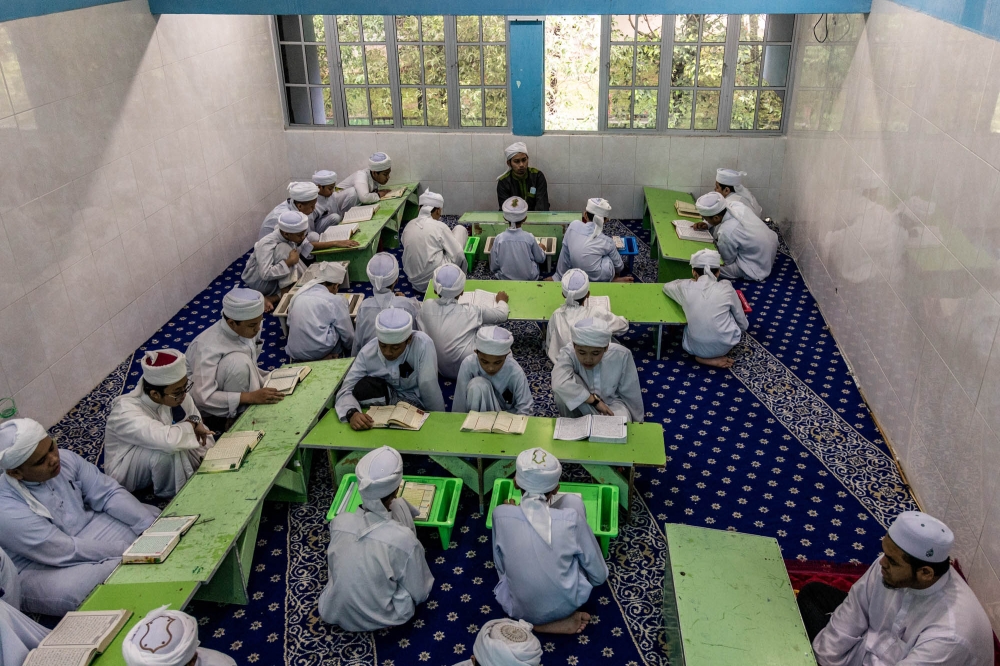
The ongoing debate over the existence of vernacular schools in Malaysia, schools that have historically used Tamil and Chinese as the medium of instruction, has been a topic of contention in recent years. Despite constitutional challenges from several non-governmental organizations, the High Court and the Court of Appeal have upheld the legality of these schools. As the Federal Court prepares to hear a renewed challenge, it's essential to revisit the Court of Appeal's unanimous decision on November 23, 2023.
The key issue addressed by the Court of Appeal was whether certain provisions of the Education Act 1996, specifically Sections 2, 17, and 28, are inconsistent with Article 152 of the Federal Constitution. The Court ruled that the Education Act provisions, which allow the establishment of vernacular schools, do not contradict the Constitution. Notably, Section 17 emphasizes the national language as the main medium of instruction but allows exemptions for vernacular schools under Section 28.
The Court's interpretation centered on whether teaching in languages other than Malay in vernacular schools constitutes an "official purpose" under Article 152. It concluded that vernacular schools are not considered public authorities, and their use of Tamil or Chinese as a medium of instruction does not violate the Constitution.
Addressing the protection of Tamil and Chinese languages in vernacular schools, the Court invoked Article 152(1)(b), asserting that the right to preserve and sustain the languages of different communities in Malaysia prevails. The Court highlighted the historical context, indicating that vernacular schools using these languages existed before the Federal Constitution and were not intended to be deemed unconstitutional.
Another crucial aspect of the Court's decision was the examination of whether the establishment of vernacular schools infringes on fundamental liberties outlined in Articles 5, 8, 10, 11, and 12 of the Federal Constitution. The Court rejected the argument that vernacular schools are unconstitutional, emphasizing that the choice to attend such schools is voluntary. It dismissed claims that attending vernacular schools might limit students' fundamental liberties, asserting that this choice is made with an awareness of the benefits, including cultural preservation and diversity.
Regarding the impending Federal Court hearing, two NGOs, the Islamic Education Development Council (Mappim) and the Confederation of Malaysian Writers Association (Gapena), are seeking leave to appeal the decision. They have raised seven legal and constitutional questions for the Federal Court's consideration. The outcome of this hearing will determine whether the constitutional debate surrounding the existence of vernacular schools in Malaysia continues. If leave to appeal is granted, the Federal Court will delve into these legal questions; otherwise, the Court of Appeal's decision will stand.
Evon Anak Jerim is a content creator under the Newswav Creator programme, where you get to express yourself, be a citizen journalist, and at the same time monetize your content & reach millions of users on Newswav. Log in to creator.newswav.com and become a Newswav Creator now!
The User Content (as defined on Newswav Terms of Use) above including the views expressed and media (pictures, videos, citations etc) were submitted & posted by the author. Newswav is solely an aggregation platform that hosts the User Content. If you have any questions about the content, copyright or other issues of the work, please contact Newswav.
