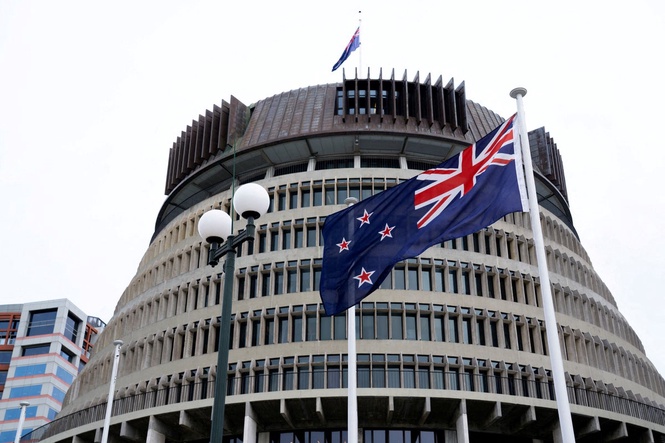
- New Zealand lawmakers have passed a bill to make English an official language of the country, effective from 30 July.
- This move places English on equal footing with the Māori language and New Zealand Sign Language, which were already official.
- The legislation, championed by the nationalist New Zealand First party and the centre-right National Party, was supported by the coalition government and Labour, but opposed by the Greens and Te Pāti Māori.
- Critics, including Green MP Tamatha Paul and linguistic experts, condemned the bill as ”virtue signalling and a waste of parliamentary time and money”, arguing English is not under threat and the move risks marginalising te reo Māori.
- Despite widespread opposition from nearly two-thirds of public submissions, proponents argued it was a practical measure to align the statute book with existing practice.
IN FULL