

Heart attacks, also known as myocardial infarctions, are a leading cause of death worldwide. Understanding the causes, symptoms, and treatment options for heart attacks is crucial for early detection and effective management of this life-threatening condition. What is a Heart Attack? A heart attack occurs when the blood flow to a part of the heart is blocked, usually by a blood clot. This blockage deprives the heart muscle of oxygen and nutrients, causing damage to the affected area of the heart. Without prompt medical intervention, a heart attack can lead to serious complications, including heart failure and even death.
Causes of Heart Attacks
Several factors contribute to the development of a heart attack. The most common cause is the buildup of fatty deposits called plaque in the coronary arteries, a condition known as atherosclerosis. These deposits can narrow the arteries, reducing blood flow to the heart. When a plaque ruptures, it can trigger the formation of a blood clot that blocks the flow of blood to the heart muscle, leading to a heart attack.
Other risk factors for heart attacks include:
High blood pressure: Hypertension increases the workload on the heart and can damage the arteries over time, increasing the risk of a heart attack.
High cholesterol: Elevated levels of cholesterol in the blood can contribute to the formation of plaque in the arteries, narrowing them and increasing the risk of a heart attack.
Smoking: Tobacco smoke contains chemicals that can damage the blood vessels and promote the formation of plaque, increasing the risk of heart attacks.
Diabetes: Uncontrolled diabetes can damage blood vessels and nerves, increasing the risk of heart disease and heart attacks.
Obesity: Being overweight or obese can increase the risk of developing heart disease and experiencing a heart attack.
Family history: A family history of heart disease can increase an individual's risk of experiencing a heart attack.
Symptoms of a Heart Attacks
Common symptoms include:
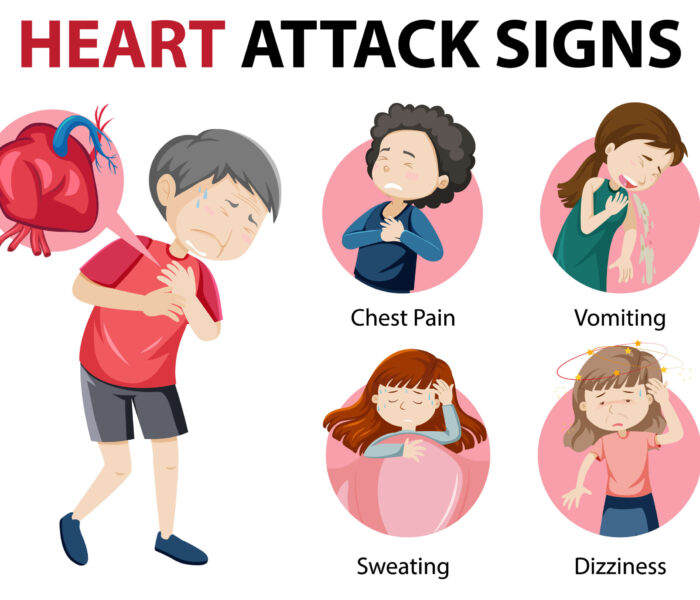
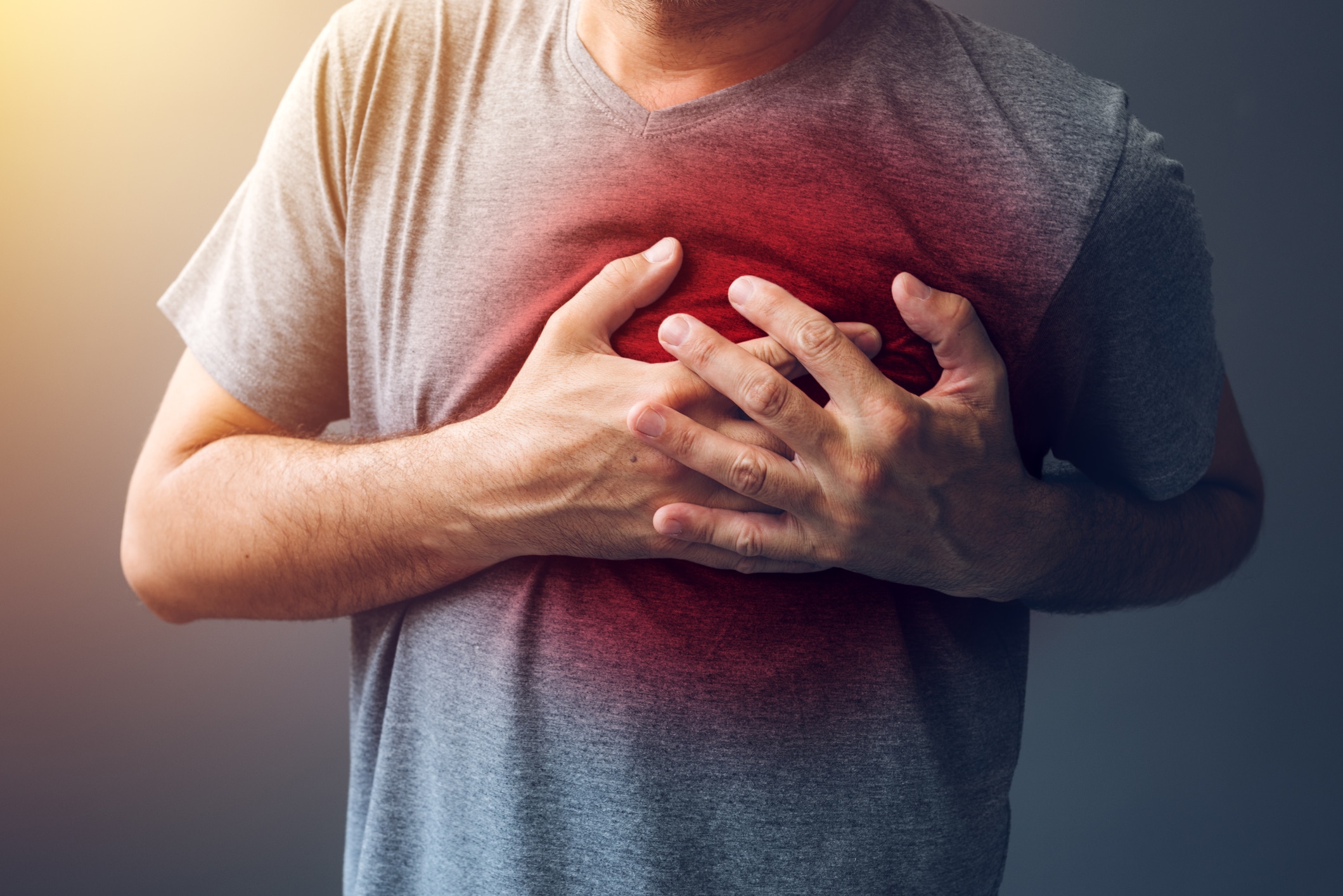
Chest pain or discomfort: This is the most common symptom of a heart attack and may feel like pressure, tightness, or a squeezing sensation in the chest that lasts for more than a few minutes.
Pain or discomfort in other areas of the upper body: This may include pain or discomfort in the arms, back, neck, jaw, or stomach.
Shortness of breath: Difficulty breathing or feeling short of breath may occur during a heart attack.
Nausea, vomiting, or lightheadedness: Some people may experience these symptoms during a heart attack.
Cold sweats: Profuse sweating, especially accompanied by other symptoms, may indicate a heart attack. It's important to note that not everyone experiences the same symptoms, and some people may have a heart attack without any symptoms, a condition known as a silent heart attack.
Treatment of Heart Attacks
Immediate medical treatment is crucial for improving the outcome of a heart attack. If you or someone else is experiencing symptoms of a heart attack, it's important to call emergency services immediately.Treatment options for a heart attack may include:
Medications: Thrombolytic medications, also known as clot-busting drugs, may be administered to dissolve the blood clot causing the heart attack. Other medications, such as aspirin and nitroglycerin, may also be given to relieve symptoms and prevent further complications.
Angioplasty and stenting: In this procedure, a catheter with a balloon at the tip is inserted into the blocked artery. The balloon is then inflated to widen the artery, and a stent may be placed to keep the artery open.
Coronary artery bypass surgery: In some cases, bypass surgery may be necessary to reroute blood flow around a blocked artery.
Lifestyle changes: After a heart attack, making lifestyle changes such as adopting a heart-healthy diet, exercising regularly, quitting smoking, and managing stress can help reduce the risk of future heart attacks.
Heart attacks are serious medical emergencies that require prompt attention and treatment. By understanding the causes, symptoms, and treatment options for heart attacks, individuals can take steps to reduce their risk and improve their heart health. If you or someone else is experiencing symptoms of a heart attack, don't delay seeking medical help. Acting quickly can save lives and prevent serious complications.
Reference: Cleveland Clinic
Darsha is a content creator under the Newswav Creator programme, where you get to express yourself, be a citizen journalist, and at the same time monetize your content & reach millions of users on Newswav. Log in to creator.newswav.com and become a Newswav Creator now!
The User Content (as defined on Newswav Terms of Use) above including the views expressed and media (pictures, videos, citations etc) were submitted & posted by the author. Newswav is solely an aggregation platform that hosts the User Content. If you have any questions about the content, copyright or other issues of the work, please contact Newswav.