“THIS is truly a garbage crisis.”
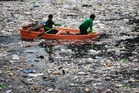
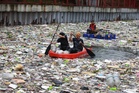
These were the words spoken by Public Works Secretary Vince Dizon earlier this month, after workers hauled about 200 dump trucks worth of garbage from the Redemptorist Water Channel in Baclaran.
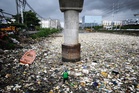
The waste included plastic bottles, grocery bags, sachets, food containers, styrofoam products, general household trash, worn textiles, discarded personal items, large pieces of drift timber, scrap wood, bamboo and sacks filled with silt and waste.
The garbage clogged drainage channels, esteros and pumping stations, blocking 70 percent of Metro Manila’s internal drainage system and trapping floodwaters during heavy rains.
“We have to fix this now,” Dizon said as he called for the development of an overall master plan that would address the country’s garbage problem — and the resulting perennial flooding in the metropolis.
In coming up with a master plan, the government might want to consider strategies from here and abroad that have successfully resolved the garbage problem in their cities.
The city of Curitiba, Brazil, for example, has done away with dump trucks that cannot get through narrow slum alleys, and has instead set up mobile neighborhood collection docks where poor residents bring sorted trash in exchange for fresh produce, bus tokens and school supplies.
Taipei, Taiwan, has eliminated static dumpsters, requiring residents to hand-deliver trash directly to incoming garbage trucks playing classical music. Citizens must buy official prepaid, taxed trash bags, making household waste disposal an immediate, direct personal cost.
In Guayaquil, Ecuador, the city installed reverse vending machines across public transit terminals that allow commuters to insert plastic bottles and aluminum cans in exchange for instant transit card credits to pay for bus fares. Surabaya, Indonesia, has a similar scheme.
But Secretary Dizon need not travel far to find solutions to the garbage problem.
He merely needs to drive around in Marikina City, also known as the shoe capital of the Philippines. Then he can see for himself why the city is the gold standard for cleanliness in Metro Manila. Even the sidewalks around the public market are free from litter.
Keeping the city clean doesn’t require a huge budget. What it does entail is a combination of strict law enforcement, institutionalized household discipline, and an engineered, highly reliable collection system.
Under City Ordinance 046, the city prohibits leaving loose garbage bags unattended on sidewalks, where they can be ripped open by scavengers or stray dogs. Instead, residents must store trash inside and give it directly to collection trucks when they pass.
Marikina does not rely on voluntary compliance. Mixing biodegradable and nonbiodegradable trash is illegal and results in a P2,000 fine or community service, such as street sweeping and cleanup duties. Littering, spitting or blowing your nose in public are prohibited, and are fined from P200 to P500, depending on which ordinance you are deemed to have violated.
Enforcement is actively carried out by the City Environmental Management Office and local enforcers to maintain public health and sanitation across streets, parks, public transport and commercial areas.
Remarkably, this culture of cleanliness, which began in the 1990s when the then-mayor Bayani Fernando treated the city’s chaos and dirt as an engineering problem, has survived changes in the political leadership for more than 30 years. Today, civic pride about the city’s cleanliness and discipline is a defining part of the Marikeño identity.
Sadly, Fernando was unable to replicate this success when he was chairman of the Metropolitan Manila Development Authority between 2002 and 2009, but maybe somebody else can.
We don’t need an overseas fact-finding mission or another expensive blueprint to save Metro Manila from drowning in garbage and floodwaters. The master plan already exists — it’s currently being executed, street by street, in Marikina. All our leaders have to do is follow it.