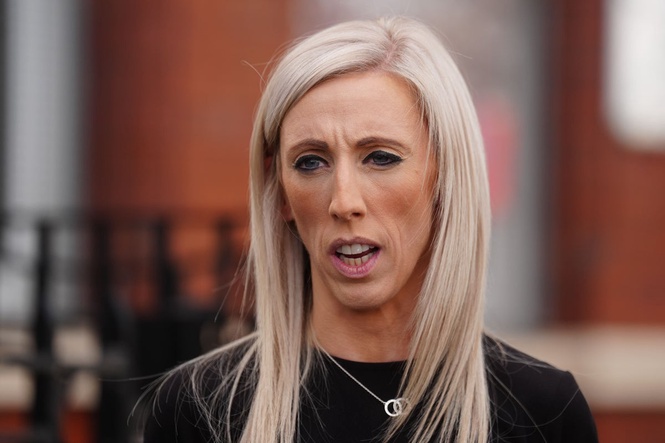
Upper Bann MP Carla Lockhart has stepped down from the DUP following an internal disagreement over the party’s handling of the fallout from the contentious Drumcree parading dispute.
Ms Lockhart confirmed that she will now sit as an independent unionist MP in the House of Commons.
Her departure comes after widespread anticipation of a split, stemming from friction with DUP leadership over its refusal to remove Sinn Féin’s Michelle O’Neill from her position as First Minister.
Ms Lockhart maintains that Ms O’Neill is unsuited to remain as one of Stormont’s co-leaders after taking part in an allegedly unlawful protest opposing an Orange Order parade at Drumcree in Portadown in September.
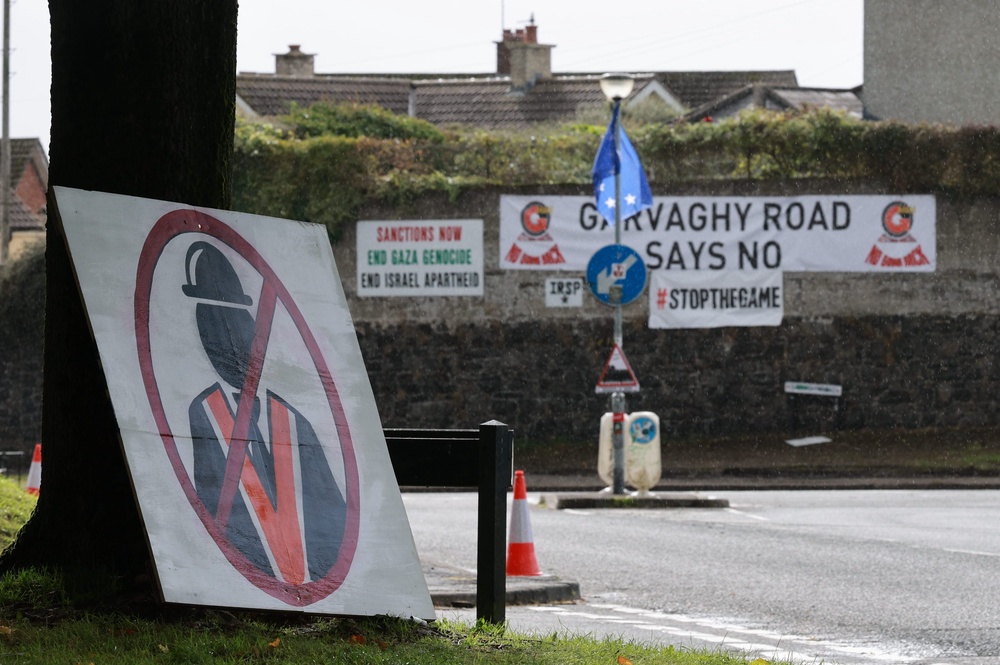
Police are currently investigating Ms O’Neill alongside several of her party colleagues for participating in the protest on Garvaghy Road, which was organised to stop the parade proceeding through the predominantly nationalist area.
The MP had urged her party leadership to pull deputy First Minister Emma Little-Pengelly from her office, a procedural action that would automatically force Ms O’Neill from her role.
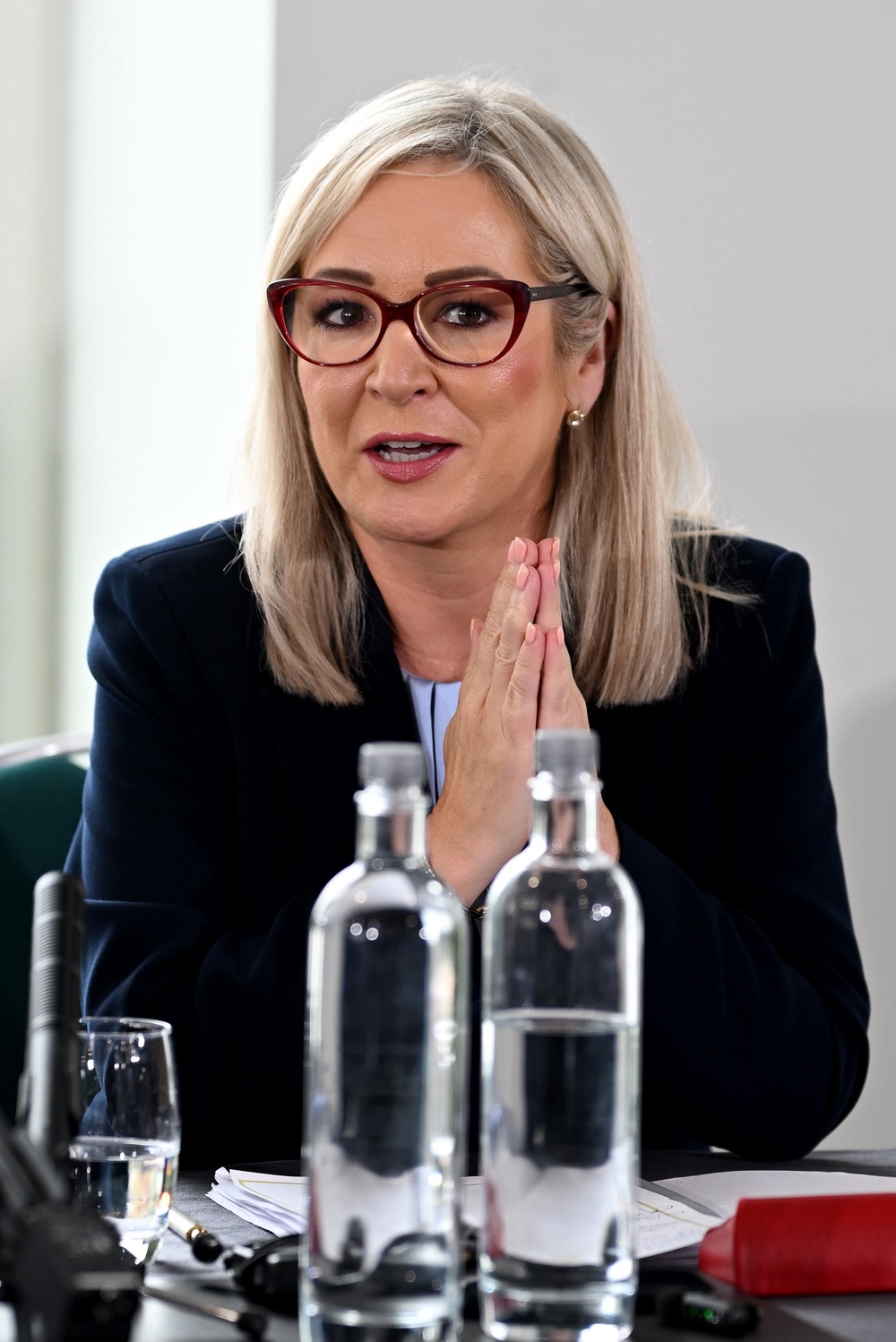
Rather than removing Ms Little-Pengelly from her office, the DUP stopped short of pulling her out of her role, announcing on Thursday last week that she would no longer participate in joint engagements with Ms O’Neill.
Ms Little-Pengelly will also not be giving permission for Ms O’Neill to fulfil engagements on her own in her official capacity as First Minister.
Ms Lockhart, who had previously resigned as a member of the DUP’s internal decision making body two weeks ago, posted a copy of her resignation letter to DUP leader Gavin Robinson on social media on Monday evening.
"It is with deep regret that I resign from the DUP Parliamentary group and my membership of the party with immediate effect," she wrote.
"I will continue to serve Upper Bann as an independent unionist MP and will copy this letter to the Speaker accordingly. The DUP has been my political home for more than two decades. This is a painful decision, reached after much reflection."
She added: "The party’s response has fallen far short of the profound consequences promised (for Ms O’Neill). Alongside my concerns over the implementation of the Irish Sea border, this has left me unable, in all conscience, to continue within the party.
"I must remain true to my principles and the trust those who elected me have placed in me. I appreciate the cordial manner in which you have approached our disagreements.
"None of this is personal, and I bear no animosity towards you or the party. There is much upon which we can continue to work together for Northern Ireland and our place within the Union. I stand ready to do so in friendship and cooperation."
In a statement, the DUP expressed regret at Ms Lockhart’s decision.
"We regret Carla Lockhart’s decision to resign from the Democratic Unionist Party. We thank her for her service to the Party and recognise her work on behalf of the people of Upper Bann. The only winner out of further divisions within unionism is Sinn Féin.
"We share the anger felt across unionism at Michelle O’Neill’s actions. Our disagreement is over the course of action that will secure accountability and best serve Northern Ireland."
Withdrawing Ms Little-Pengelly from her post would automatically force Ms O’Neill from office because of the joint nature of powersharing structures in Northern Ireland.
Taking such a step would effectively collapse the devolved administration in Belfast, as the Executive could no longer meet to make significant decisions.
However, individual departmental ministers would remain in post for up to six months, and the Northern Ireland Assembly could continue to sit.
The political conflict is taking place against the backdrop of customary political manoeuvring that occurs at Stormont ahead of an Assembly election.
A determination by the Parades Commission adjudication body permitting the Orange Order to parade down Garvaghy Road for the first time in nearly 30 years prompted a two-week standoff at the site of a notorious flashpoint during the Troubles.
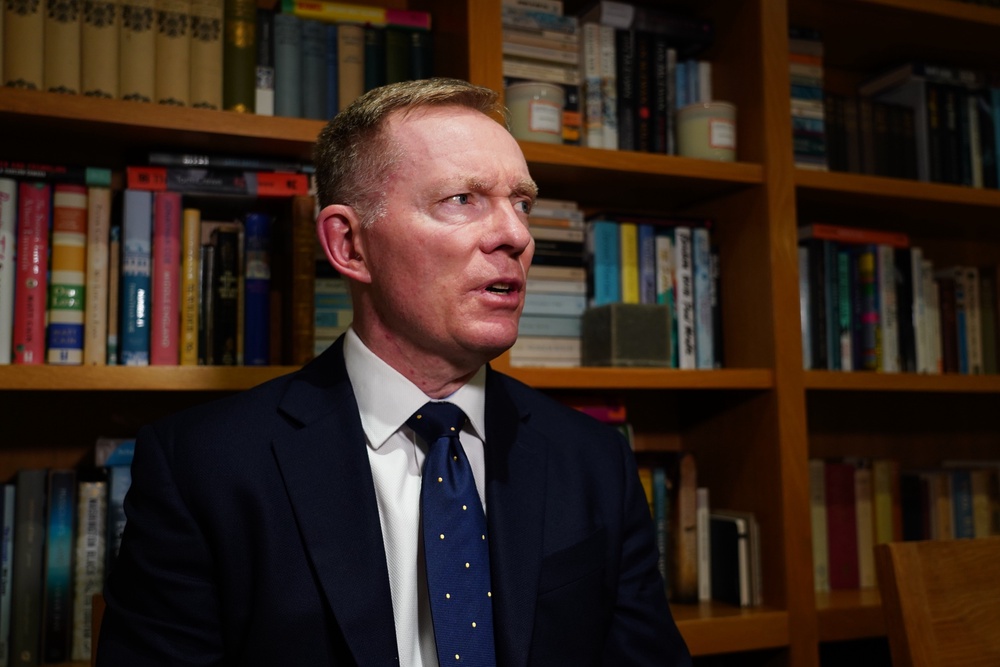
The procession was ultimately unable to take place due to significant numbers of demonstrators on Garvaghy Road, leading Northern Ireland Secretary Sir Chris Bryant to overturn the commission’s decision and ban the march. His decision was upheld by a High Court judge last week.
Under parading laws in Northern Ireland, protests must be notified to, and approved by, the Parades Commission.
Police investigating the unnotified Garvaghy Road protest, staged on the day the Drumcree parade was due to proceed on September 27, said invitations to attend interviews were sent to individuals "reasonably suspected of committing offences".
The ongoing political fallout over Drumcree comes at a time when Stormont remains without an agreed budget for the current financial year.
Read MoreO’Neill insists she will not be deterred after DUP block ministerial engagements
How the SAS tracked a notorious IRA sniper to a secluded thorn bush
Stormont chamber unites in sadness at loss of Olympian Ciara Mageean
Mahmood ‘U-turns’ on plans to make foreign carers wait 15 years for settlement
Adventurer Karl Bushby’s mum asks ‘where have you been’ after 28-year walk ends
US voters to head to polls in crunch elections seen as referendum on Trump