Following a deferment in December 2025 to the middle of this year, the expected increase in prices of locally-assembled (CKD) cars in the country, by up to 30%, has been permanently resolved that will result in no increase or if any, negligible, increase in prices.
The Malaysian Automotive Association (MAA) president Mohd Shamsor Mohd Zain, clarified that the PU(A) 402/2019-Excise Tax Regulations (Determination of Value of Locally Produced Goods for Excise Tax Purposes) will be calculated using a new method that results in no to little increase in the taxation of CKD cars.
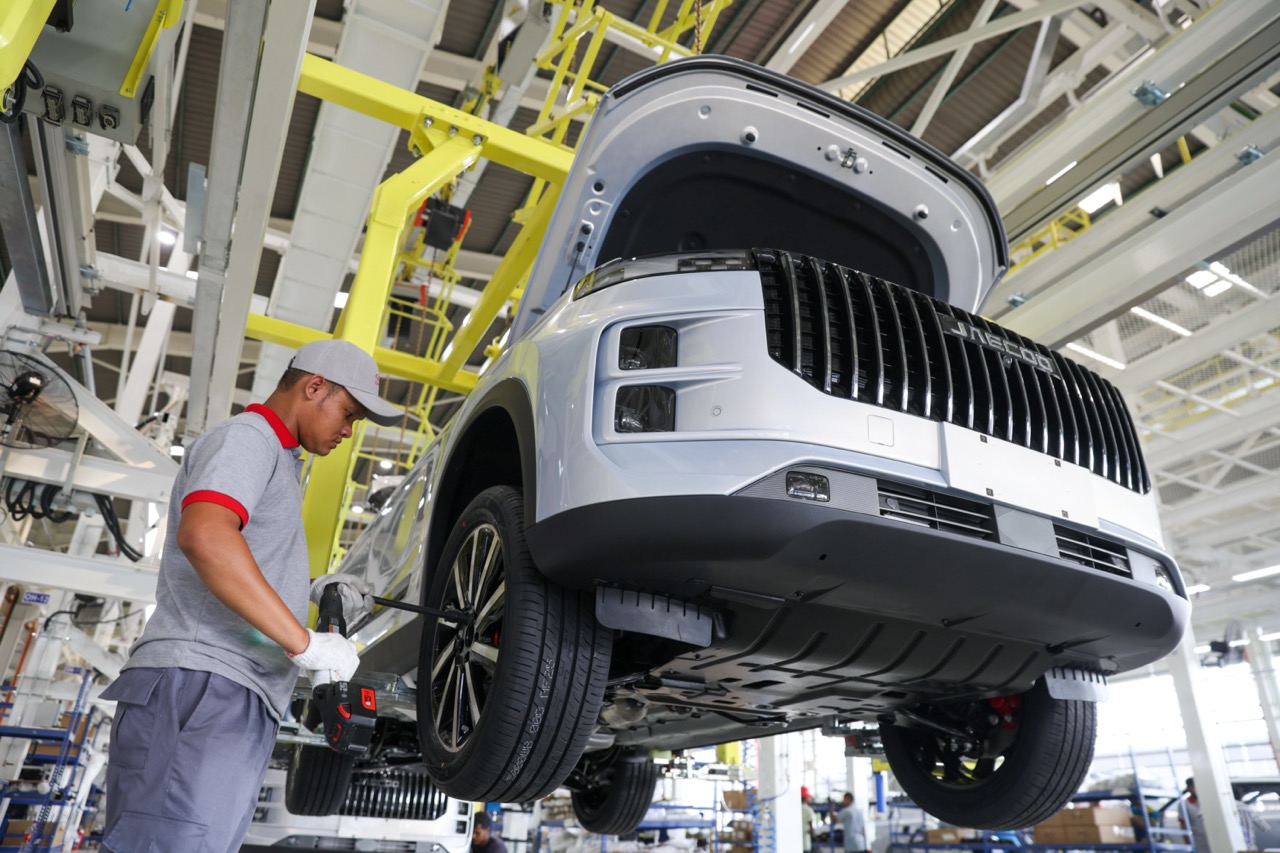
However, the move by the finance ministry to further defer this in December 2025 sowed plenty of fear that there would be a last-minute plot twist and the increases might actually take effect.
Fortunately, the delay was merely to allow all stakeholders to finalise their paperwork and proposals as each manufacturer has different methods of declaring their businesses.
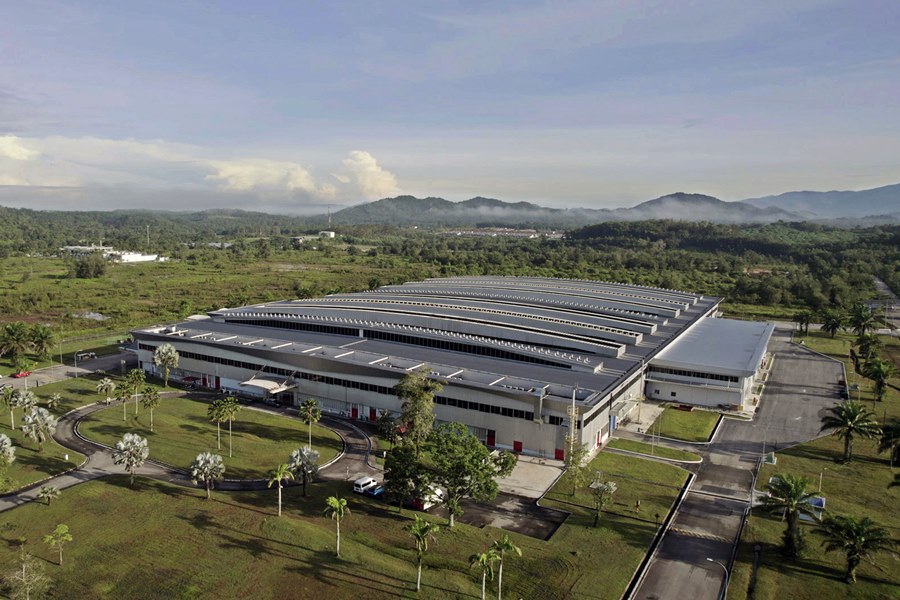
The OMV/402 issue stems from the methodology of calculating a CKD cars open market value (OMV). What that means is the car’s final market value once fully assembled but excluding the excise duties, which are calculated from the OMV and added in to give us the final selling price.
While the OMV figure includes the costs of the CKD pack, manufacturing, components and all other administrative costs, the method that each manufacturer calculates the final value differs according to how their business is run.
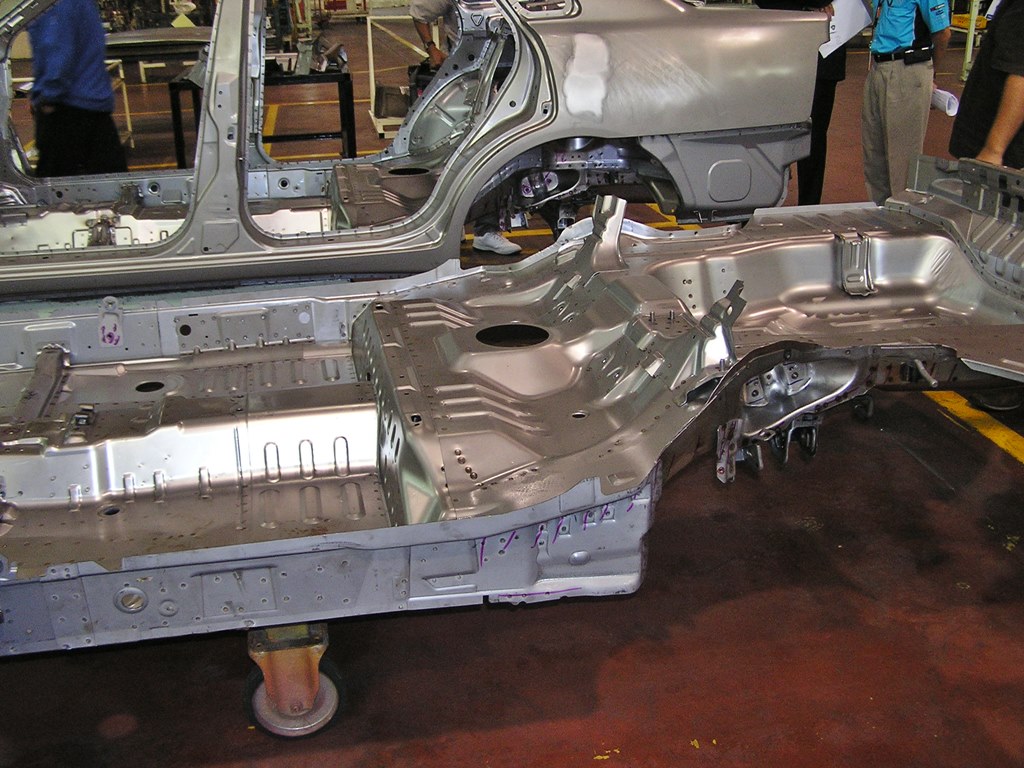
The regulations were to kick off in 2020 but we all know what happened then. It kept getting deferred multiple times with the last supposedly set for 31 December 2025, prior to the finaly delay of six months till June 2026.
Pushing it back did keep the industry trundling on but the cloud of uncertainty floating above the industry’s head was not conducive for the future as it hindered long-term planning and potential investments. Nobody wants to inject funds into something that could be reversed in just a year.
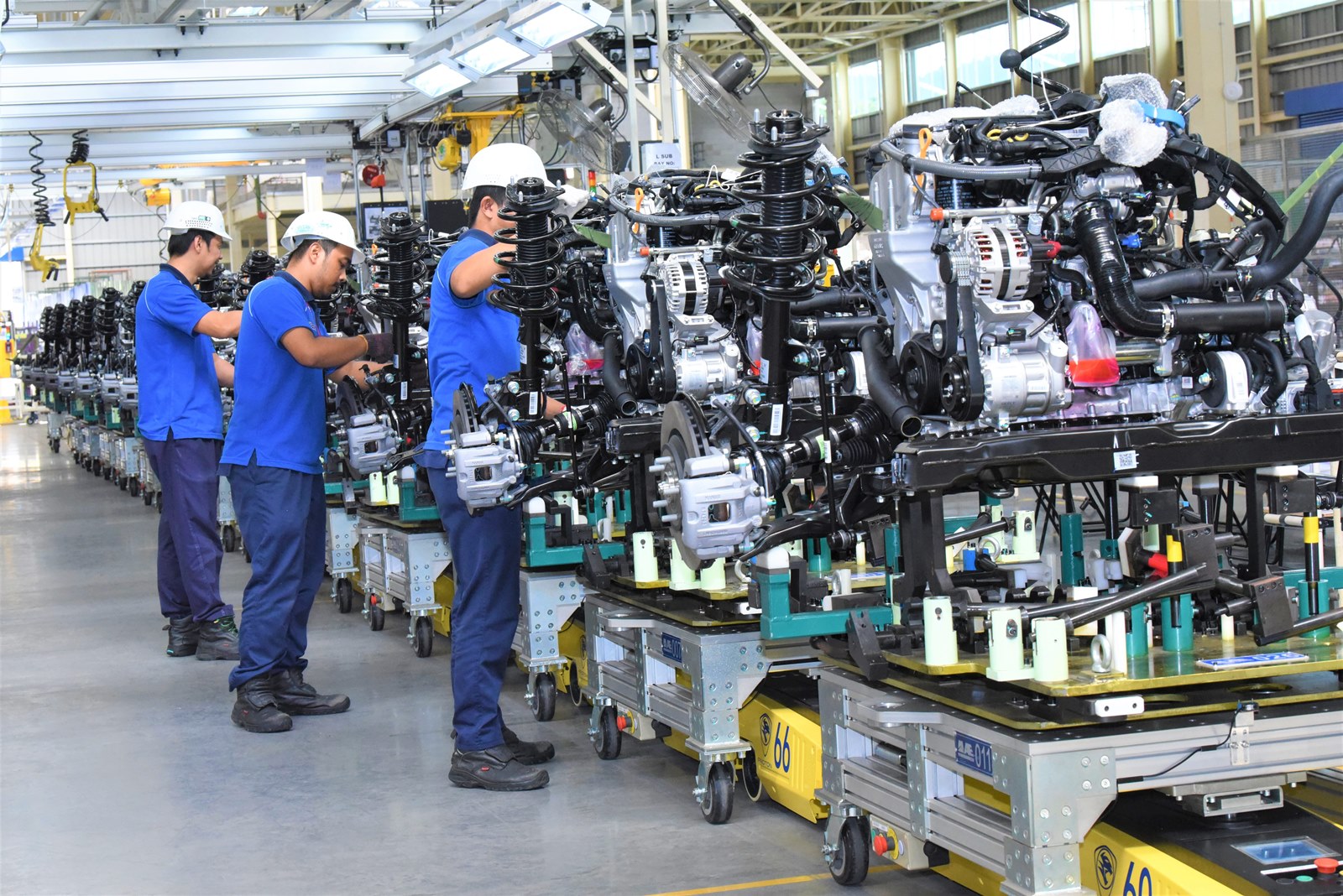
Many feared that an increase of up to 30% would simply lead manufacturers to abandon CKD operations and just run on a CBU model like Singapore. While it would see the government coffers fill up more, the industry would collapse as sales might drop due to high prices and job opportunities would cease. After all, the automotive ecosystem in Malaysia is extremely extensive and a drop would create a cascading domino effect.
At long last though, all parties involved have to an agreement permanently, allowing the industry to move forward and plan for the long run.