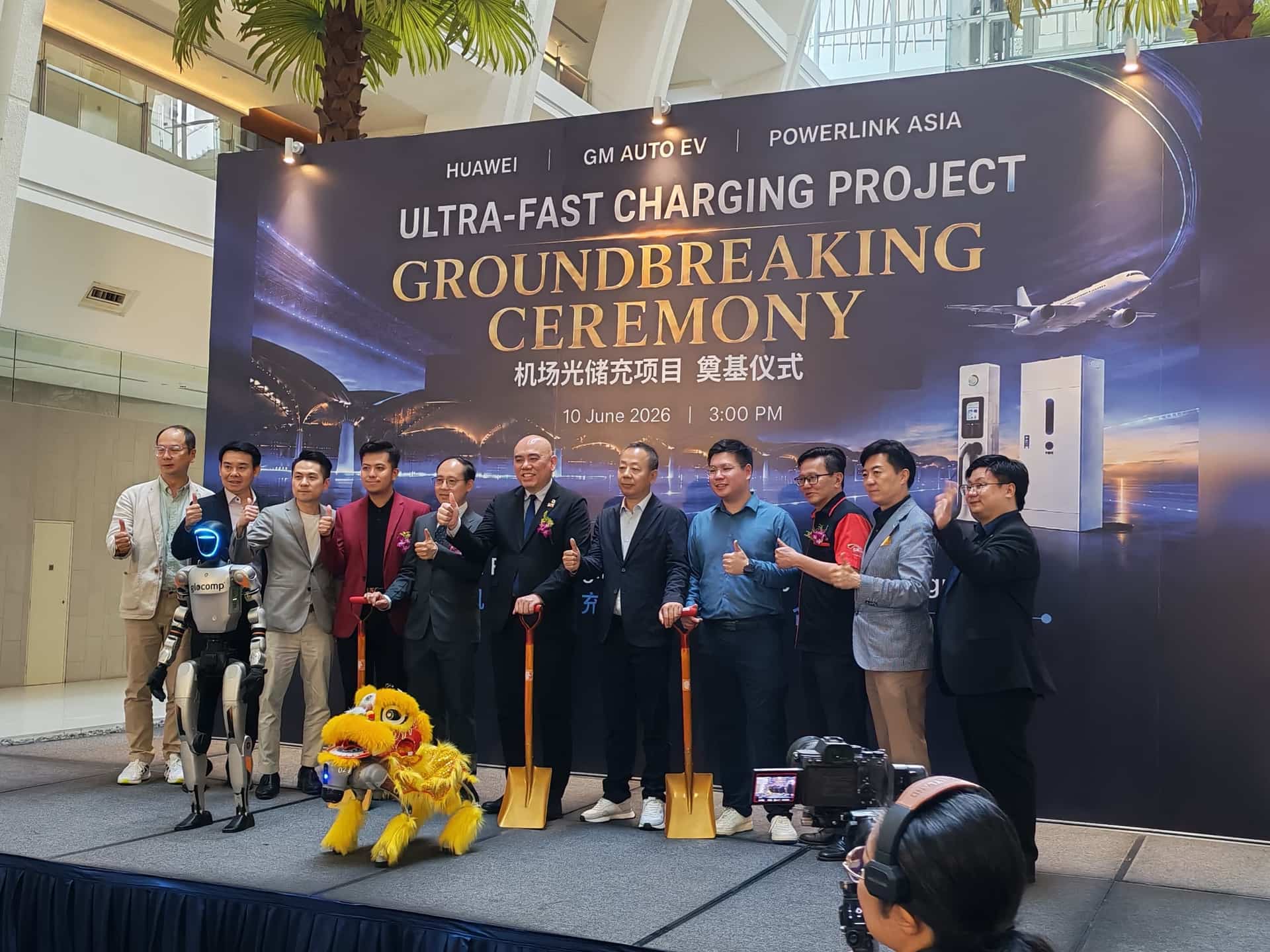
The official launch of Malaysia International Airport’s first flagship EV Ultra-Fast Charging Project at KLIA Terminal 2 represents a major leap in Malaysia’s journey towards sustainable transportation, smart infrastructure and clean energy adoption.
Developed through a strategic partnership between Powerlink Asia Sdn Bhd, GM Auto EV Sdn Bhd and Huawei Technologies (Malaysia) Sdn Bhd, the project is a demonstration of how technology, infrastructure and mobility expertise can come together to support Malaysia’s transition towards a low-carbon economy.
Malaysia will thus join a growing number of countries integrating advanced electric vehicle infrastructure into major transportation hubs, supporting both domestic EV users and international travellers.
Why EV Ultra-Fast Charging Matters
As electric vehicle ownership grows, charging convenience remains one of the most important factors influencing adoption.
Unlike conventional chargers that may take several hours to recharge a vehicle, the Huawei fusion-charge liquid-cooled ultra-fast charging solution significantly reduces charging times.
For motorists, this means less waiting, greater flexibility and improved confidence undertaking long-distance journeys.
The charging station, located in the KLIA T2 car park is equipped with 12 charging points, and will be available to the public at the end of July.
The availability of ultra-fast charging at KLIA T2 is particularly important for airport users. Travellers driving from different parts of the country can recharge quickly before catching a flight or upon returning home. Airport transfer operators, ride-hailing services and commercial fleets also benefit from reduced downtime and improved operational efficiency.
Transforming Airports into Mobility Hubs
Modern airports are evolving beyond their traditional role as aviation gateways. Increasingly, they serve as integrated mobility centres connecting air travel, public transportation, logistics services and private vehicles.
The KLIA EV Supercharging Project reflects this transformation.
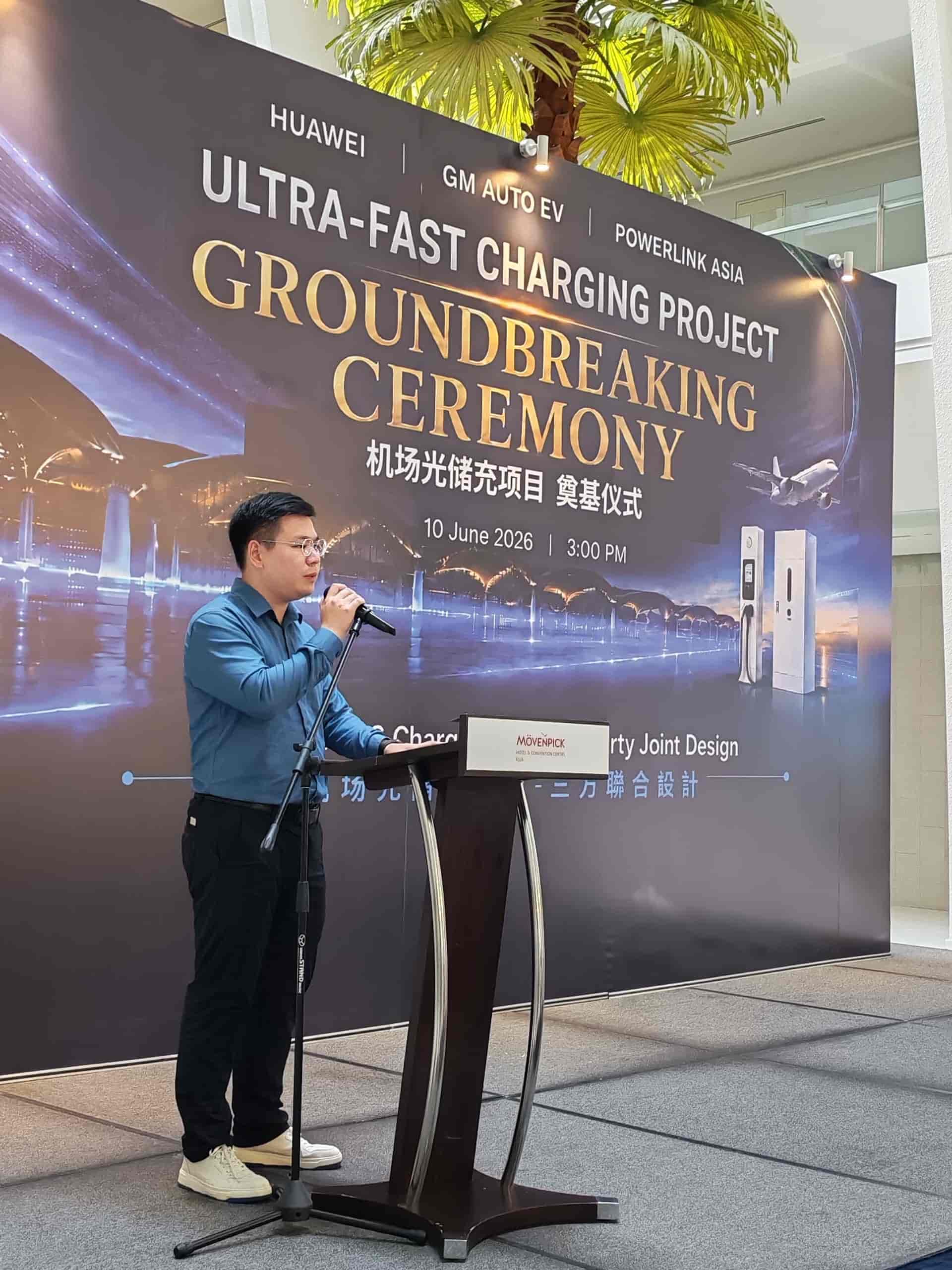
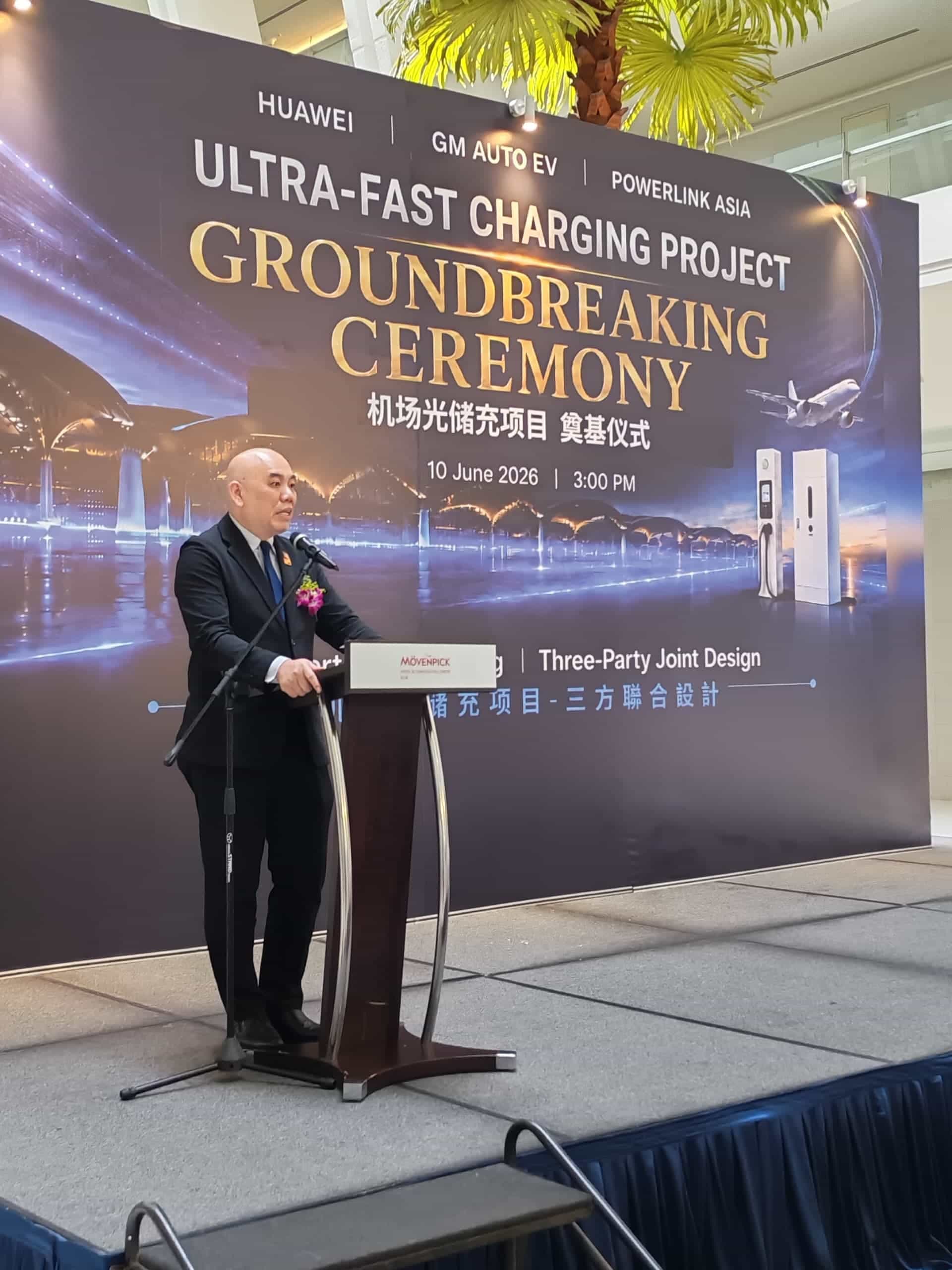
Powerlink Asia Sdn Bhd director Winson Tan said the project would provide EV users travelling to and from Malaysia’s premier international gateway with greater convenience while encouraging wider EV adoption among Malaysians and international visitors.
He added that the facility would support the electrification of airport-related transportation services, an important step as airports and transportation providers seek to reduce carbon emissions and embrace cleaner mobility solutions.
Beyond serving immediate transportation needs, Winson noted that the project aligns with Malaysia’s broader aspirations to become a regional leader in green mobility, sustainable infrastructure and clean energy innovation.
A Bigger Vision for Malaysia’s EV Future
Mr Ethan Chen, managing director of Ecolink Energy Holdings Limited and general manager of Powerlink Asia Sdn Bhd, said the plan was to deploy approximately 300 ultra-fast EV charging stations across Malaysia within the next two years.
The planned expansion would significantly strengthen the country’s charging ecosystem and provide EV owners with greater confidence to travel nationwide.
The presence of ultra-fast charging facilities at KLIA T2 sends a strong signal that Malaysia is embracing future mobility technologies and investing in environmentally responsible infrastructure.
Visitors renting electric vehicles can travel with greater confidence, while tourism operators, limousine providers and ride-hailing companies gain access to infrastructure that supports greener operations.
The result is a more seamless, efficient and sustainable travel experience from the moment visitors arrive in the country.
International Collaboration Driving Sustainable Development
The significance of the project extends beyond transportation infrastructure.
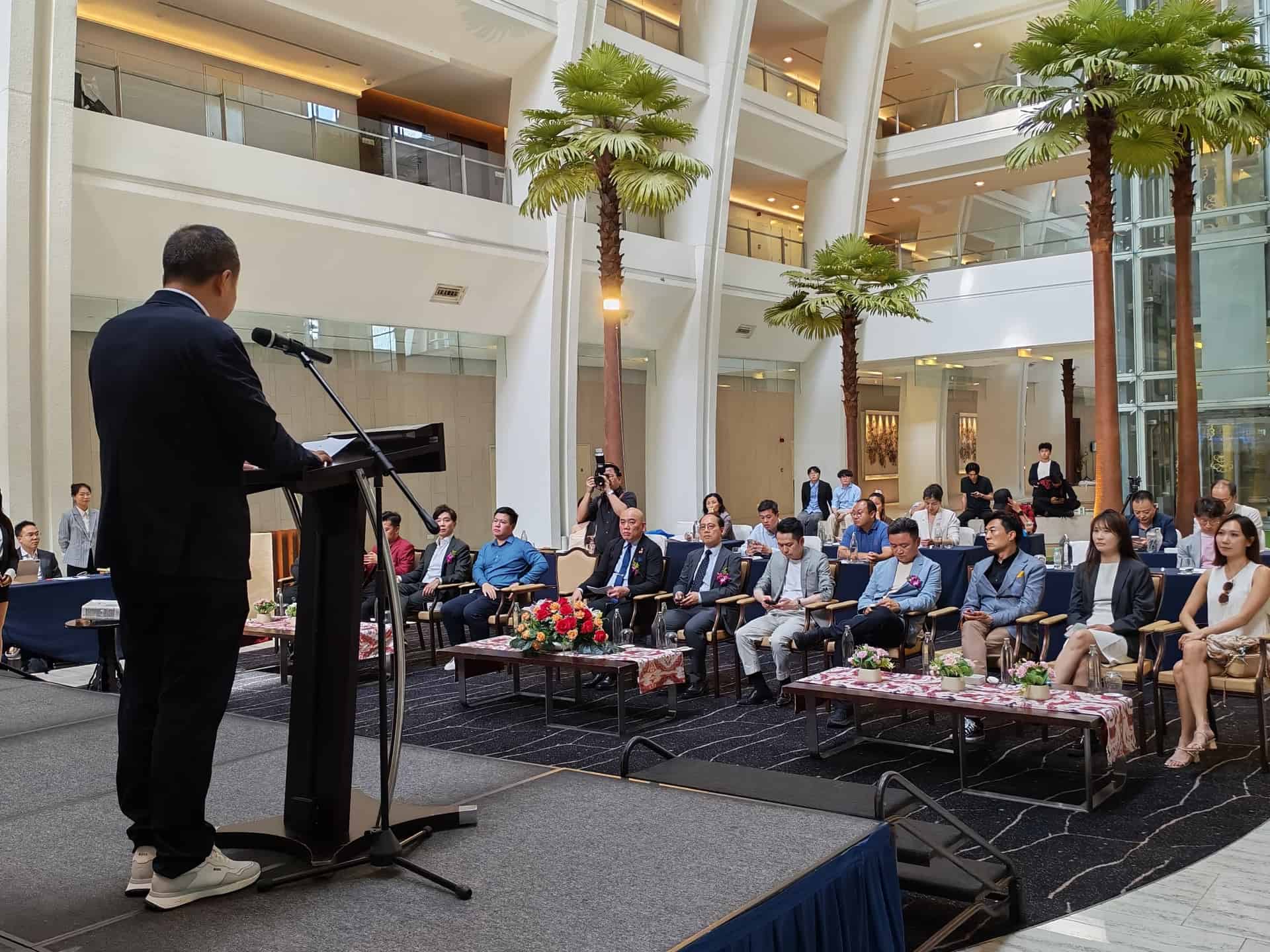
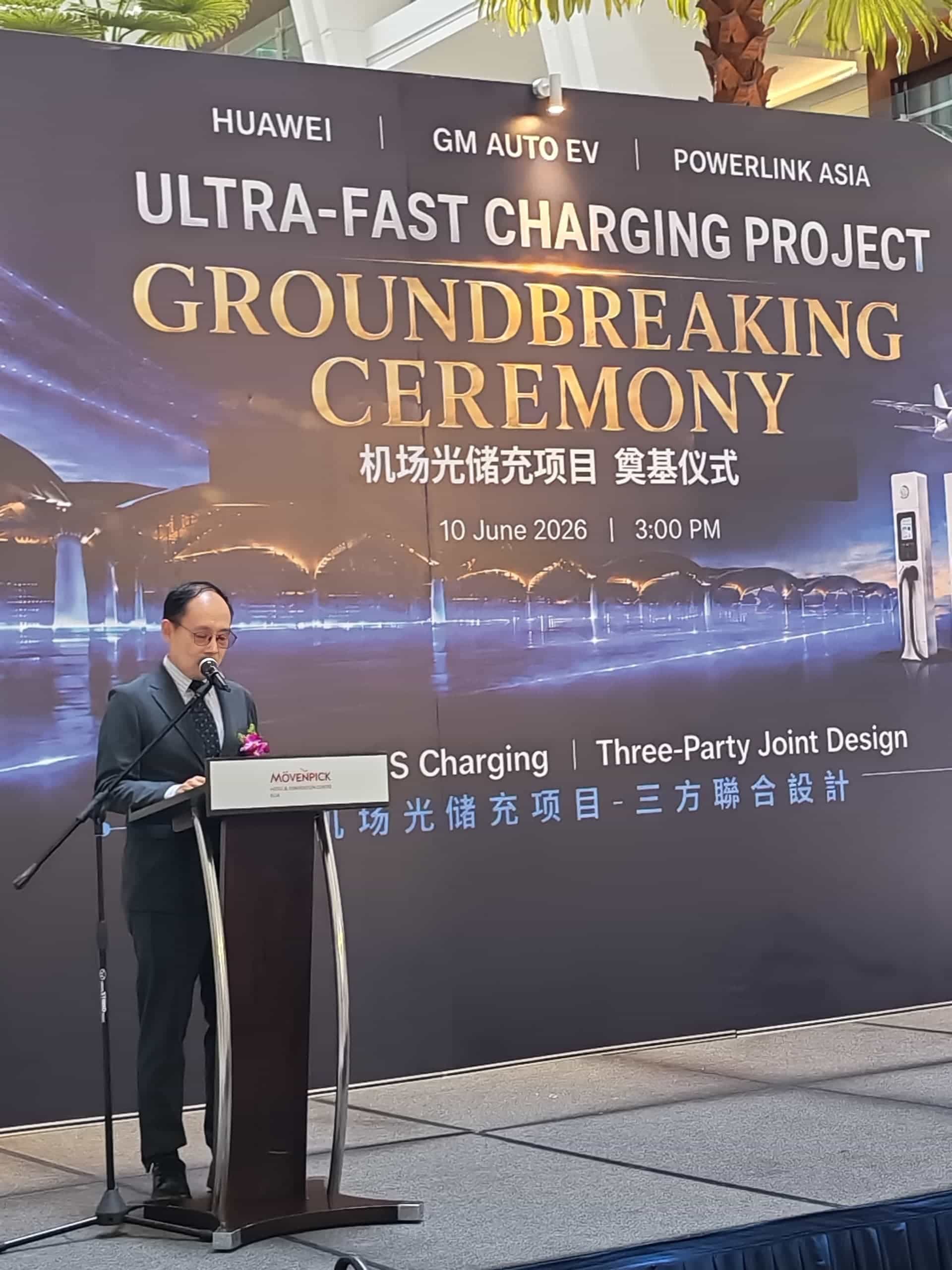
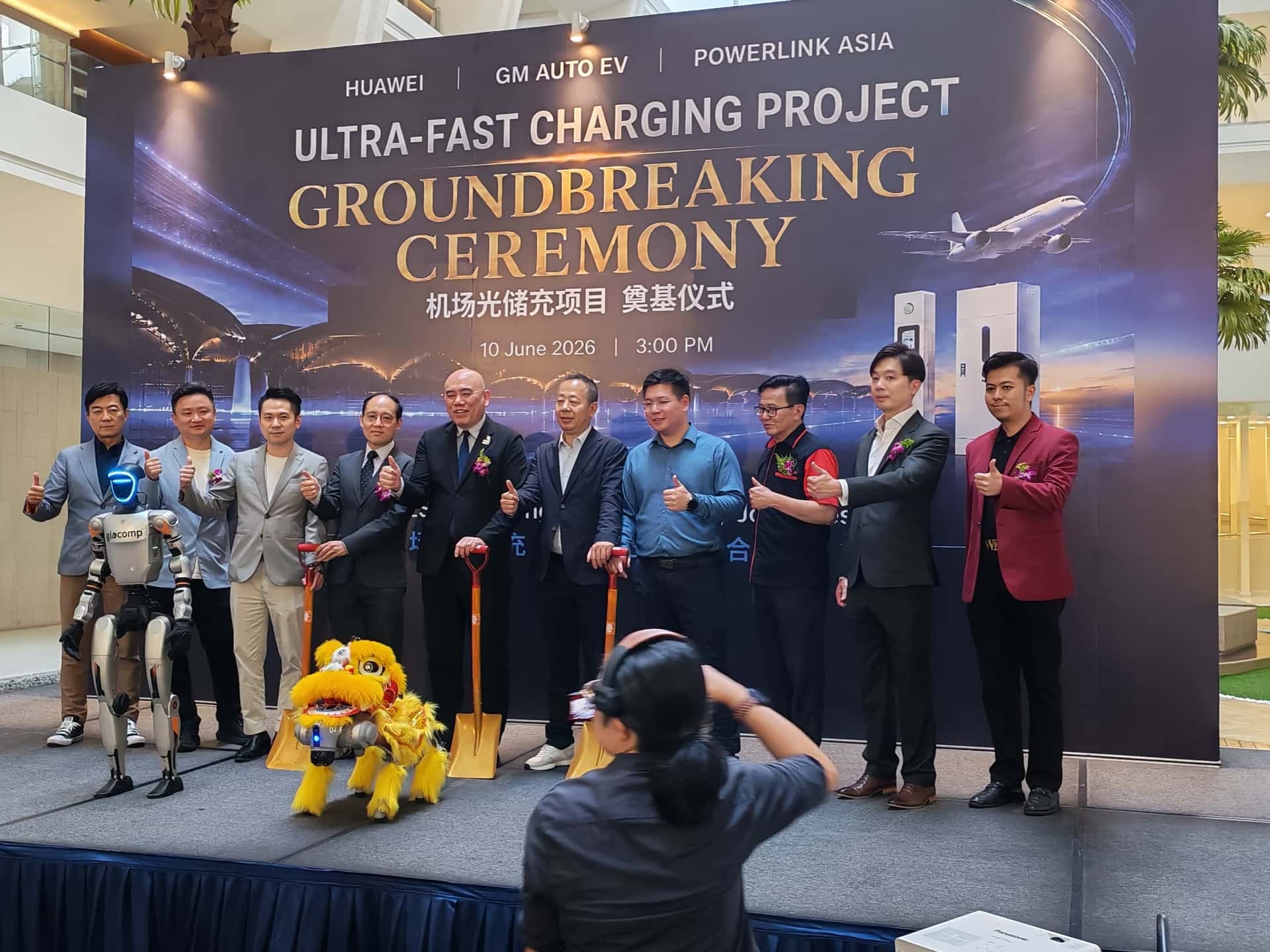
Addressing the gathering, Mr Li Ming, president of the Hong Kong Web 3.0 Standardization Association, highlighted the importance of technological innovation and international cooperation in accelerating sustainable development.
Mr Lam Po Kui, Deputy Director of the Hong Kong Economic and Trade Office in Malaysia, emphasised the growing economic and technological collaboration between Hong Kong and Malaysia.
Lam said the KLIA T2 project demonstrated how cross-border cooperation could transform innovative ideas into practical solutions with long-term benefits.
YB Lau Weng San, Speaker of the Selangor State Legislative Assembly, described the initiative as a forward-looking project that aligns with Malaysia’s sustainability goals and growing EV adoption.
“If this project proves sustainable and successful, it could potentially become a model not only for Malaysia but also for Southeast Asia and other parts of the world,” he said.
As the country moves towards a greener future, the KLIA T2 EV Supercharging Project stands as an important symbol of what can be achieved through innovation, strategic investment and international collaboration.
Point 1 (ooilb57@gmail.com) is a content creator under the Newswav Creator programme, where you get to express yourself, be a citizen journalist, and at the same time monetize your content & reach millions of users on Newswav. Log in to creator.newswav.com and become a Newswav Creator now!
The User Content (as defined on Newswav Terms of Use) above including the views expressed and media (pictures, videos, citations etc) were submitted & posted by the author. Newswav is solely an aggregation platform that hosts the User Content. If you have any questions about the content, copyright or other issues of the work, please contact creator@newswav.com.