Malaysian-flagged vessels were released within a month of the conflict’s start, under an arrangement struck between Malaysia and the countries involved.
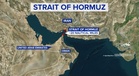
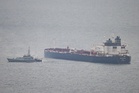
PETALING JAYA: Malaysia has cleared all its vessels from the Strait of Hormuz backlog, even as more than 300 ships worldwide remain stranded waiting for clearance through the critical waterway, the Malaysia Shipowners’ Association (Masa) said.
Masa president Mohamed Safwan Othman said Malaysian-flagged vessels were released within a month of the conflict’s start, under an arrangement struck between Malaysia and the countries involved.
READ MORE: Restoring Strait of Hormuz shipping must be treated with highest urgency
“Based on the information we have now, there are no Malaysian-flagged vessels that are stuck. This is because we have an arrangement between our country and the countries involved, and our vessels have been released since previous weeks,” he told theSun.
“For our vessels, Alhamdulillah, within a month, less than a month from the start of the conflict, our vessels were able to leave.”
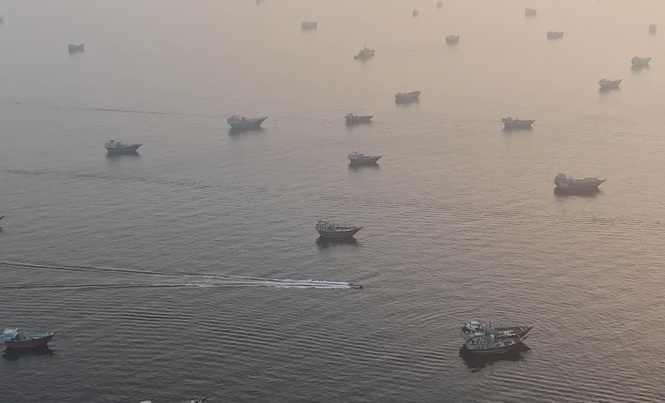
Globally, the picture remains far less clear. Masa’s own figures put more than 300 vessels still waiting for clearance, although some international estimates run as high as 600 – a wide discrepancy.
According to Safwan, that could not be resolved with certainty.
“There are reports saying 600, which is significantly lower than at the start of the war, when the number was 2,000 vessels stranded or waiting for clearance from the countries concerned.
“There are also reports saying it is about 300 now. Which report is correct, we cannot confirm.”
He said some vessels were still waiting outside the Strait of Hormuz for clearance to reenter and move out during permitted periods, while some non-Malaysian vessels had waited since the conflict began three months ago, with most of those affected based in Iran or neighbouring Gulf states.
His comments followed a Bloomberg report on Monday that shipowners were seeking clarity on arrangements to reopen the strait, with more than 600 vessels said to be in the Persian Gulf and preparing to exit, and hundreds more waiting outside to enter.
The uncertainty, the report said, had forced even major players to resort to “dark” transit – switching off tracking systems to avoid being monitored.
Safwan confirmed the term was commonly linked to vessels evading the automatic identification system tracking, particularly in the movement of sanctioned oil from countries such as Iran, Russia and Venezuela.
“Each vessel and each company has its own way of doing it or avoiding the system. That is their decision. As an association, we certainly do not advise such action.”
Despite the clearer outlook for Malaysian shipping, Safwan cautioned against reading too much into the improving numbers.
“We do consider this news to be possibly positive but we know the dynamics of the political landscape and the geopolitics happening in the world today. We are still monitoring the situation.”
He said Masa continued to engage the government on seafarer safety, cargo security, and Malaysia’s energy and food security.
The developments follow Monday’s announcement that the United States and Iran had reached a preliminary agreement to end hostilities and reopen the Strait of Hormuz, with a memorandum expected to be signed on June 19.
Prime Minister Datuk Seri Anwar Ibrahim welcomed the breakthrouh, saying the reopening of the strait to international shipping must be treated with the highest urgency, calling it a critical artery for global energy supplies and trade where prolonged disruption would serve no one.
He also urged all parties to refrain from actions that could derail diplomacy and renew hostilities, reaffirming Malaysia’s readiness to support efforts towards a just and lasting peace.