
Malaysia will no longer proceed with the implementation of the High-Value Goods Tax (HVGT), according to a written response from the Ministry of Finance (MOF) in Parliament. The tax was initially introduced as part of the government’s broader fiscal reform strategy.
High-Value Goods Tax No Longer in Policy Pipeline
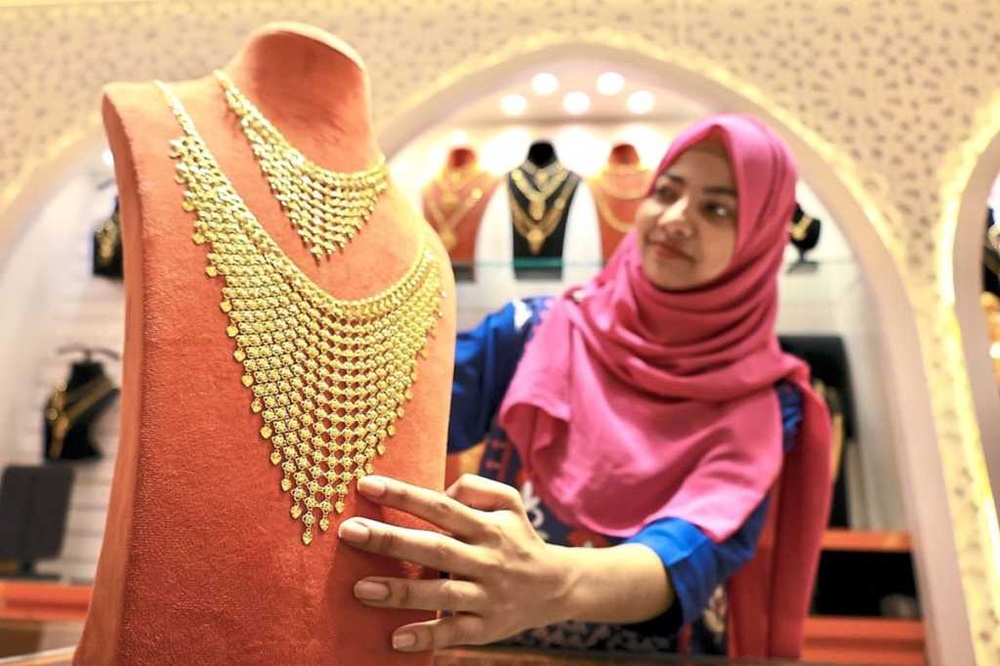
The HVGT, previously known as the luxury goods tax, was first announced in February 2023 under the revised Budget 2023. It was intended to apply a tax rate of between 5% and 10% on high-end, discretionary items such as luxury watches, jewellery, and fashion goods.
Initially targeted for rollout on 1 May 2024, the HVGT faced multiple delays. Industry concerns, particularly from the jewellery sector, highlighted the potential impact of a low-value threshold on local businesses. Following these concerns, the government has decided not to implement the tax.
HVGT Elements Incorporated into Updated Sales Tax Structure
Although the standalone HVGT has been shelved, the MOF clarified that some of its features have been embedded within the revised sales tax system. Under the new structure, selected luxury and discretionary items are now taxed at either 5% or 10%, depending on the category.
This move allows the government to maintain its objective of taxing non-essential goods, while avoiding the administrative complexities and potential disruptions linked to a dedicated luxury tax.
Fiscal Reform Efforts Continue Through Broader Tax Measures
The government has shifted its focus to other components of its fiscal reform programme. In the same parliamentary reply, the MOF confirmed that several new and expanded tax initiatives are expected to substantially increase national revenue.
Among these is the capital gains tax on the disposal of unlisted shares, which came into force on 1 March 2024. This tax is projected to contribute approximately RM800 million annually, based on current transaction volumes.
Expanded SST Expected to Raise RM10 Billion by 2026
The broadened scope of the Sales and Service Tax (SST), effective 1 July 2025, is anticipated to yield an additional RM5 billion in revenue for 2025. This figure is expected to double to RM10 billion by 2026, as the revised framework covers a wider range of taxable services and goods.
The Low-Value Goods Tax (LVGT), which took effect on 1 January 2024, also contributed approximately RM500 million to government coffers in its first year.
Service Tax on Digital Services Continues to Generate Revenue
While there is currently no separate digital goods tax, the MOF highlighted that Malaysia has been taxing digital services since 1 January 2020. This applies to foreign service providers offering digital services to Malaysian consumers. In 2024 alone, the service tax on digital services generated RM1.6 billion in revenue.
The government is expected to continue monitoring and refining its tax policies to balance revenue generation with economic sustainability, as part of its broader fiscal responsibility agenda.
Follow us on our official WhatsApp channel for the latest money tips and updates.
The post Malaysia Drops High-Value Goods Tax Plan, Shifts Focus to Broader Sales Tax Measures appeared first on RinggitPlus.