More than 10,000 Myanmar nationals repatriated through direct talks
KUALA LUMPUR: Malaysia has become the first country to successfully repatriate Myanmar nationals through direct bilateral negotiations with Naypyidaw, Prime Minister Datuk Seri Anwar Ibrahim told the Dewan Rakyat today.
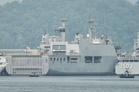
Addressing concerns over safety, human rights and public interest, Anwar said more than 10,000 Myanmar nationals had been repatriated to date, including about 1,400 who were transported aboard a Myanmar naval vessel.
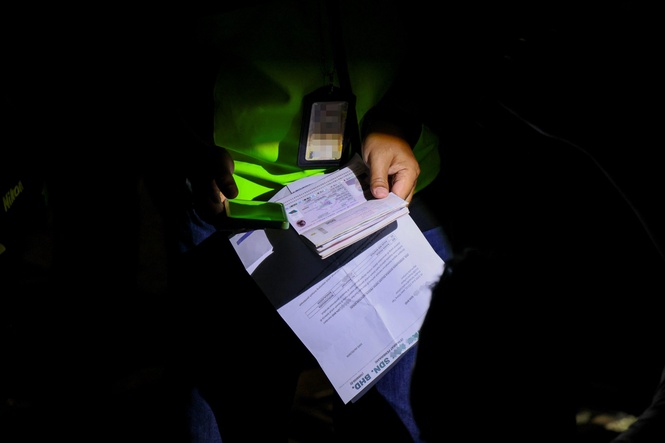
READ MORE: Myanmar nationals undergo rigorous screening before repatriation – KDN
READ MORE: Myanmar refugee issue: Security, people’s interests given priority – Anwar
“Through direct negotiations, we have managed to facilitate their return. The latest figures show that more than 10,000 have been repatriated — some via commercial flights arranged by the Myanmar government, and most recently, 1,400 aboard a naval vessel granted clearance by Malaysia,” he said during Prime Minister’s Question Time.
Anwar was responding to a supplementary question from Suhaizan Kaiat (PH-Pulai) on Putrajaya’s strategy for managing the estimated 200,000 Myanmar nationals currently residing in Malaysia.
The Prime Minister said direct talks had been initiated two years ago following the failure of previous diplomatic mechanisms.
However, he said Putrajaya had set two key conditions before proceeding with the repatriation process: a guarantee that the nationals would be received by their home country and firm assurances that they would be treated humanely and protected from rights violations or abuse.
“With figures reaching nearly 200,000, this remains both a national security matter and a humanitarian issue that must be handled with care and prudence,” Anwar said.
He said the issue would feature prominently in upcoming bilateral discussions during the visit of Myanmar’s president to Malaysia in the coming days, involving both the Foreign Ministry and Home Ministry.
Anwar assured the House that while Malaysia remained committed to the ASEAN framework and international human rights standards, national security interests would also remain a key consideration in resolving the issue.