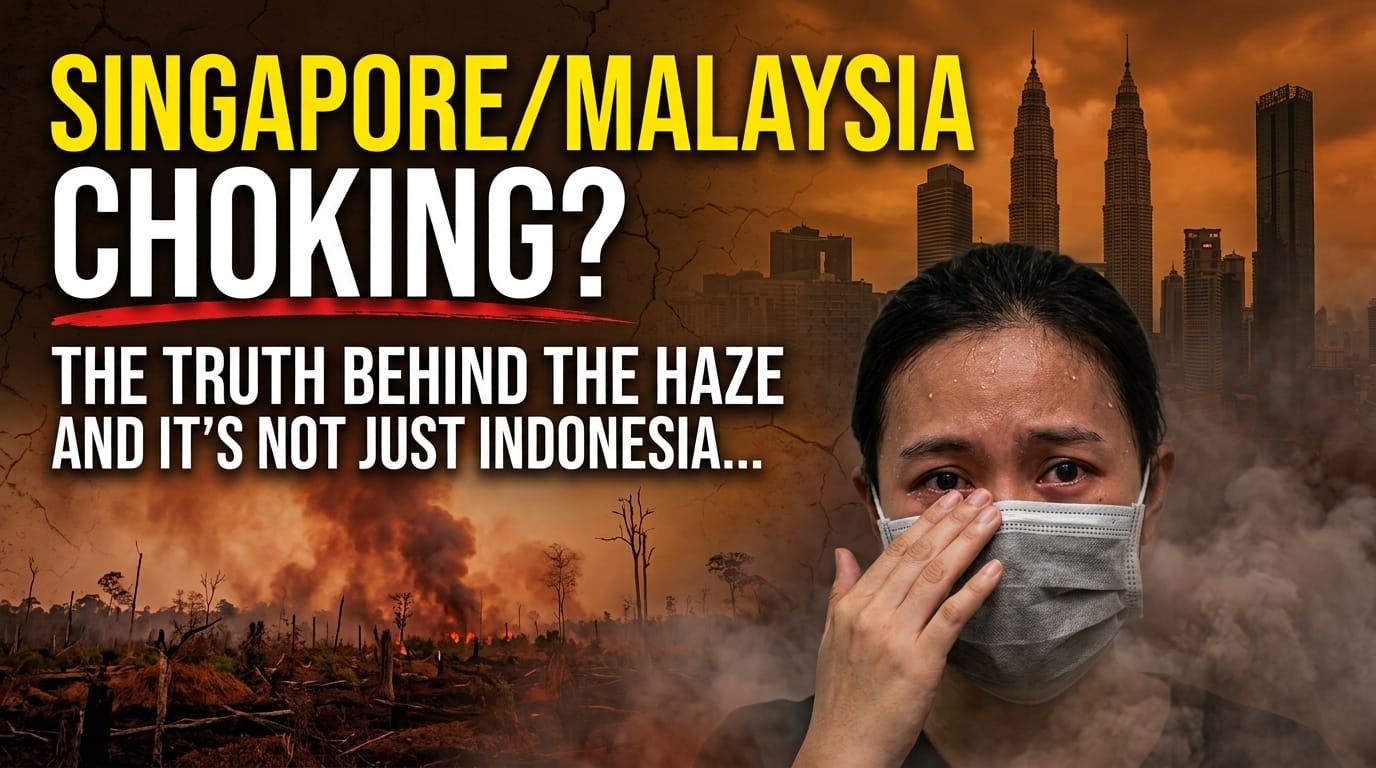
Schools are closing, masks are being distributed across the country, and guidelines on safety measures are being taught to the public. But are we fighting the symptoms of haze instead of addressing its root causes?
Haze is a phenomenon that occurs when fine dust and other particles become suspended in the air, reducing visibility. It is often associated with dry and hot weather. Haze is linked to various health complications, such as asthma and potentially cancer. Sometimes, the resulting foggy conditions can also lead to accidents, such as the tragic collision on October 8 in Johor, which sadly took the lives of three young children amid poor visibility.
The Air Quality Index (AQI) readings for Malaysia on the morning of October 11, 2026, show that many areas have moderate air quality or worse. As shown in the diagram below, cities such as Kota Kinabalu, Miri, and Cheras, among others, have even recorded readings in the unhealthy range.
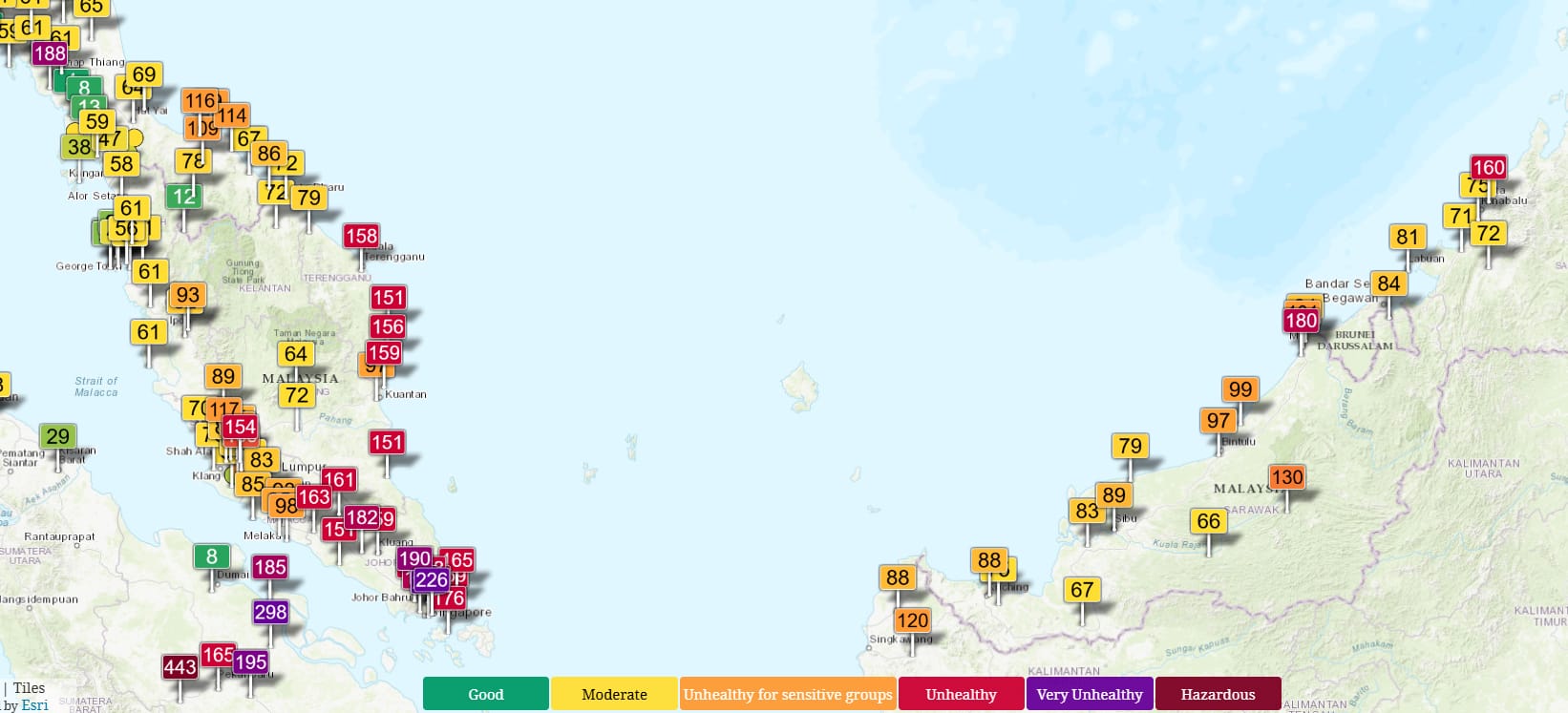
On October 8, the Ministry of Education (MoE) announced that schools with high Air Pollutant Index (API) readings would be closed to ensure the safety and health of students and teachers alike. Haze is already affecting our day-to-day lives, with many people seeking ways to protect themselves from its harmful effects.
According to the Copernicus Atmosphere Monitoring Service (CAMS) Fire Emissions Watch portal, the haze is associated with open-burning hotspots across Borneo, particularly in the southern regions of Kalimantan, as well as parts of Sumatra in Indonesia. These fires can be linked to land-clearing practices, including the illegal slash-and-burn method used to clear land for development. Such fires are often exacerbated by prolonged dry weather, while El Niño conditions can further increase the risk of fires by creating hotter and drier environments. The current El Niño phenomenon is projected to be one of the worst in history, raising further concerns about the severity of the situation.
This is an ongoing threat to public health and the environment, especially considering that Borneo is home to some of the world's oldest rainforests, with a history stretching back an estimated 130–140 million years. The island is also home to at least 15,000 species of flora and hundreds of fauna species, including eight species of hornbills. With Kalimantan accounting for approximately 73% of Borneo's territory, it is no surprise that prolonged fires can have devastating consequences for Indonesia's ecosystems. Beyond the immediate destruction of vegetation, these fires threaten wildlife habitats and contribute to the degradation of some of the world's most biodiverse ecosystems.
So, what's the response?
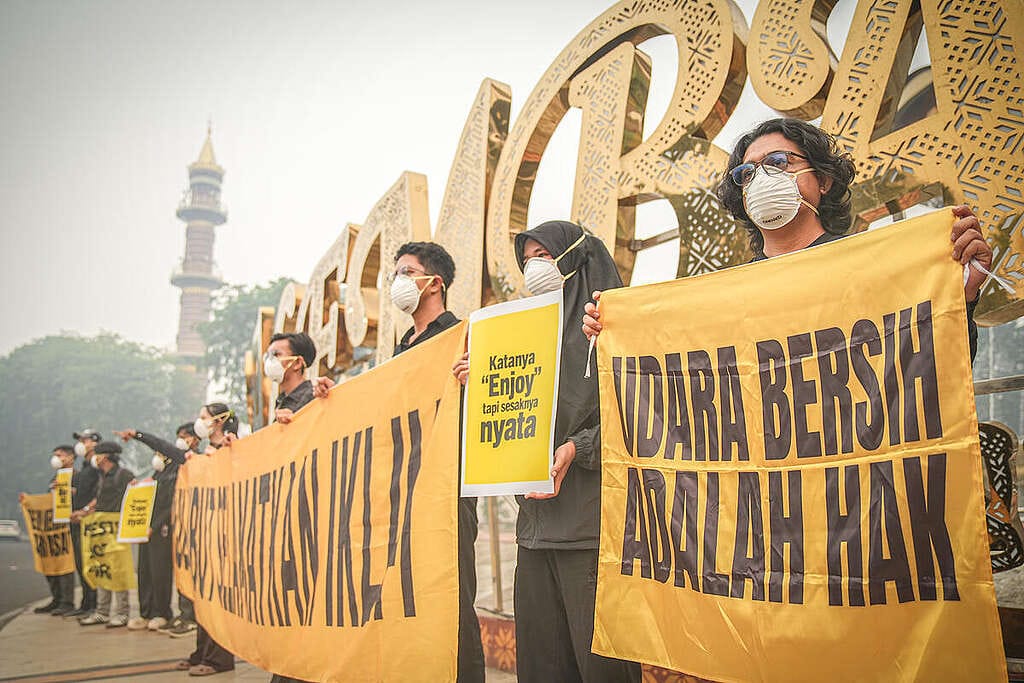
Organisations such as Greenpeace Indonesia and Greenpeace Malaysia have voiced concerns about this issue. Their efforts include calls for greater cooperation in data sharing and the submission of memorandums to Members of Parliament (MPs) to ensure that the issue receives greater attention. Datuk Seri Anwar Ibrahim, Malaysia's 10th Prime Minister, has also said that he personally contacted Indonesian President Prabowo Subianto to address the haze crisis.
Another measure used during haze crises is cloud seeding, which involves introducing substances such as silver iodide into suitable clouds in an attempt to encourage rainfall. Under favourable atmospheric conditions, the resulting rain may help suppress fires and temporarily reduce airborne particles. However, cloud seeding depends on the availability of suitable clouds and cannot guarantee rainfall. While it may provide temporary relief, it does not eliminate the underlying sources of haze.
This raises an important question: are we doing enough to prevent the haze from returning?
While school closures, masks, and public health advisories are necessary to protect people during a haze crisis, they are largely reactive measures. They help us cope with the consequences of haze, but they do little to prevent the next outbreak of fires. If illegal land clearing continues unchecked, Malaysia and Indonesia may find themselves facing the same crisis again and again.
A more lasting solution requires stronger enforcement against illegal open burning, better monitoring of fire hotspots, and greater accountability for the companies and individuals responsible. Governments must ensure that environmental regulations are enforced consistently, rather than relying solely on emergency measures once the damage has already begun. Companies involved in land development should also be held accountable when investigations establish that they are responsible for fires on land under their control.
Furthermore, haze is a cross-border issue that cannot be solved by one country alone. Malaysia and Indonesia must strengthen cooperation through information sharing, coordinated fire prevention efforts, and transparent investigations into the origins of major fires. Regional cooperation is particularly important because smoke does not respect national borders. What begins as a fire in one region can quickly become a public health problem for communities hundreds of kilometres away.
Ultimately, we must recognise that haze is not merely a seasonal inconvenience. It is a warning of the environmental consequences of unsustainable land-clearing practices, inadequate enforcement, and our continued struggle to balance economic development with environmental protection. Preventing future haze crises requires us to reconsider not only how we respond to fires, but also the practices and incentives that allow them to occur in the first place.
We can distribute masks, close schools, and even attempt to bring rain from the clouds. But unless we confront the practices that allow these fires to occur in the first place, we will continue to treat the symptoms while leaving the cause untouched.
The question is no longer simply how we can survive the haze, but what we are willing to do to stop it from returning.
Jaden W (wmjaden3@gmail.com) is a content creator under the Newswav Creator programme, where you get to express yourself, be a citizen journalist, and at the same time monetize your content & reach millions of users on Newswav. Log in to creator.newswav.com and become a Newswav Creator now!
The User Content (as defined on Newswav Terms of Use) above including the views expressed and media (pictures, videos, citations etc) were submitted & posted by the author. Newswav is solely an aggregation platform that hosts the User Content. If you have any questions about the content, copyright or other issues of the work, please contact creator@newswav.com.